15 Signals Behind ‘Most-Played Song Ever’ Claims
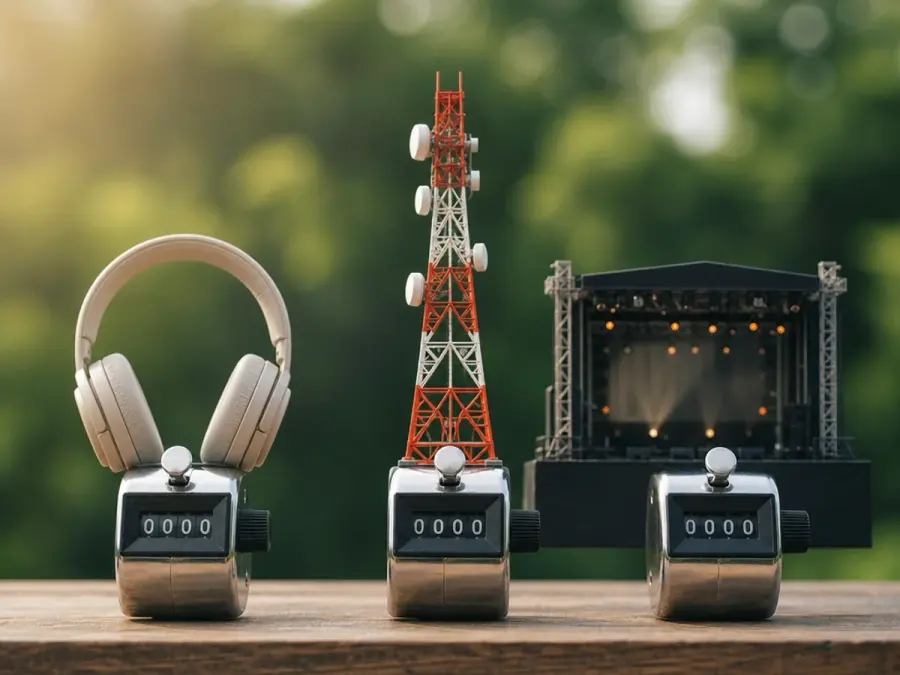
Define what counts as a play — Define what counts as a play
A claim is meaningful only after its event is defined. Spotify counts qualifying streams on its service; a radio-monitoring company records broadcasts from monitored stations; a performing-rights organization may count licensed public performances.
Those units cannot be added as though they were identical listens.
Name the platform — Name the platform
‘Most streamed’ usually means most streamed on a named service, not across the entire internet. Catalogs, launch dates, territories, subscription rules, and fraud controls differ by platform.
A defensible headline identifies the service and retrieval date rather than turning one platform’s leaderboard into an all-time human listening record.
Freeze the date — Freeze the date
Streaming totals keep growing, so a leader observed today may not lead later. A proper comparison says ‘as observed on’ a specific date, stores the underlying figure, and applies the same cutoff to every candidate.
‘Of all time’ without a timestamp disguises a moving snapshot as a permanent fact.
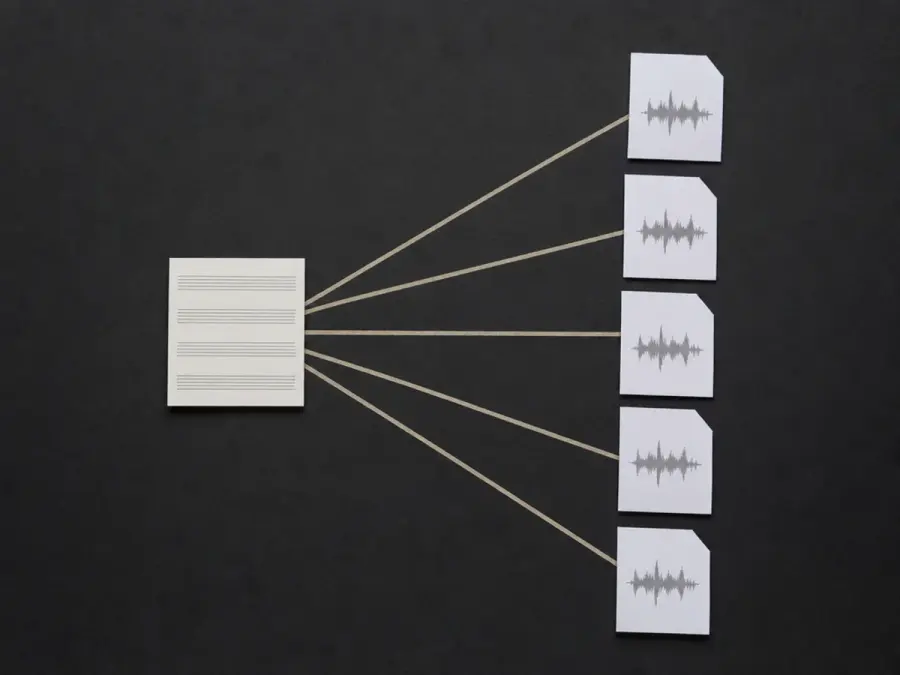
Separate recordings from compositions — Separate recordings from compositions
One composition can have many recordings, remasters, edits, live versions, and language adaptations.
A platform record may refer to one recording identifier, while a publishing claim may aggregate performances of the underlying composition. A comparison must state whether versions are combined and how identifiers were matched.

Distinguish listener choice from exposure — Distinguish listener choice from exposure
On-demand plays reflect a listener selecting or accepting a stream within a platform experience. Broadcast airplay reflects programming decisions and potential audience exposure.
Each answers a useful question, but neither automatically measures unique people, attention, completion, or affection for the song.
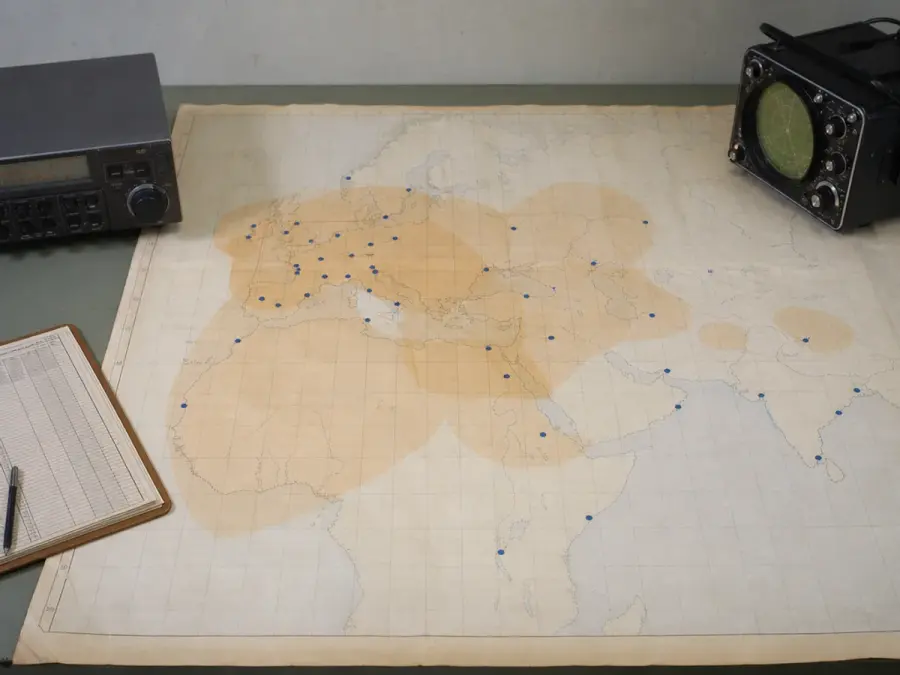
Treat radio records as monitored samples — Treat radio records as monitored samples
Airplay histories depend on which stations, formats, countries, and periods were monitored.
BMI’s historical ‘songs of the century’ work and later catalog-performance announcements document important broadcast evidence, but their scope is not every radio station that ever operated. The methodology belongs beside the headline.
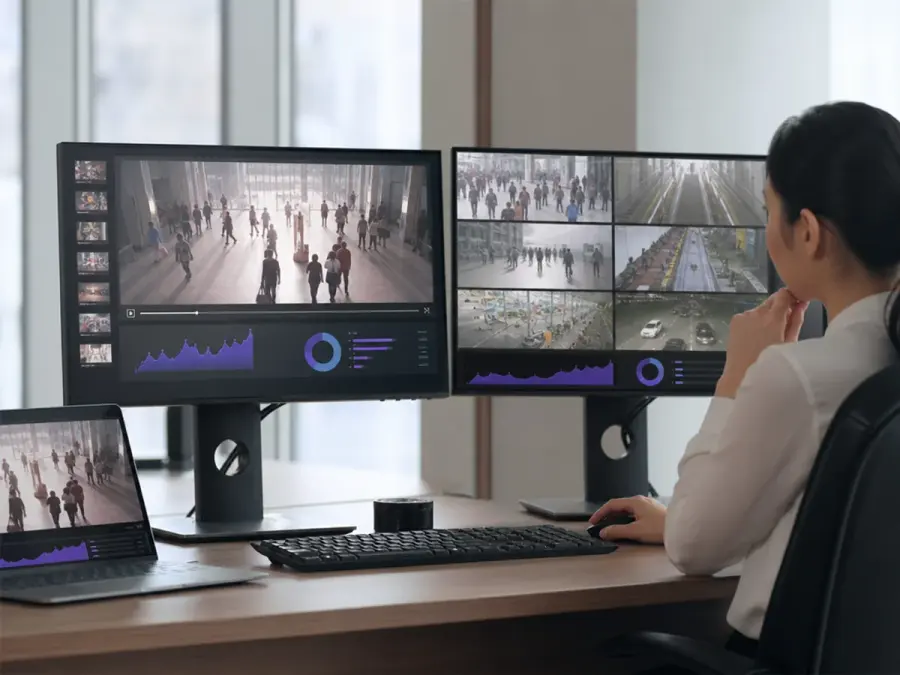
Keep video views in their own column — Keep video views in their own column
A music video view includes a visual experience on a particular service and may include repeat viewing.
Official videos, lyric videos, live clips, user uploads, regional channels, and short-form excerpts can fragment attention. Report the exact channel or aggregation rule instead of silently merging unlike counters.
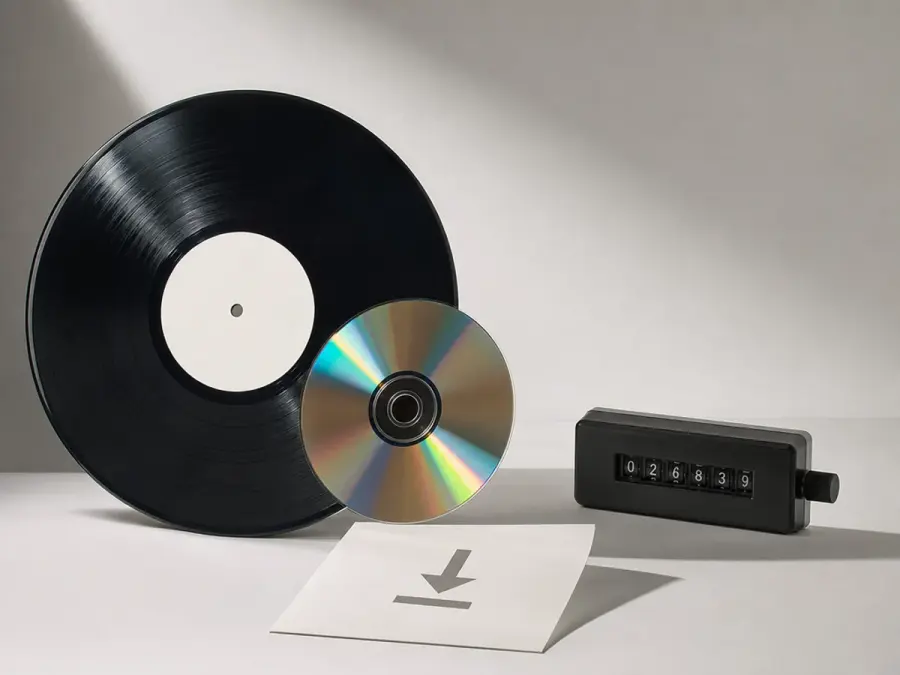
Do not turn sales into plays — Do not turn sales into plays
Physical singles and paid downloads measure transactions, not listening events. A purchased recording can be played once, hundreds of times, or never.
Sales records remain valuable evidence of commercial reach, especially before streaming, but converting them into play totals requires unsupported assumptions.

Use equivalent chart units cautiously — Use equivalent chart units cautiously
Modern certifications and charts may combine paid sales and streams using published conversion rules.
Those formulas make activity comparable inside a specific system; they do not prove that one sale literally equals a fixed number of human listens. Cite the rule version and never back-project it casually into earlier eras.
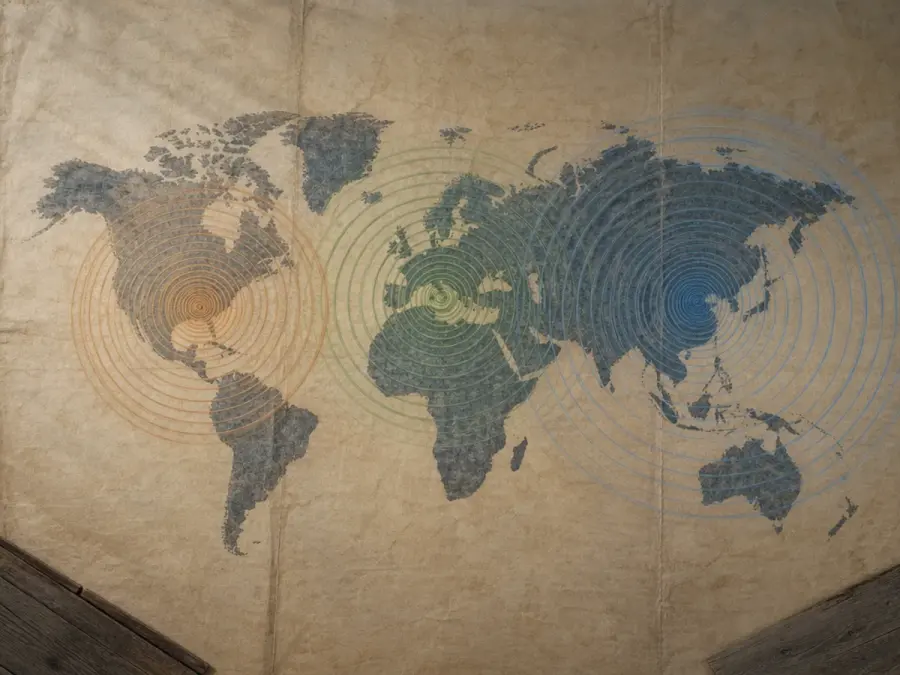
Account for changing global coverage — Account for changing global coverage
A recording released when distribution was largely national cannot be compared cleanly with a track launched simultaneously in many streaming markets.
Population, internet access, platform availability, pricing, and reporting infrastructure all change the opportunity to accumulate plays. Cross-era comparison needs context, not one raw number.

Consider release-age advantage — Consider release-age advantage
Older songs have had more years to receive broadcasts and performances, while streaming-era songs can accumulate events at unprecedented daily scale.
A lifetime total favors longevity; an annual or per-day rate favors velocity. Neither is inherently the ‘right’ answer, so the chosen time basis must be explicit.
Count repeat listeners honestly — Count repeat listeners honestly
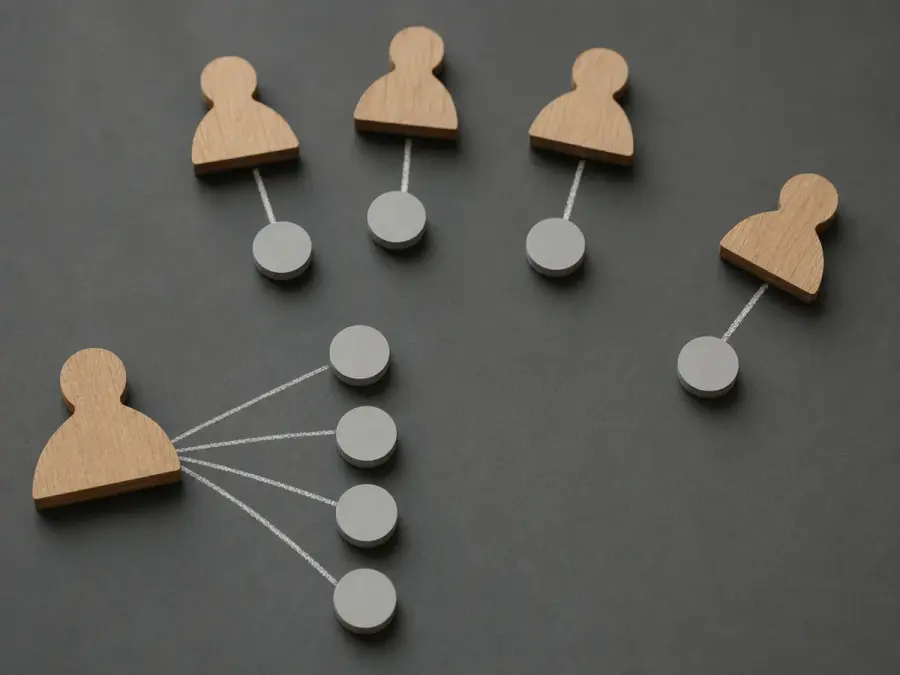
Most public counters report events, not distinct listeners. One person can generate many qualifying plays, while household and shared-device behavior complicates audience estimates.
A play record therefore should not be restated as ‘the song heard by the most people’ unless unique-reach evidence actually supports that claim.

Document anti-manipulation rules — Document anti-manipulation rules
Platforms and chart organizations filter artificial activity, but public counters and royalty-eligible counts may not be identical.
Buying plays or coordinating non-genuine listening can violate service rules. Evidence-based comparisons should use the platform’s recognized metric and disclose later corrections when known.

Preserve the source and retrieval method — Preserve the source and retrieval method
A screenshot alone can lose date, territory, account view, and definition. Strong evidence records the official URL, retrieval time, metric label, visible value, and any downloadable table or methodology note.
If a result cannot be reproduced, describe it as an observation rather than an eternal record.
Publish several leaders, not one false champion — Publish several leaders, not one false champion
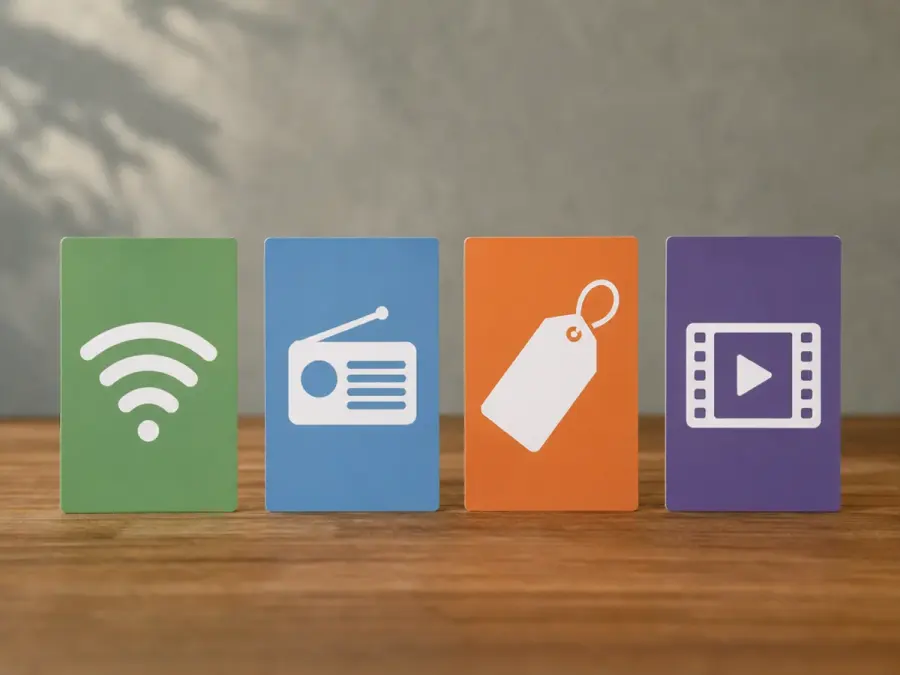
The honest conclusion may be a set of category leaders: one for a named streaming service at a date, another for monitored radio performance, another for certified sales, and another for video views.
Keeping the categories separate preserves useful evidence without pretending the missing universal counter exists.
Featured galleries







































































































































































































































































































































































































































































