15 SpongeBob Comedy Setups and Why They Work
A Tiny Job Treated Like an Epic Quest — A Tiny Job Treated Like an Epic Quest
The series often turns an ordinary restaurant task into a mission of enormous emotional importance.
The scale mismatch creates the joke: spotless tools, perfect timing, and workplace pride receive heroic intensity. Viewers can recognize the feeling without needing a specific screenshot or quoted line.

Boating School Confidence Meets Reality — Boating School Confidence Meets Reality
Driving lessons create a durable comic engine because confidence, nerves, rules, and physical control rarely line up. A routine test can escalate through anticipation alone.
The humor lands even before anything crashes because the audience knows that calm instructions and frantic reactions are headed toward conflict.
An Invention Solves the Wrong Problem — An Invention Solves the Wrong Problem
Homemade gadgets in Bikini Bottom frequently work just well enough to reveal that nobody needed them. The setup combines visual mechanics with misplaced confidence.
A pile of tubes and levers becomes funny because the complicated solution remains less useful than the humble task it was meant to simplify.
The Workplace Rule Taken Literally — The Workplace Rule Taken Literally
Rules make rich comedy when a conscientious worker follows the wording beyond common sense. The character logic stays consistent while the situation becomes absurd.
That structure lets a small instruction snowball naturally, which is often funnier than a random gag because every new problem grows from the original rule.
Two Friends Share One Bad Assumption — Two Friends Share One Bad Assumption
Friendship comedy thrives when enthusiasm becomes a feedback loop. One character proposes a shaky idea; the other treats it as brilliant; both charge ahead.
The warmth matters because the audience is laughing at shared momentum, not cruelty, and the eventual mess rarely erases their underlying loyalty.
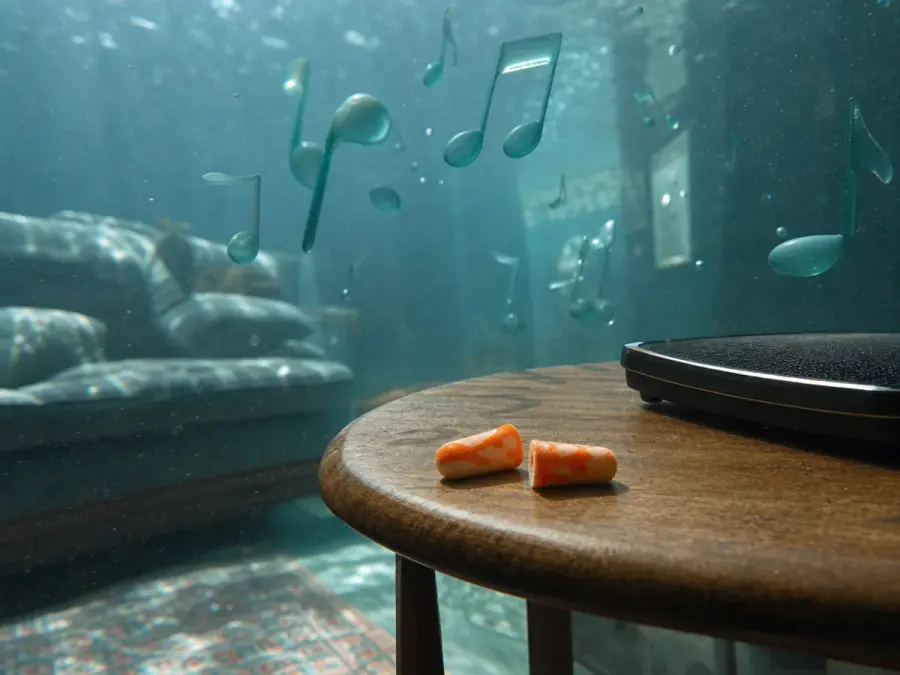
The Straight Man Cannot Escape the Noise — The Straight Man Cannot Escape the Noise
A reserved neighbor surrounded by relentless cheer is a classic contrast. Repetition builds the rhythm: each attempt at quiet produces another interruption, while irritation becomes increasingly elaborate.
The joke works best when both needs are legible—the desire to connect and the equally reasonable desire for peace.

A Rivalry Nobody Else Recognizes — A Rivalry Nobody Else Recognizes
One-sided competition creates comedy because the self-appointed rival treats every encounter like a historic showdown. The supposed opponent may simply continue with the day.
That imbalance supports escalating schemes, grand presentations, and a final reveal that the contest existed mostly in one participant's imagination.
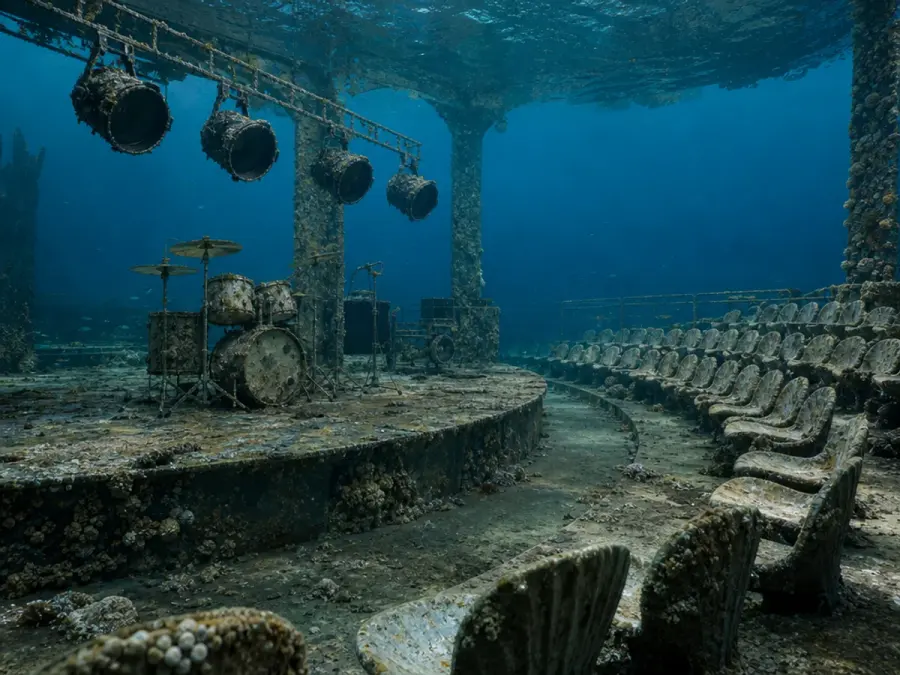
The Performance Becomes Bigger Than the Venue — The Performance Becomes Bigger Than the Venue
Music and stage stories make room for sincere effort, impossible production values, and chaotic rehearsal. The comedy grows through contrast between a modest local event and arena-sized ambition.
When the eventual performance succeeds, the release feels earned because viewers have watched every awkward step.

A Simple Hobby Gets Competitive — A Simple Hobby Gets Competitive
Jellyfishing, bubble-making, and other playful activities become comic when unofficial rules and bragging rights appear.
The premise remains accessible because everyone recognizes a low-stakes pastime becoming too serious. Undersea physics then supplies visual surprises that ordinary neighborhood games cannot.
The Customer Request Spirals — The Customer Request Spirals
Service work becomes comedy when a straightforward order accumulates conditions, corrections, and misunderstandings.
Each added detail is plausible on its own, yet the complete request becomes impossible. The structure stays relatable to anyone who has worked a counter or tried to communicate while a line grows.

A Scary Story Meets an Everyday Object — A Scary Story Meets an Everyday Object
The show often builds suspense with shadows, rumors, and frightened reactions, then lets an ordinary explanation puncture the fear.
The reveal does not merely cancel the setup; it reframes every earlier clue. That makes the audience enjoy both the spooky atmosphere and the harmless mechanical cause.
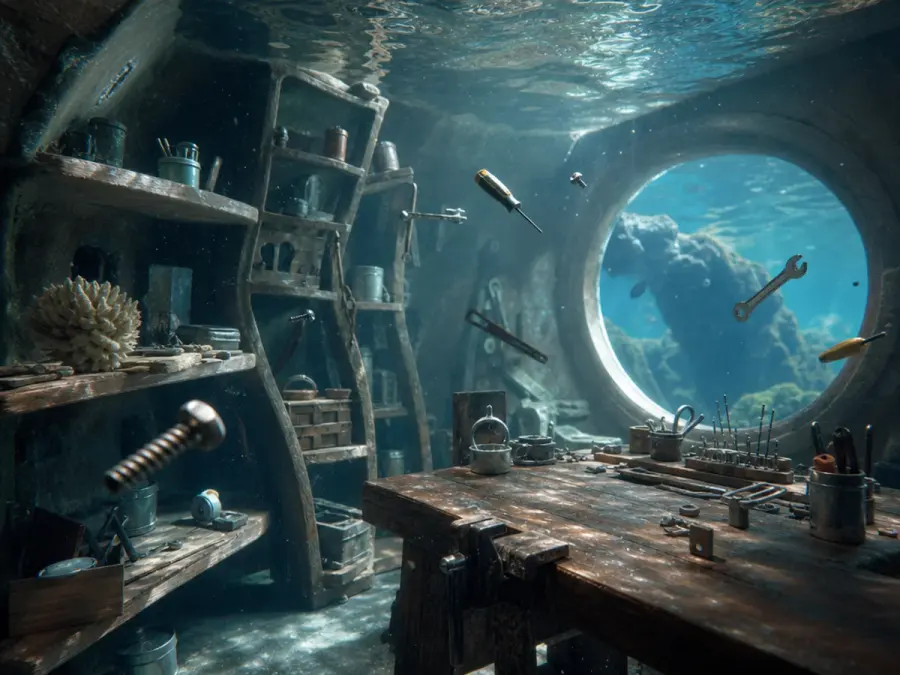
Home Improvement Refuses to Stay Small — Home Improvement Refuses to Stay Small
A loose board or minor decoration can launch a chain of repairs because each fix exposes another problem.
Underwater cartoon logic lets architecture stretch, buckle, or rearrange itself while characters remain committed to the original plan. The stubborn commitment makes the destruction feel inevitable rather than arbitrary.

A Fancy Identity Cannot Survive Details — A Fancy Identity Cannot Survive Details
Disguises and invented personas create comic tension because confidence arrives before preparation. One unexpected question exposes a contradiction, which requires a second lie and then a third.
The performer may fool others briefly, but everyday details eventually overwhelm the grand self-description.

The Countdown Is to Something Tiny — The Countdown Is to Something Tiny
Urgent timers, frantic preparation, and dramatic reaction shots promise a huge consequence. Revealing that the deadline concerns a snack, nap, or other minor event converts suspense into comedy.
The technique works because the characters' commitment remains completely sincere even when the audience sees the mismatch.
Chaos Resets, but the Friendship Remains — Chaos Resets, but the Friendship Remains
Many stories end after a room, plan, or public event has fallen apart, yet the central relationships survive.
That reset gives the comedy generosity: failure is temporary, enthusiasm returns, and nobody needs a perfect victory. The emotional baseline makes the next absurd adventure easy to welcome.
Featured galleries







































































































































































































































































































































































































































































