Story Games for PC
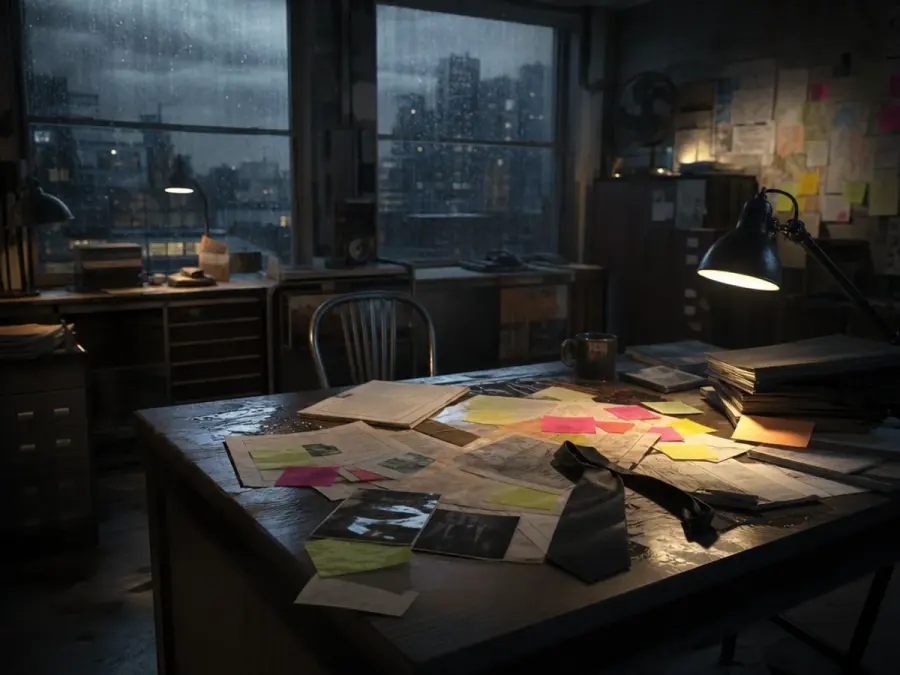
Disco Elysium — Dialogue as the Main Arena — Disco Elysium — Dialogue as the Main Arena
This detective role-playing game turns conversation, self-doubt, and competing instincts into the equivalent of combat encounters.
Its most memorable choices are often about what kind of person the investigator is becoming, not which reward has the best statistics. Choose it when dense reading and morally untidy decisions sound energizing rather than slow.

Pentiment — History Built From Viewpoints — Pentiment — History Built From Viewpoints
Pentiment frames investigation through a community whose memories, loyalties, and material circumstances keep changing. The manuscript-inspired presentation is not decoration; it makes writing, class, and recorded history feel physically present.
It suits players who enjoy following social threads and accepting that a choice can remain uncertain even after its consequences arrive.
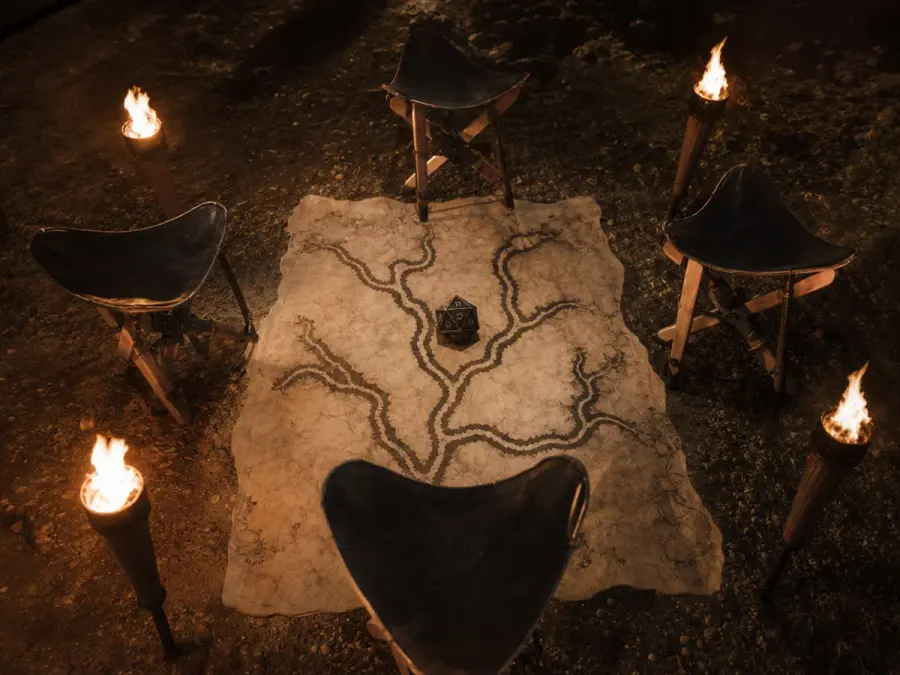
Baldur's Gate 3 — Character Drama at Epic Scale — Baldur's Gate 3 — Character Drama at Epic Scale
The attraction is not merely the number of branches; it is how companions react to decisions, remember treatment, and complicate the adventure with their own priorities.
Tactical battles give the story friction, while exploration rewards curiosity with alternate routes. It is the strongest fit here for a long campaign shared between systemic play and ensemble drama.
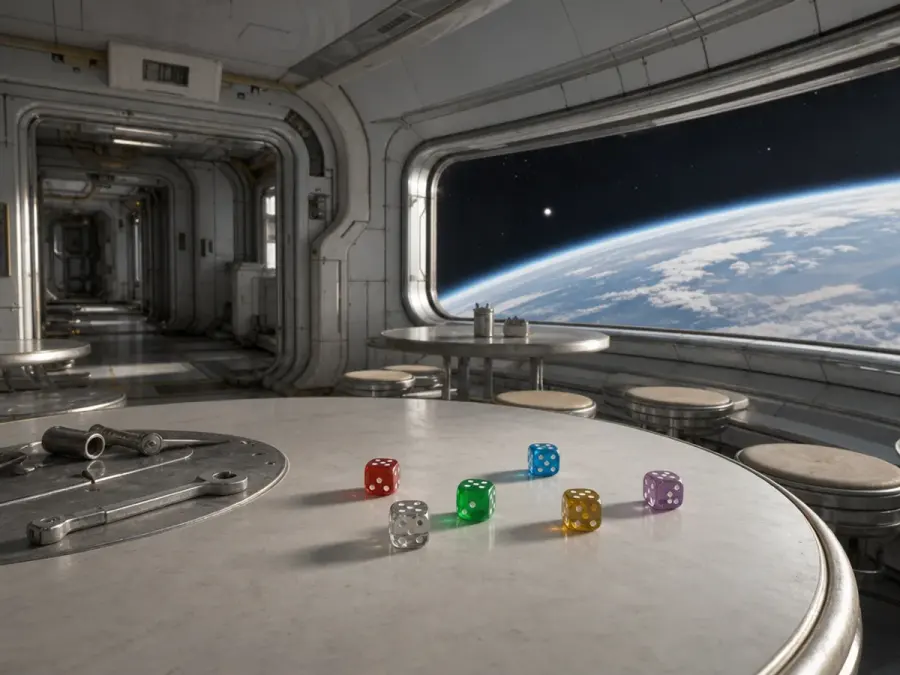
Citizen Sleeper — A Life Measured in Choices — Citizen Sleeper — A Life Measured in Choices
Citizen Sleeper uses a daily pool of dice to turn limited energy into story pressure. Work, friendship, survival, and escape compete for the same finite attention, so narrative decisions feel grounded in routine rather than detached dialogue menus.
Its compact science-fiction setting works especially well for readers who like community stories more than power fantasies.

What Remains of Edith Finch — A House of Short Forms — What Remains of Edith Finch — A House of Short Forms
Each room introduces a different interactive language for remembering one family member, so the house becomes both archive and anthology.
The shifts in control are purposeful and brief, keeping mechanical surprise tied to perspective. This is an excellent evening-length choice for players who value inventive storytelling and can handle themes of grief and death.

Firewatch — Conversation Across Distance — Firewatch — Conversation Across Distance
Firewatch builds intimacy through radio calls made while the player navigates an isolated wilderness. The landscape creates breathing room, but it also keeps the two central voices physically apart, making tone and timing unusually important.
Pick it for a focused, adult character story where walking, looking, and talking carry more weight than inventory management.
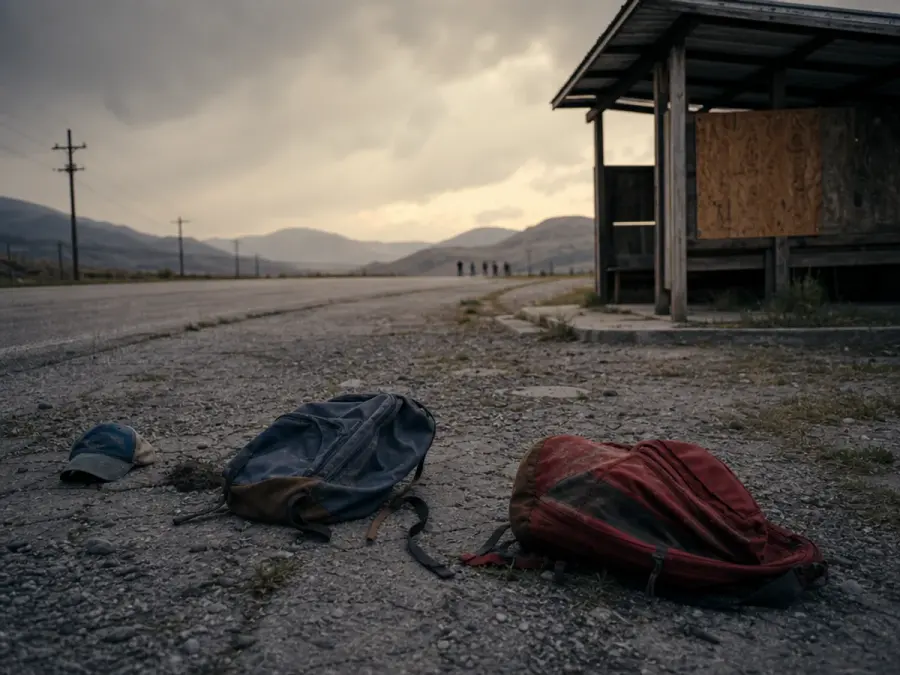
The Walking Dead: The Telltale Definitive Series — Bonds Under Pressure — The Walking Dead: The Telltale Definitive Series — Bonds Under Pressure
This episodic adventure keeps returning to a simple narrative test: what responsibility does one person accept for another when every option is constrained?
Conversation choices and quick decisions shape tone and relationships even when the larger world resists control. The collected edition suits players ready for sustained tension, loss, and protective attachment.

Oxenfree — Naturalistic Talk With Supernatural Static — Oxenfree — Naturalistic Talk With Supernatural Static
Oxenfree lets dialogue continue while characters walk, interrupt, hesitate, and explore, which gives group chemistry a lived-in rhythm.
Radio tuning turns the supernatural mystery into an action the player performs rather than a cutscene watched from a distance. It is well suited to a short weekend playthrough and rewards a second look without requiring one.

Night in the Woods — Coming Home Without Going Back — Night in the Woods — Coming Home Without Going Back
Beneath its stylized surface, Night in the Woods is observant about stalled towns, frayed friendships, work, and the awkwardness of returning home changed.
Exploration matters because choosing whom to spend time with determines which relationships gain depth. It works best for players comfortable with melancholy, jokes, and a story that values hanging out.

The Stanley Parable: Ultra Deluxe — Narration Fights Back — The Stanley Parable: Ultra Deluxe — Narration Fights Back
The joke begins with whether a player will follow instructions, then keeps folding that question into new forms. Office corridors become a stage for authorship, repetition, and the urge to search for an option the narrator did not anticipate.
Choose it when playful meta-fiction sounds appealing and when deliberately replaying small sections feels like discovery.

To the Moon — Memory as a Playable Journey — To the Moon — Memory as a Playable Journey
To the Moon uses a modest adventure framework to move backward through one person's memories. Small objects gain meaning as context changes, and the emotional design depends more on sequence than challenge.
Its pixel presentation and direct sentiment are part of the form. It is a concise choice for players willing to meet earnest melodrama halfway.

NORCO — Industrial Landscape as Family History — NORCO — Industrial Landscape as Family History
NORCO turns a near-future Louisiana setting into an intimate story about family, extraction, faith, and disappearance. The point-and-click structure encourages attention to place and language rather than speed.
Its collage-like mood can be abrasive and beautiful at once, making it a strong fit for players who want regional specificity instead of generic dystopia.
Road 96 — A Road Story Reassembled Each Run — Road 96 — A Road Story Reassembled Each Run
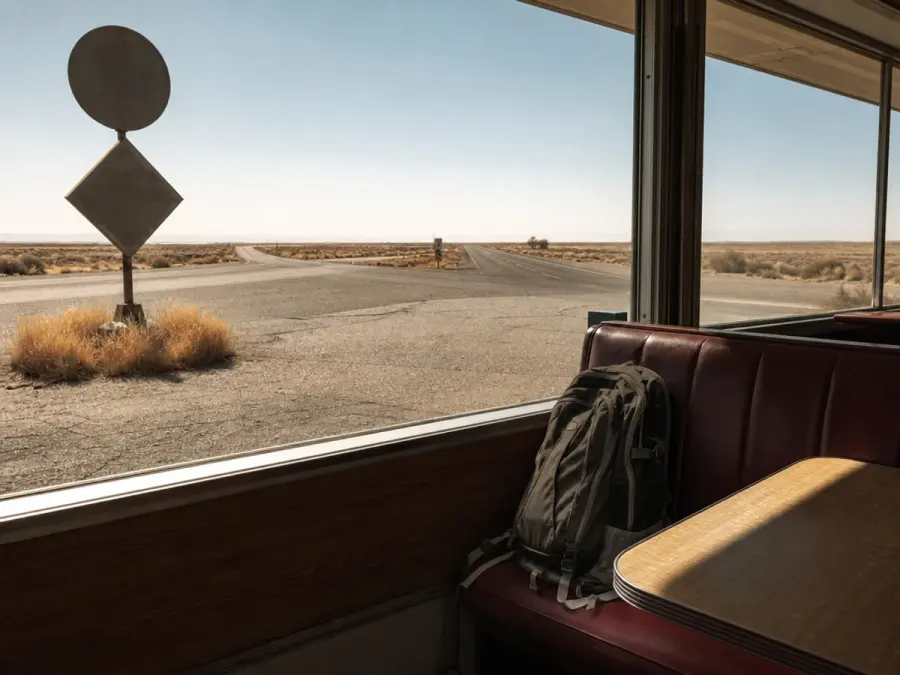
Road 96 uses recurring travelers, roadside locations, and shuffled events to make each border-bound trip feel like one piece of a larger political moment.
The procedural structure sometimes favors momentum over subtle continuity, but it creates useful perspective shifts. Choose it for short sessions that accumulate into an ensemble picture rather than one fixed protagonist arc.
Mass Effect Legendary Edition — Choices Across a Trilogy — Mass Effect Legendary Edition — Choices Across a Trilogy
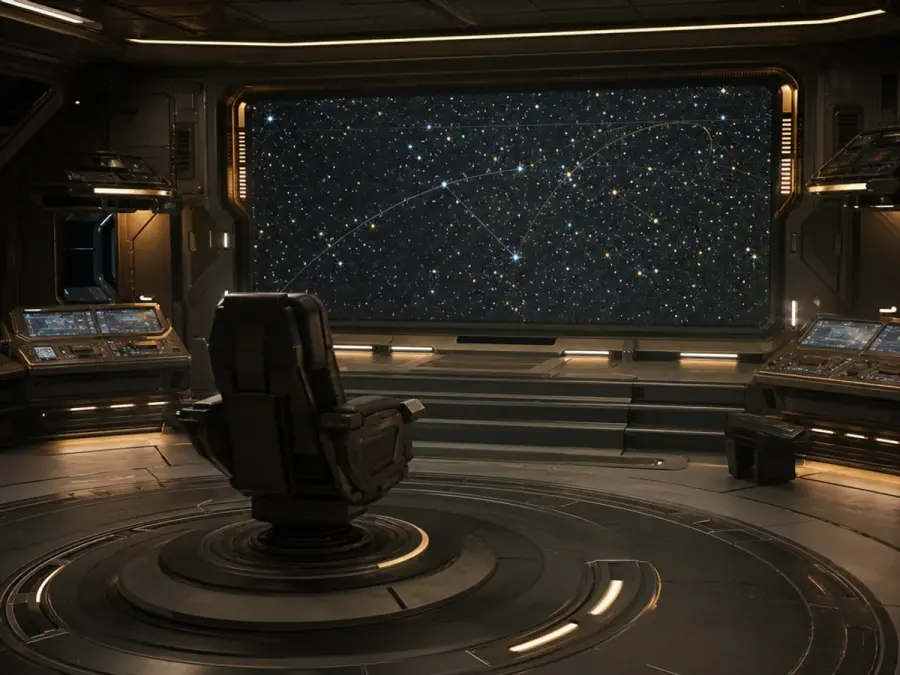
The trilogy's narrative power comes from continuity: crew relationships, political decisions, and small acts can echo across three large games.
Action combat is substantial, yet the lasting identity of a playthrough is usually the command style and alliances the player shaped. It is the commitment pick here, rewarding attachment built over many hours.
Red Dead Redemption 2 — Character in the Details — Red Dead Redemption 2 — Character in the Details
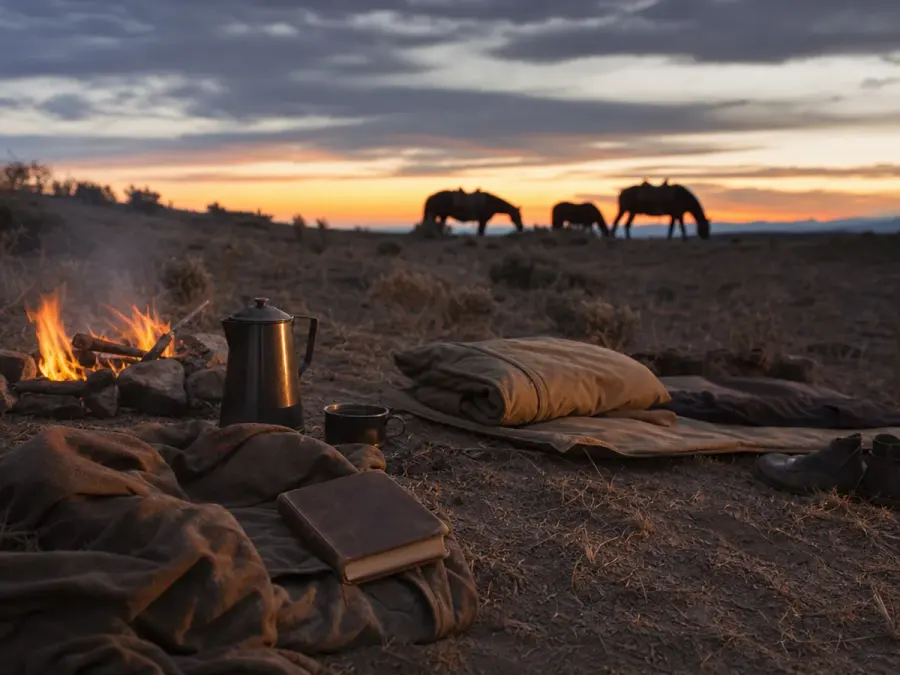
This western is vast, but its story lands through camp conversations, changing routines, and the contrast between a gang's mythology and its daily strain.
Slow travel lets the player notice those shifts, though that same deliberate pace will not suit everyone. Choose it for a long-form character tragedy embedded in an unusually reactive world.
Featured galleries







































































































































































































































































































































































































































































