15 Super Nintendo Games That Still Define 16-Bit Design
Designing With Visible Limits — Designing With Visible Limits
Super Nintendo games often make their constraints feel purposeful.
Color, animation, sound, and carefully staged levels do more than decorate the action; they teach the player how each world works and where attention belongs.

Super Mario World — Movement With Momentum — Super Mario World — Movement With Momentum
Broad arcs, responsive running, hidden exits, and layered routes make each stage feel like a compact playground.
The map encourages curiosity while the controls keep even repeated levels lively and expressive.
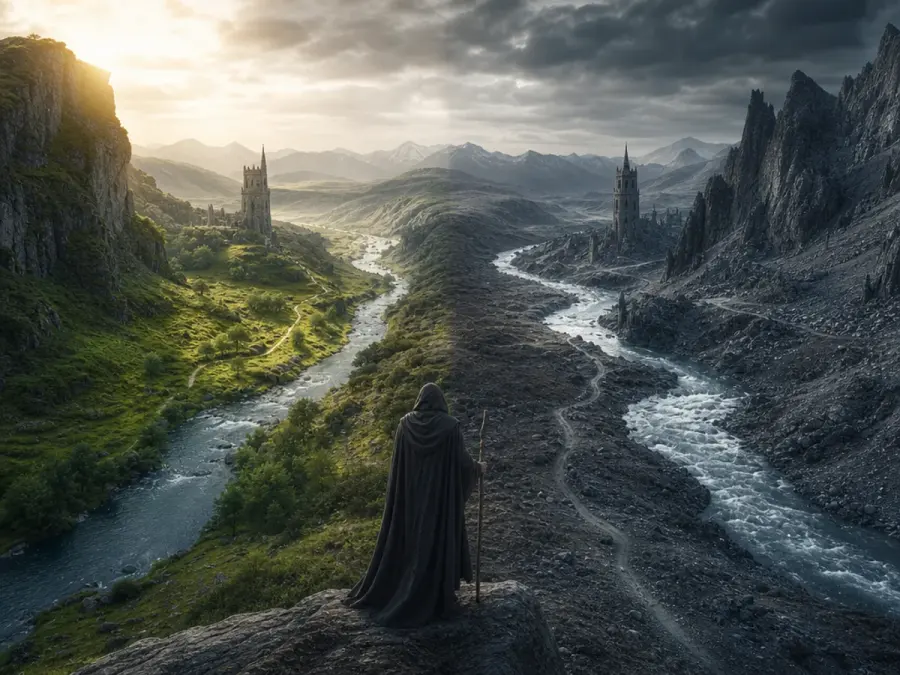
A Link to the Past — A World in Two Forms — A Link to the Past — A World in Two Forms
A familiar landscape changes meaning when a second version alters routes, hazards, and access.
That structural echo turns navigation into memory work and lets one map support a surprisingly rich adventure.
Super Metroid — Trusting the Player to Notice — Super Metroid — Trusting the Player to Notice
Rooms communicate through shape, color, sound, and suspicious gaps.
New abilities reframe places already visited, so exploration becomes a conversation between memory and possibility rather than a sequence of explicit instructions.
Chrono Trigger — Role-Playing With Forward Motion — Chrono Trigger — Role-Playing With Forward Motion
Visible encounters, brisk transitions, and connected time periods keep the adventure moving.
Its party combinations and concise scenes show how a role-playing game can feel expansive without making every idea overstay.
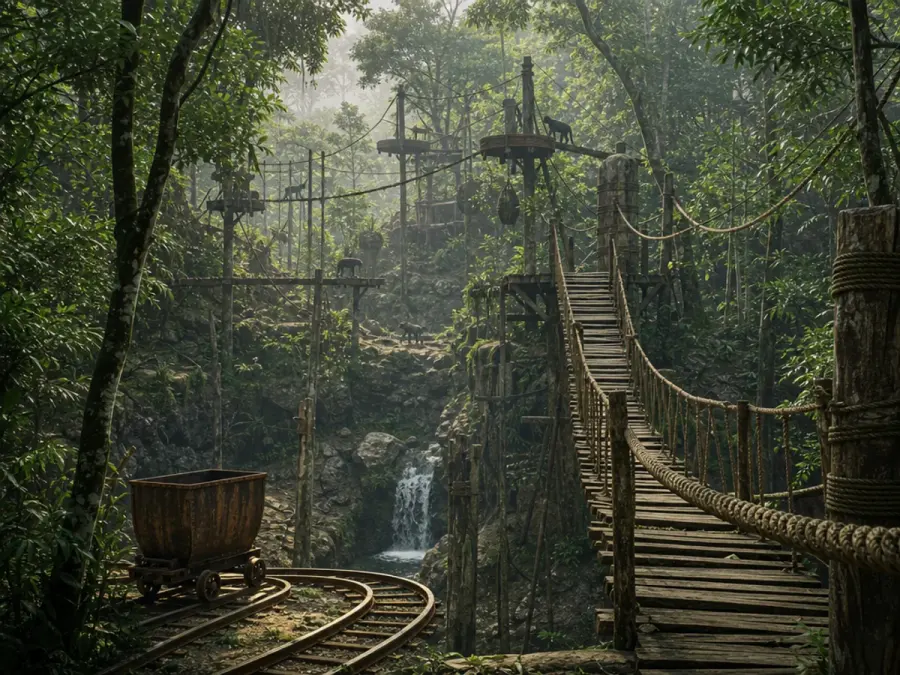
Donkey Kong Country — Texture as Spectacle — Donkey Kong Country — Texture as Spectacle
Layered backgrounds and strongly animated environments gave familiar platforming a new visual weight.
The game pairs that spectacle with readable hazards, rhythmic routes, and secrets tucked just beyond the obvious line.
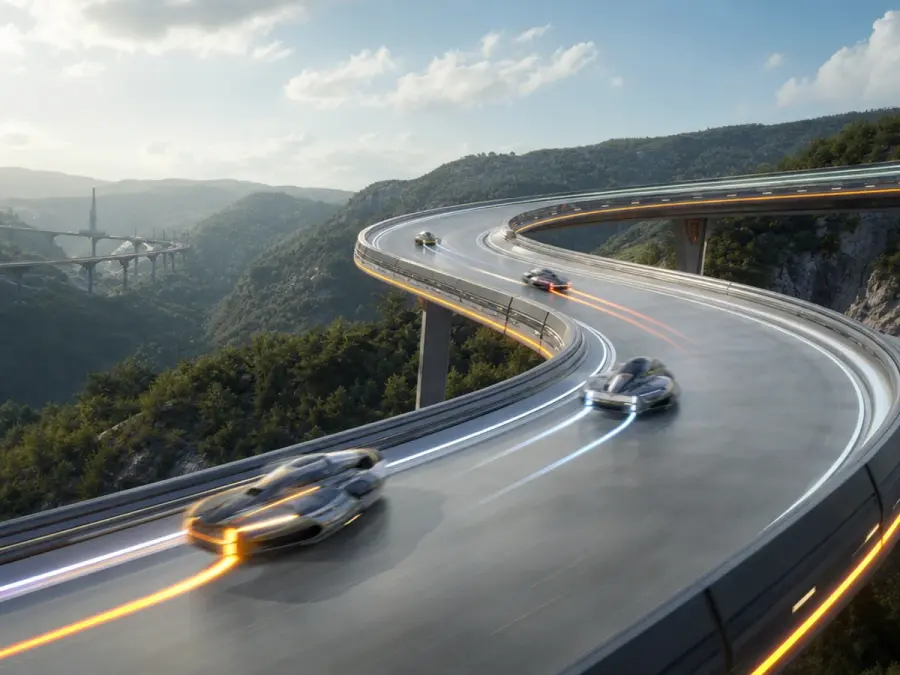
F-Zero — Speed Built From Clarity — F-Zero — Speed Built From Clarity
Bold track edges, sharp turns, and immediate vehicle response make very high speed understandable.
The design strips away distractions so momentum, positioning, and risk remain legible from the opening corner.

EarthBound — The Ordinary Made Strange — EarthBound — The Ordinary Made Strange
Suburbs, shops, buses, and household objects become the setting for an unpredictable adventure.
Its humor and contemporary details make familiar routines feel slightly tilted, while the emotional stakes arrive without abandoning that tone.

Street Fighter II Turbo — Readable Competition — Street Fighter II Turbo — Readable Competition
Distinct silhouettes, clear ranges, and strong audiovisual feedback help two players understand a complicated exchange.
The pace rewards timing and prediction while still making every successful move immediately visible.
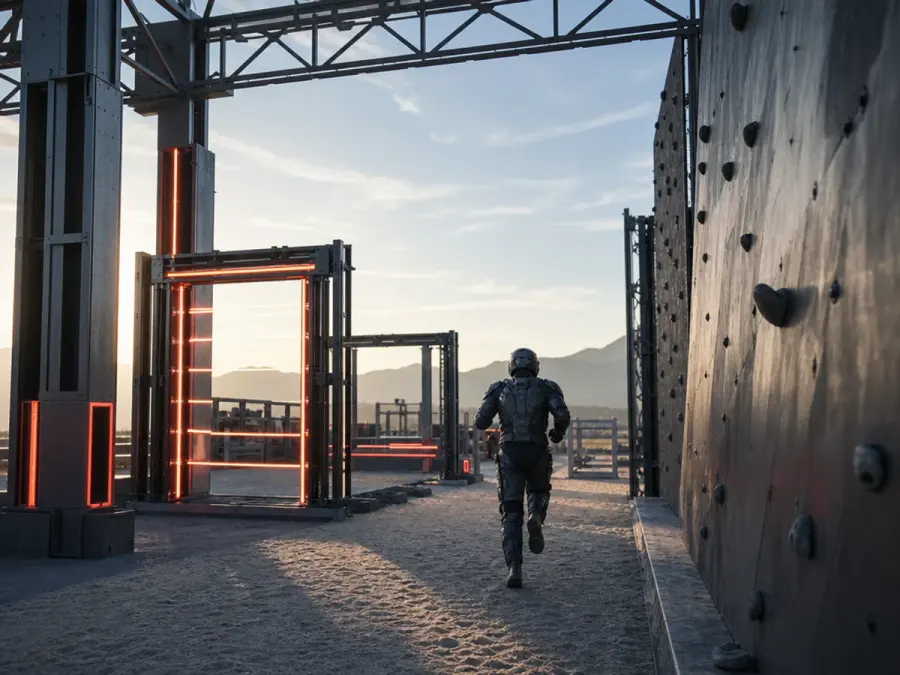
Mega Man X — Teaching Through Action — Mega Man X — Teaching Through Action
The opening sequence introduces climbing, charging, enemy patterns, and movement hazards without pausing for a lecture.
Each later stage builds on that confidence while letting upgrades change the feel of traversal.
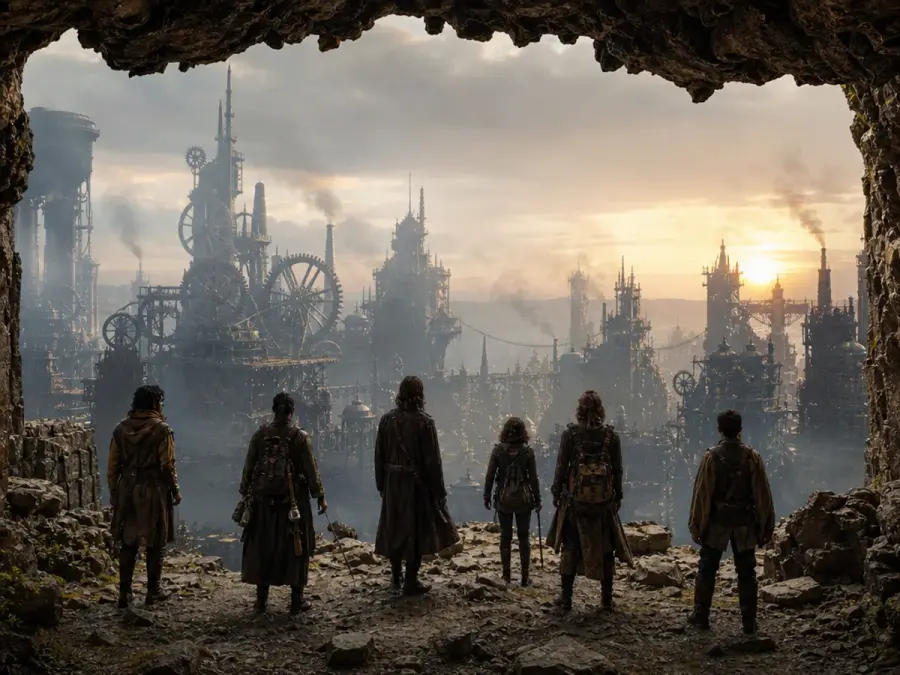
Final Fantasy VI — A True Ensemble — Final Fantasy VI — A True Ensemble
The story shifts perspective across a large cast, allowing different motives and play styles to carry the journey.
Its most memorable stretches often come from how individual characters respond to a shared crisis.
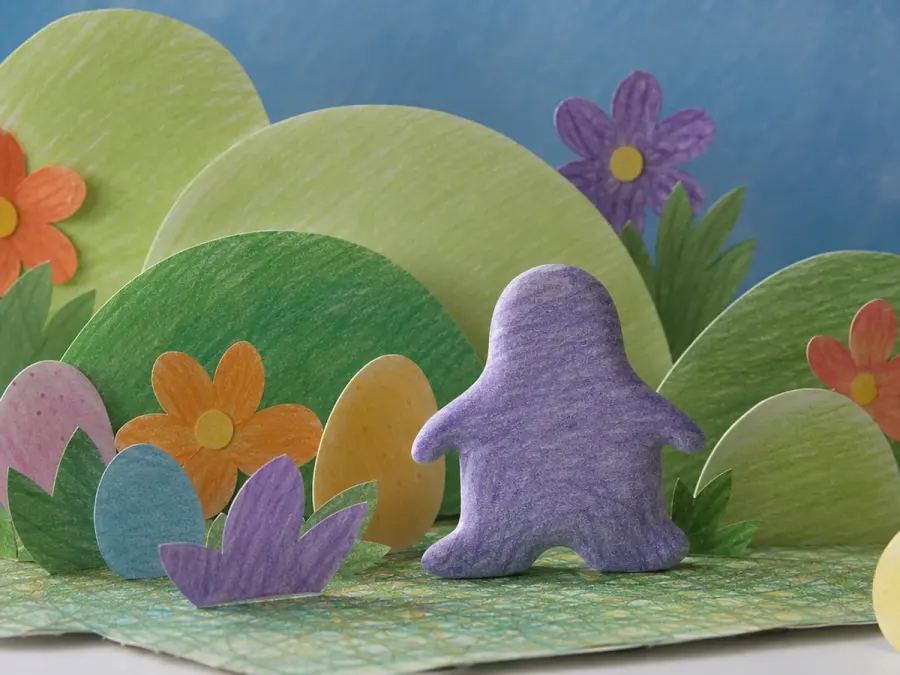
Yoshi's Island — Illustration in Motion — Yoshi's Island — Illustration in Motion
Soft shapes, playful animation, and hand-drawn texture create a world that feels made from art supplies.
Beneath that look sits precise platforming built around aiming, carrying, and protecting rather than simple imitation.
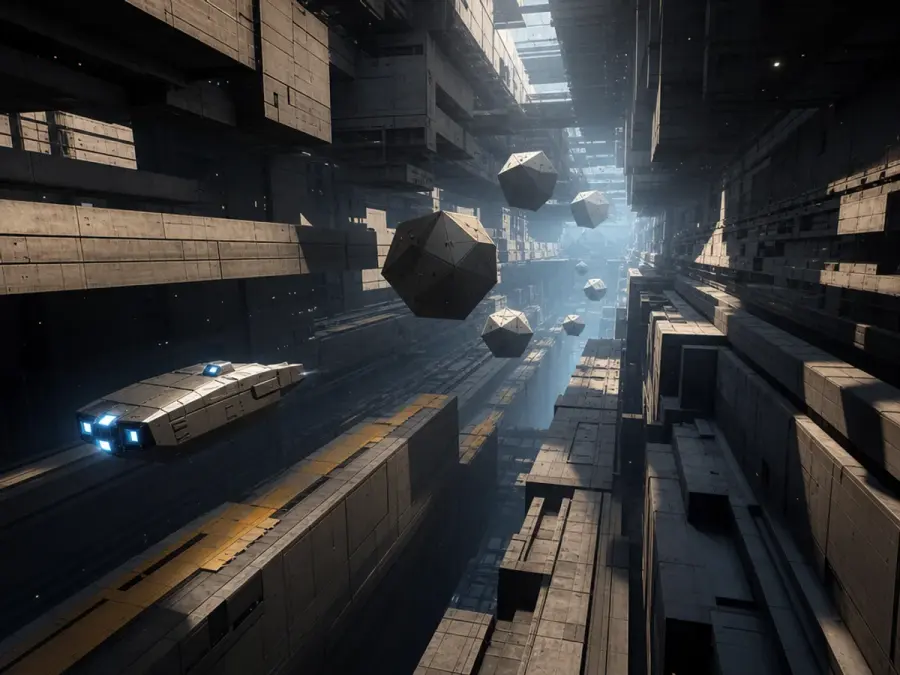
Star Fox — Turning Technology Into Structure — Star Fox — Turning Technology Into Structure
Polygonal space combat works because the route, hazards, and targets arrive in carefully organized layers.
Limited geometry becomes part of the visual identity, emphasizing direction and timing over surface detail.
Secret of Mana — Adventure Shared on the Couch — Secret of Mana — Adventure Shared on the Couch
Real-time battles, radial menus, and cooperative party control turn a long fantasy journey into a social experience.
Coordination matters, but the broad world and musical atmosphere leave room for relaxed exploration.
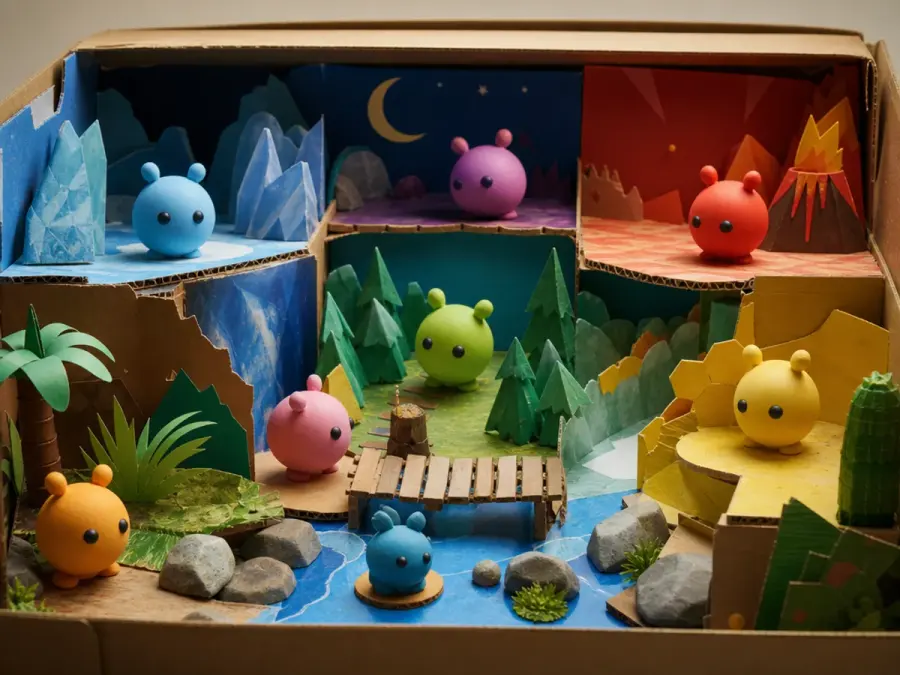
Kirby Super Star — Variety as the Main Event — Kirby Super Star — Variety as the Main Event
Short adventures, alternate rules, cooperative options, and compact experiments make the collection feel generous rather than fragmented.
It treats mechanical variety as a reason to keep returning, not as a side feature.
Featured galleries







































































































































































































































































































































































































































































