The Secret in the Oak: The Incredible Story of Stuckie the Mummified Dog
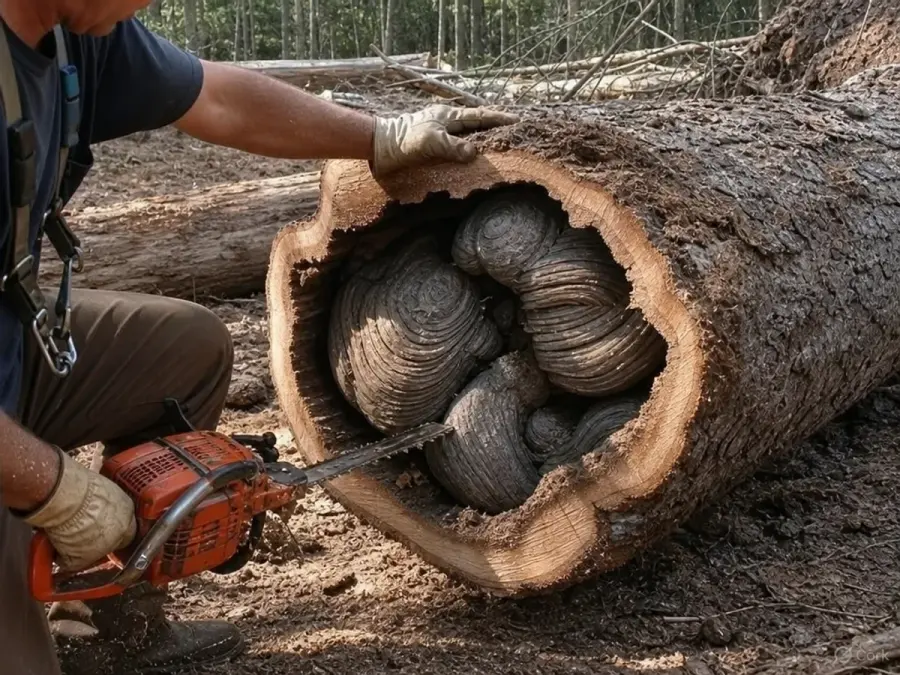
A Routine Day in the Woods — A Routine Day in the Woods
In the early 1980s, a team of loggers set out for a standard day of timber harvesting in the forests of Georgia.
They expected nothing more than the usual hard work of felling trees and loading lumber. However, one specific tree would soon turn their ordinary shift into an extraordinary historical discovery.
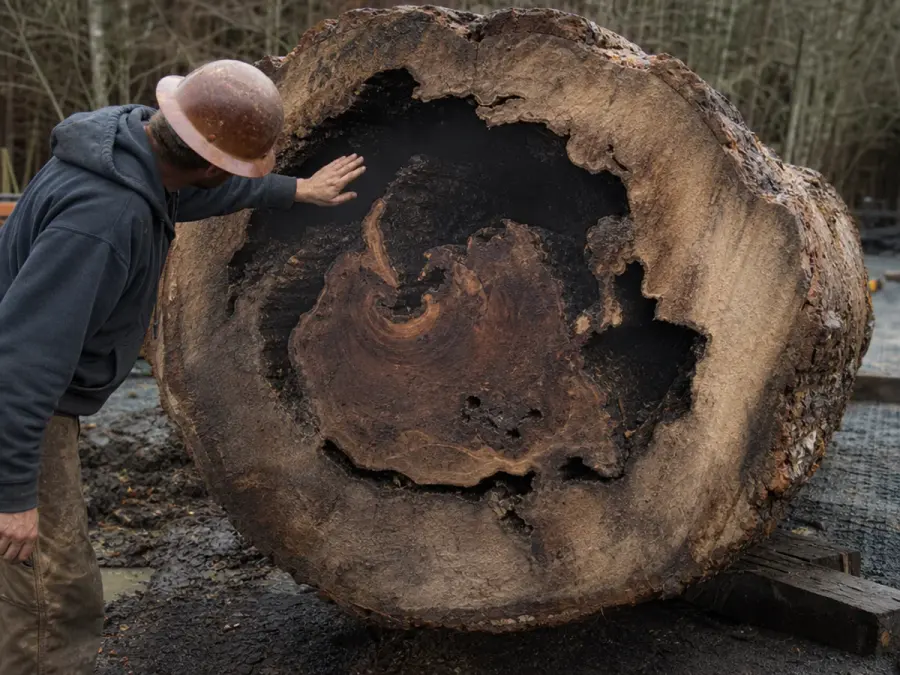
The Georgia Kraft Co. Crew — The Georgia Kraft Co. Crew
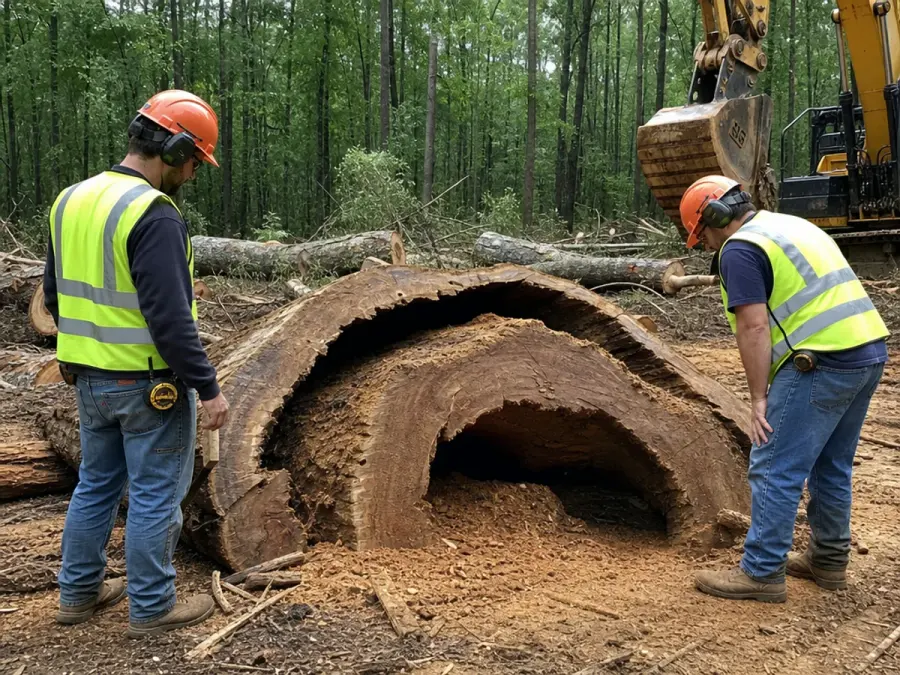
, navigating the thick southern wilderness to harvest valuable timber. Operating heavy machinery and chainsaws, they worked their way through a grove of massive oak trees.
Little did they know, one of these ancient giants held a secret that had been sealed away for decades.
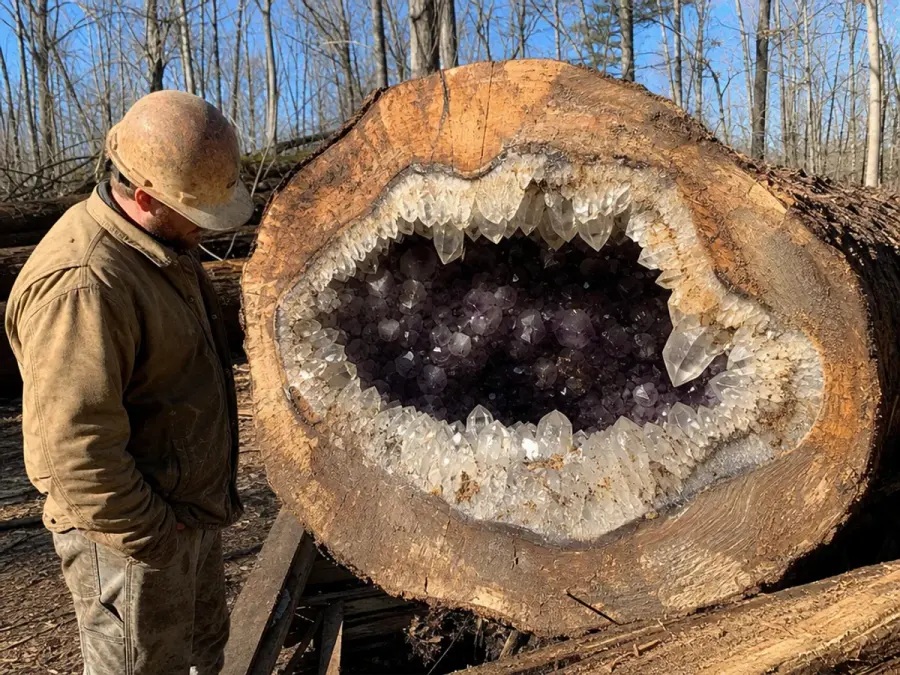
Selecting the Hollow Oak — Selecting the Hollow Oak
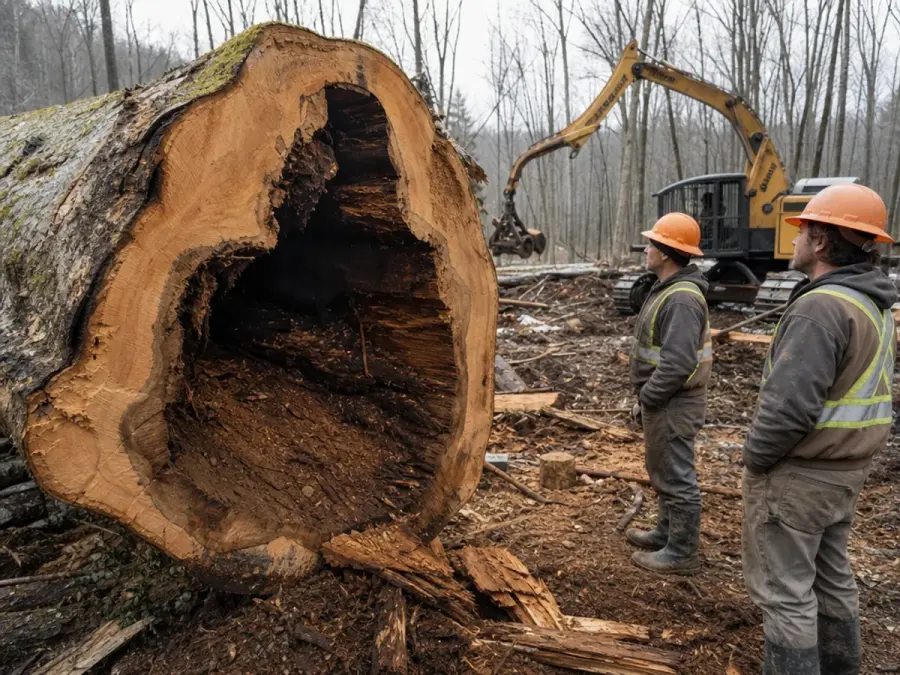
The crew targeted a large chestnut oak, a species known for its sturdy wood and occasional hollow centers.
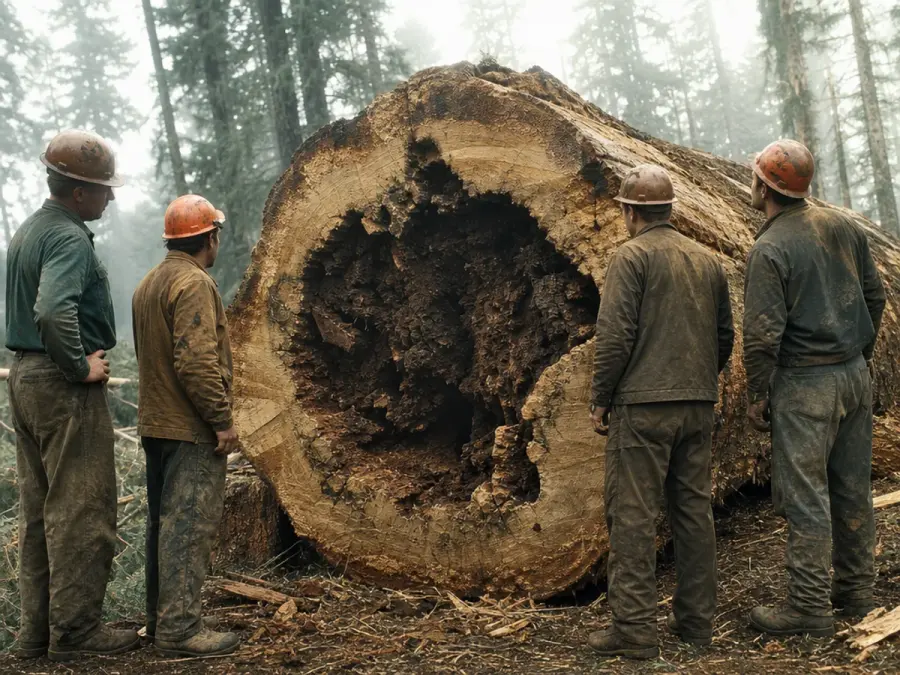
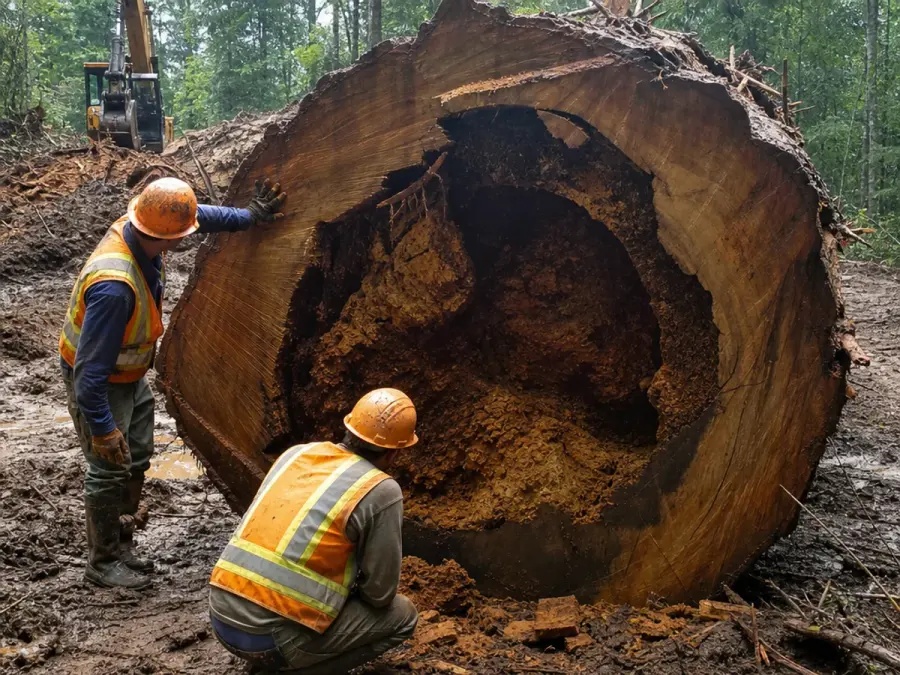
As they began the process of cutting the tree down and sectioning it for transport, they noticed something unusual about its interior. The trunk was entirely hollow, creating a natural wooden pipe.
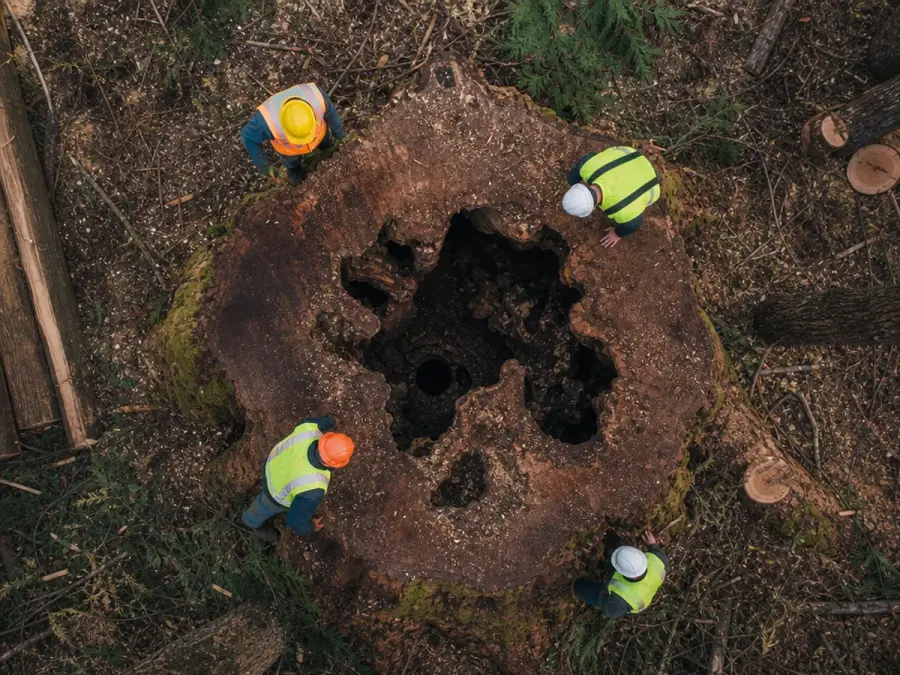
A Surprising Sight Inside — A Surprising Sight Inside
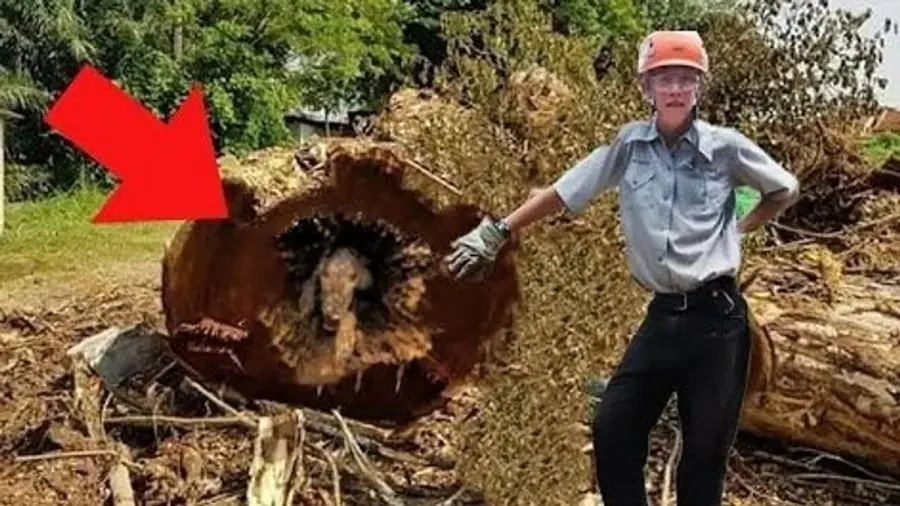
After felling the tree and cutting off the top section, a logger peered down into the hollow opening of the trunk.
Expecting to see empty space or perhaps a bird's nest, he was met with a shocking sight. Staring back at him from deep inside the wood was a perfectly preserved creature.
The Frozen Hunter — The Frozen Hunter
Inside the hollow trunk sat the mummified remains of a hunting dog, its teeth bared in a silent, eternal snarl.
The animal was completely intact, preserved so perfectly that it looked as though it had been frozen in time. The loggers stopped their machinery immediately, completely stunned by the bizarre find.
Understanding the Phenomenon — Understanding the Phenomenon
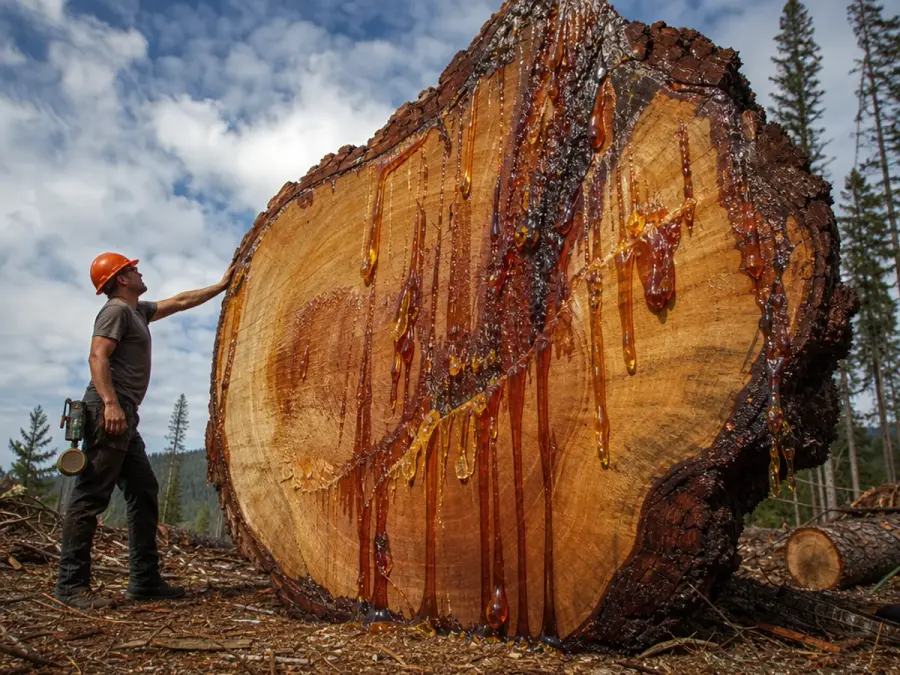
Experts later reconstructed the tragic events that led to the dog's confinement. Around 1960, the young hunting dog likely chased a small animal, such as a raccoon or squirrel, into a hole at the base of the tree.
As the dog squeezed higher up the narrowing hollow trunk, it became wedged and could not back out.
Nature's Perfect Coffin — Nature's Perfect Coffin
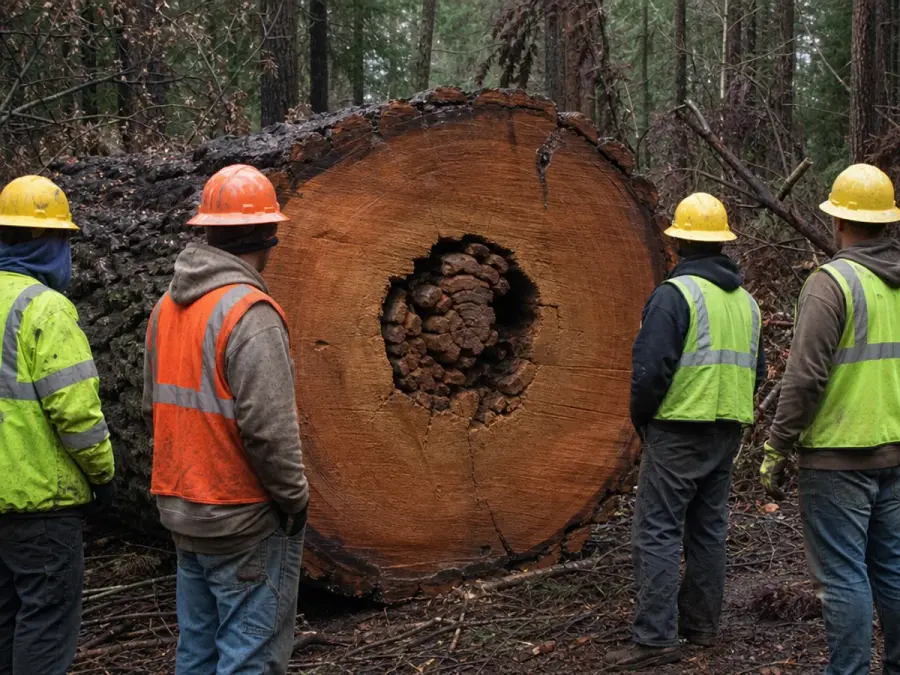
The physical conditions inside the hollow chestnut oak created a unique natural tomb. An upward draft of air acted like a chimney, carrying the scent of the decaying animal away so forest scavengers never found it.
This draft also kept the interior dry, which helped halt the normal decomposition process.
Tannic Acid Preservation — Tannic Acid Preservation
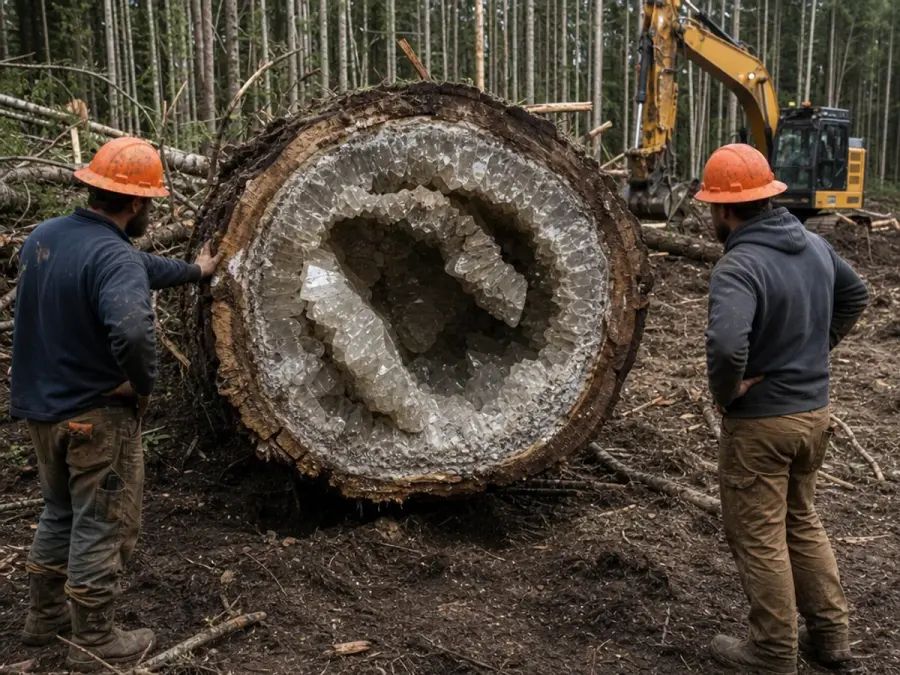
The oak tree itself played a major chemical role in preserving the dog's body. Chestnut oaks are rich in tannic acid, a natural substance used in taxidermy and leather tanning.
The acidic environment absorbed moisture from the animal's skin, naturally mummifying the dog and preventing decay.
Sparing the Specimen — Sparing the Specimen
Rather than sending the valuable log to the sawmill to be processed into pulp, the loggers knew they had to save it.
They carefully preserved the section of the trunk containing the mummified dog. The unique specimen was eventually donated to a local museum to ensure its preservation for future generations.
Heading to the Museum — Heading to the Museum
The log and its permanent resident found a new home at the Southern Forest World museum in Waycross, Georgia.
Visitors from all over came to marvel at the incredible, accidental work of nature. The exhibit quickly became one of the museum's most famous and talked-about attractions.
Naming the Legend — Naming the Legend
' In 2002, the museum held a public naming contest to give the famous pup a proper identity.
The winning name chosen was 'Stuckie,' a fitting tribute to his unique and tragic resting place.
An Enduring Wonder — An Enduring Wonder
Today, Stuckie remains a powerful testament to the unexpected mysteries hidden within our forests.
His story continues to captivate scientists, historians, and curious tourists alike. It serves as a stark reminder of how nature can sometimes create the most unbelievable wonders.
Featured galleries







































































































































































































































































































































































































































































