14 Songs With the Strongest All-Time Cases, Ranked With a Clear Rubric
‘Top Rated’ Needs a Defined Rater — ‘Top Rated’ Needs a Defined Rater
There is no universal panel that can objectively score every song. We therefore publish our criteria and use official preservation or awards histories as evidence of significance, not as a ready-made order.
Different weights could reasonably produce a different first place.
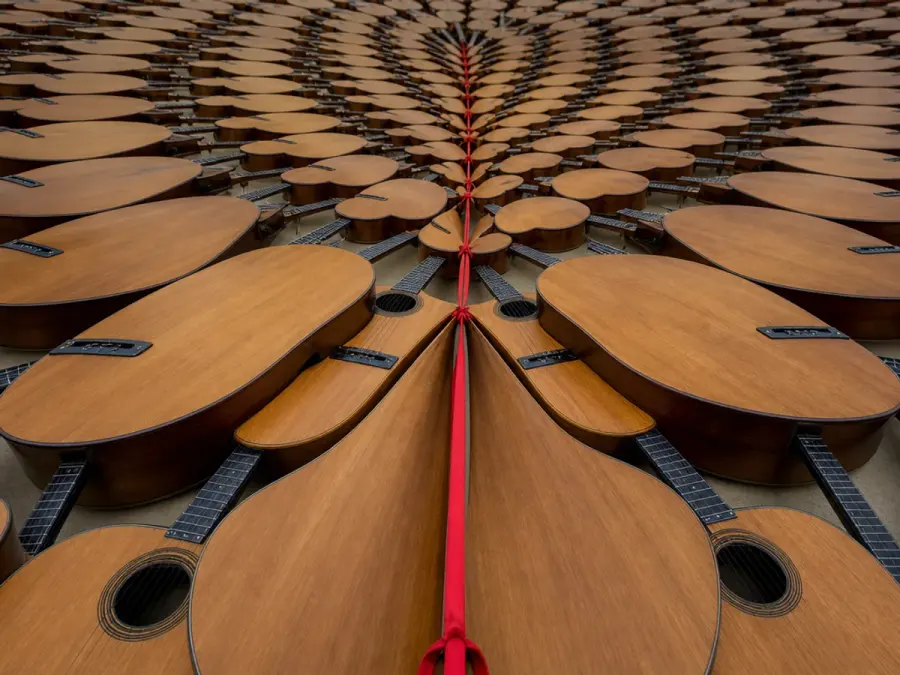
14. Jolene — Dolly Parton — 14. Jolene — Dolly Parton
An economical guitar figure, direct address, and rising tension make “Jolene” a songwriting lesson with almost no wasted motion.
It opens the ranking because the arrangement is intentionally narrow, while its influence and adaptability give it an exceptionally strong all-time case.
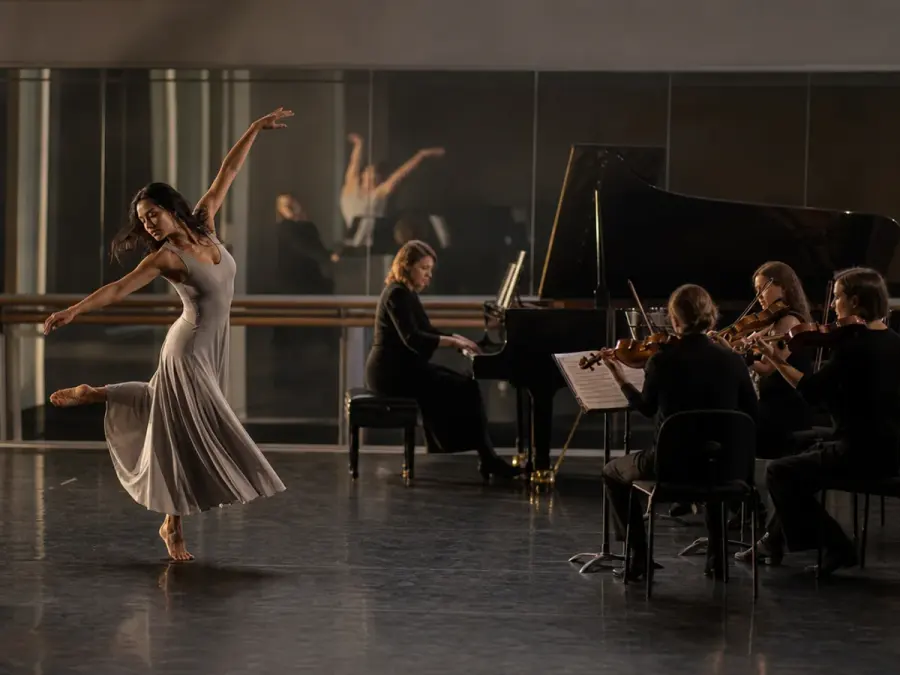
13. Dancing Queen — ABBA — 13. Dancing Queen — ABBA
Layered piano, strings, rhythm, and harmonies create pop that feels effortless despite meticulous construction. Thirteenth rewards recording craft and worldwide durability.
The visual avoids disco-costume clichés, group likenesses, album art, and any recreation of stage or film performances.

12. Dreams — Fleetwood Mac — 12. Dreams — Fleetwood Mac
A steady pulse, floating vocal, and finely balanced ensemble arrangement make “Dreams” a model of understated studio pop. Twelfth reflects durability across generations.
Discussion stays with the released work and avoids mining the group's private relationships for a simplified origin story.
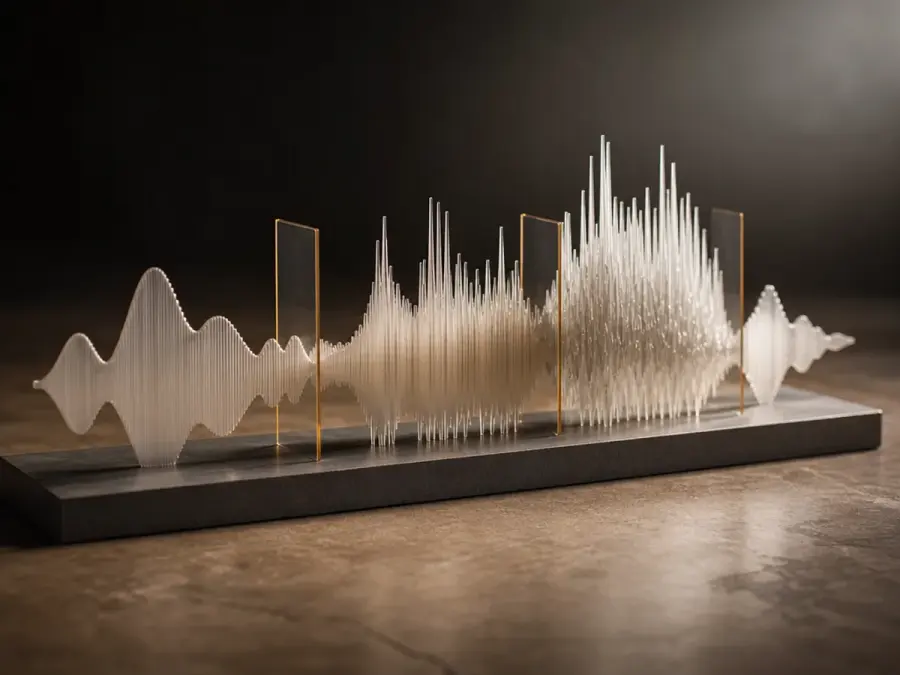
11. Bohemian Rhapsody — Queen — 11. Bohemian Rhapsody — Queen
Multiple sections, stacked voices, hard-rock force, and theatrical pacing turn the recording into a miniature suite. Eleventh rewards ambition and popular endurance.
The visual interprets structure abstractly rather than reproducing the iconic four-face image, video lighting, crest, or typography.
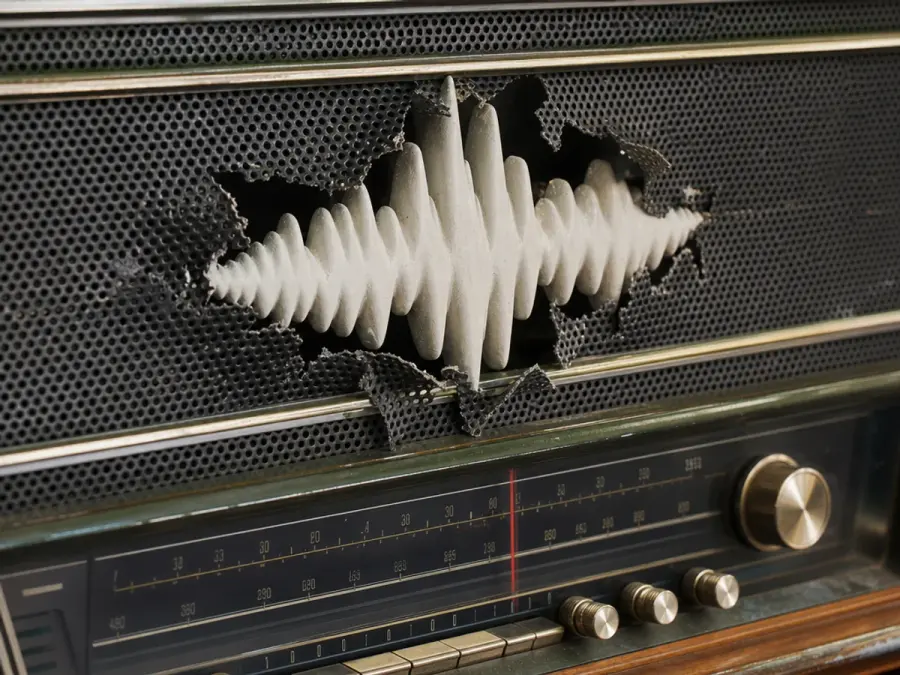
10. Smells Like Teen Spirit — Nirvana — 10. Smells Like Teen Spirit — Nirvana
Quiet-loud dynamics, a blunt guitar figure, and explosive performance shifted mainstream rock's center. It enters the top ten for influence and immediate recording identity.
Our treatment avoids the school-gym video, band likenesses, cheer uniforms, album art, logos, and lyrics.

9. Good Vibrations — The Beach Boys — 9. Good Vibrations — The Beach Boys
Modular recording, unusual instruments, vocal arrangement, and dramatic sectional contrast make “Good Vibrations” a landmark of studio composition.
Ninth rewards innovation that remains joyful on the surface. The image avoids band likenesses, beach imagery, album art, labels, logos, and lyrics.
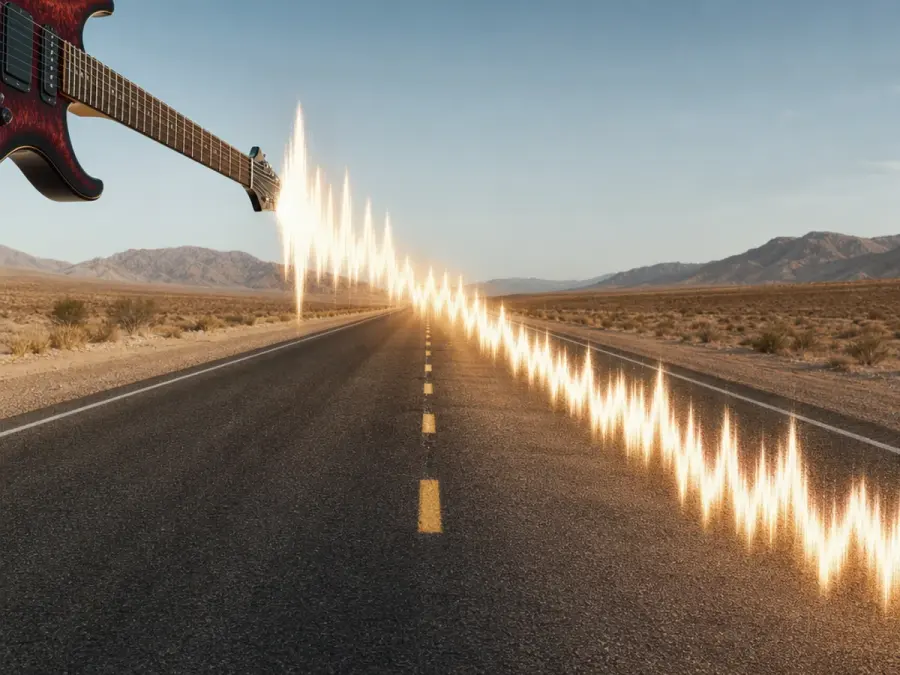
8. Johnny B. Goode — Chuck Berry — 8. Johnny B. Goode — Chuck Berry
A defining guitar introduction, propulsive rhythm, and compact narrative helped establish a vocabulary for rock performance.
Eighth reflects foundational influence and enduring recognizability. We discuss musical architecture without quoting the story or reproducing Berry's signature performance stance.
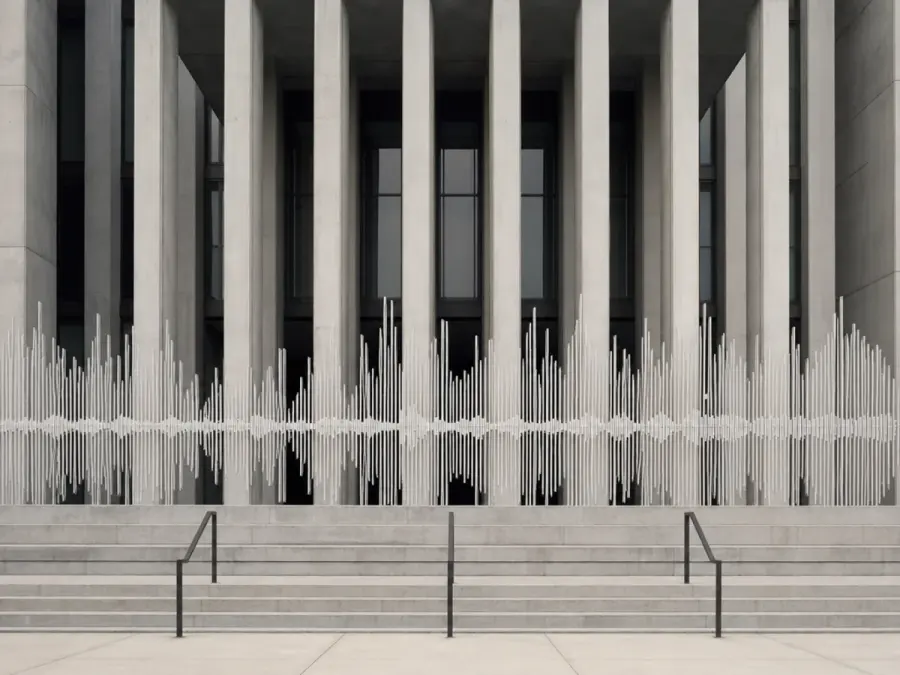
7. Fight the Power — Public Enemy — 7. Fight the Power — Public Enemy
A dense sample collage, forceful delivery, and explicit public argument make “Fight the Power” both a musical construction and civic intervention.
Seventh rewards that dual role. No lyrics, film frames, protest photographs, neighborhood imagery, or group likenesses are reproduced.
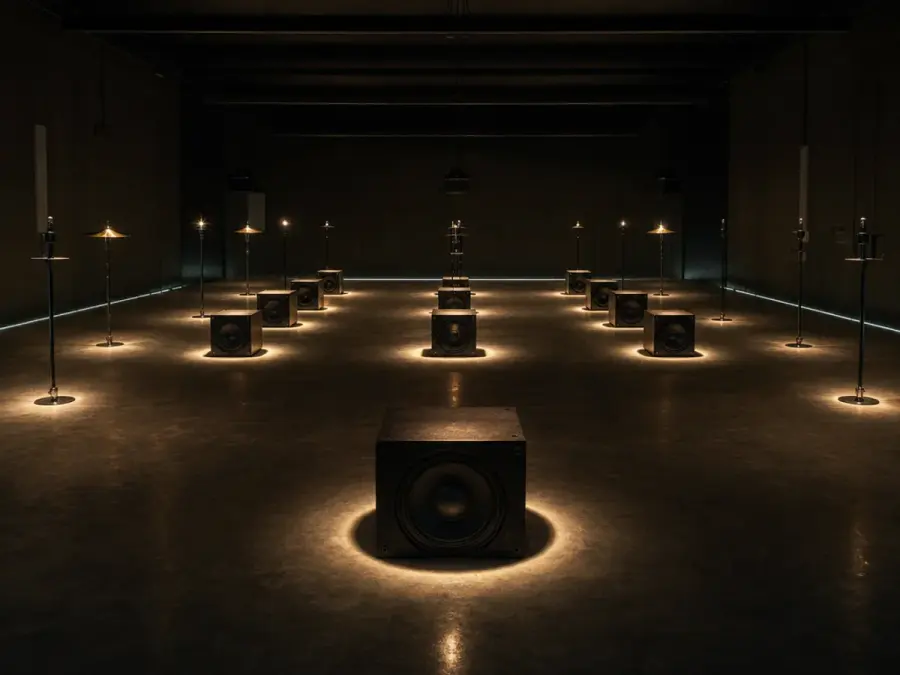
6. Billie Jean — Michael Jackson — 6. Billie Jean — Michael Jackson
Bass, drums, vocal detail, and studio space create a pop recording recognizable within seconds.
Sixth rewards production precision and enormous durability while separating the music from celebrity biography. The visual avoids Jackson's likeness, glove, hat, choreography, and video imagery.
5. Respect — Aretha Franklin — 5. Respect — Aretha Franklin
Franklin transformed an existing composition through voice, arrangement, attitude, and a performance that became culturally definitive.
Fifth rewards interpretation as authorship in practice. Registry recognition supports historical significance; the slide does not quote its famous refrain or recreate performance imagery.

4. A Change Is Gonna Come — Sam Cooke — 4. A Change Is Gonna Come — Sam Cooke
Orchestration, measured vocal control, and a movement from personal experience toward collective hope give this recording rare emotional reach.
Fourth reflects composition, performance, and historical durability. The image stays symbolic and does not appropriate civil-rights photographs or protected lyrics.
3. Like a Rolling Stone — Bob Dylan — 3. Like a Rolling Stone — Bob Dylan
An extended runtime, confrontational vocal, organ color, and shifting lyrical address expanded the scale of a mainstream rock single.
Third rewards compositional influence and performance identity. We avoid quoting the song or using Dylan's likeness, handwritten lyrics, or album photography.

2. What's Going On — Marvin Gaye — 2. What's Going On — Marvin Gaye
Layered voices, supple rhythm, orchestration, and social concern turn this title track into both invitation and question.
Second reflects humane reach and album-opening function. Its preservation history supports importance, while our near-top placement remains an independent editorial choice.
1. Strange Fruit — Billie Holiday — 1. Strange Fruit — Billie Holiday
Our top choice joins an unforgettable vocal interpretation with stark arrangement and a subject that permanently expanded the moral possibilities of popular recording.
It is difficult listening, not background music. First place rewards cultural weight and performance, without reproducing lyrics or graphic imagery.
Featured galleries







































































































































































































































































































































































































































































