Unlocking the Secrets of the Holy Sepulchre: Inside the Historic Opening of Jesus' Tomb
The Sacred Site — The Sacred Site
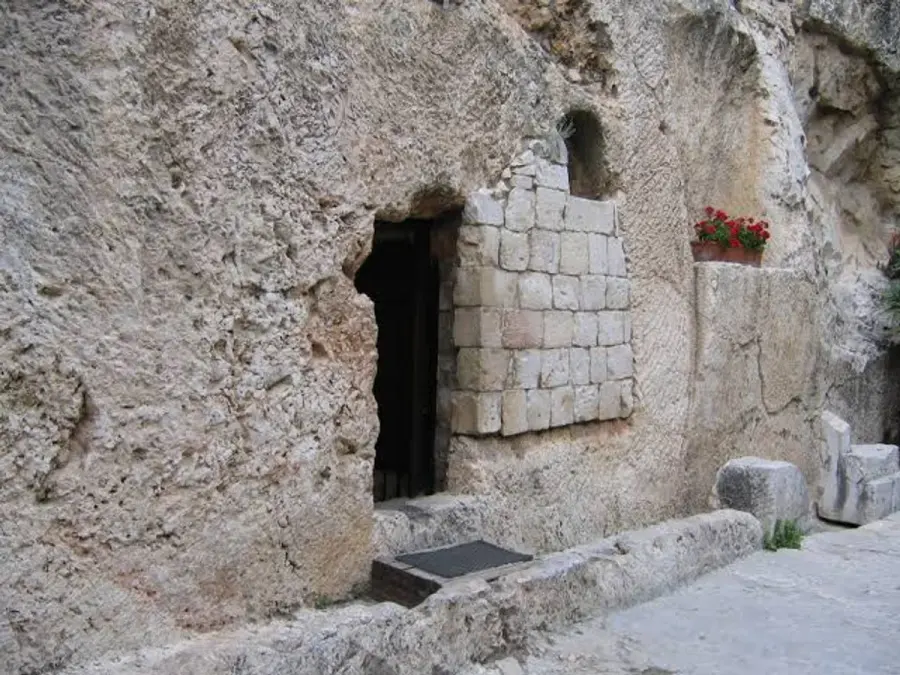
For centuries, the Church of the Holy Sepulchre in Jerusalem has stood as one of Christianity's most sacred locations.
At its heart lies the Edicule, a small shrine built around what is traditionally believed to be the burial place of Jesus.
A Historic Decision — A Historic Decision
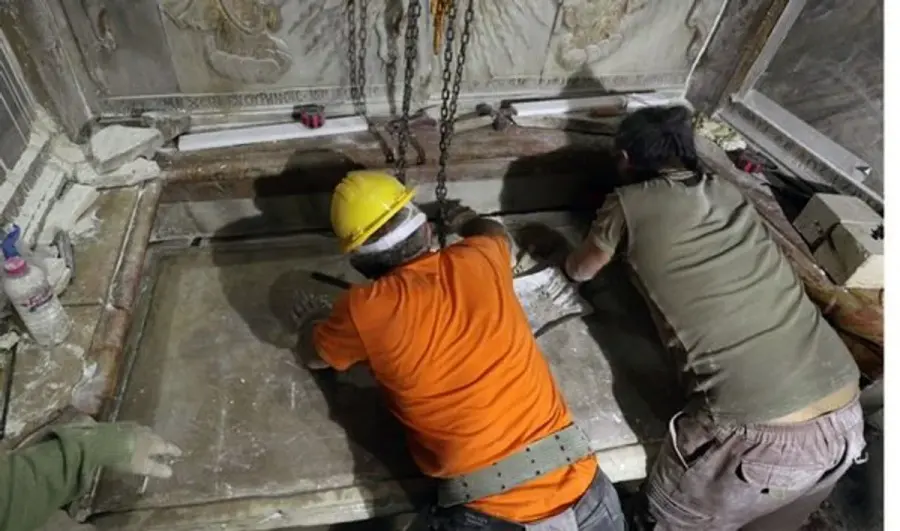
In 2016, a team of scientists received unprecedented permission to open the tomb for vital restoration work.
This marked the first time the sacred chamber had been unsealed in nearly 500 years, drawing immense global attention.
60 Hours Against the Clock — 60 Hours Against the Clock
The researchers were given a strict 60-hour window to complete their delicate excavation and conservation efforts.
Working around the clock, they carefully navigated the fragile structure to avoid causing any permanent damage.
Beneath the Marble — Beneath the Marble
Upon lifting the top protective marble slab, scientists were surprised to find a thick layer of fill material underneath.
They painstakingly cleared the debris to see what lay hidden beneath the protective stone layer.
The Ancient Limestone Bed — The Ancient Limestone Bed
Beneath the debris, researchers discovered a second marble slab engraved with a cross, dating back to the Crusader era.
Underneath that second slab sat the original limestone burial shelf, untouched for centuries.

Artistic Heritage — Artistic Heritage
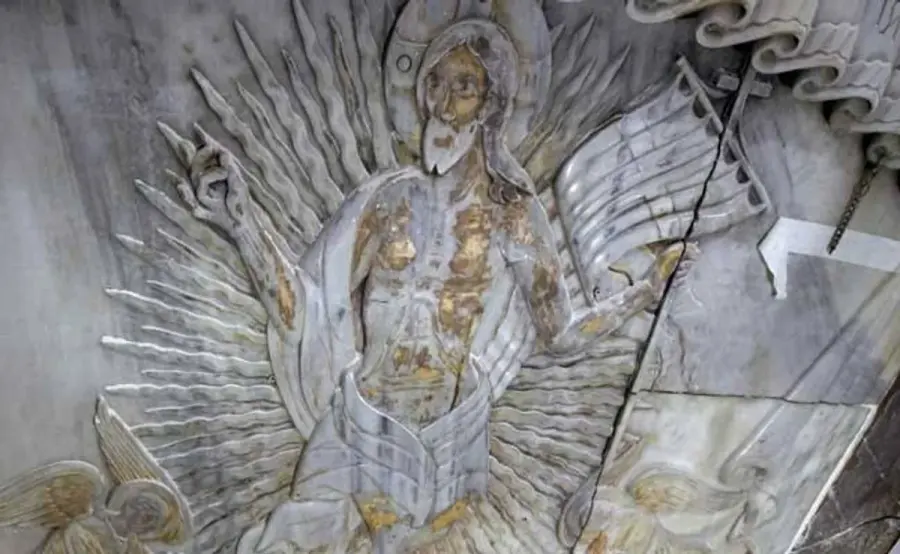
Throughout history, Christian art and iconography have depicted this sacred burial site in various mediums.
The physical discovery of the limestone shelf aligned remarkably well with historical descriptions and ancient depictions.

A Global Media Sensation — A Global Media Sensation
The historic opening captured the imagination of the entire world, sparking massive media coverage and television documentaries.
People globally tuned in to witness the intersection of ancient history and modern science.
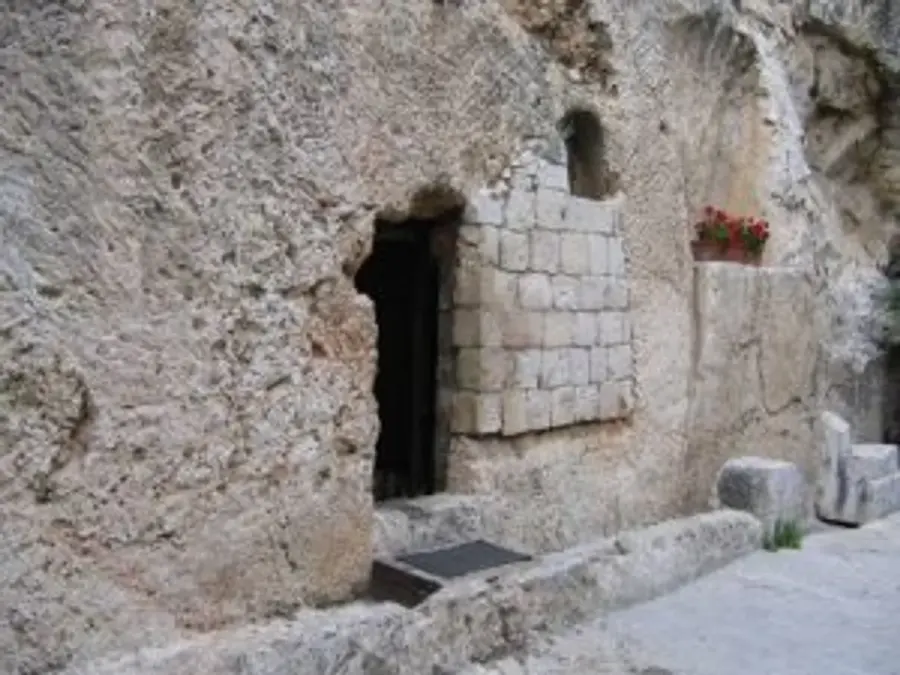
The Restoration Team — The Restoration Team
Experts from the National Technical University of Athens spearheaded the complex restoration project.
They worked alongside religious authorities to ensure the structural integrity of the holy shrine was preserved.
Ground-Penetrating Radar — Ground-Penetrating Radar
Scientists utilized advanced tools like ground-penetrating radar and laser scanning to map the tomb's interior.
This non-invasive technology allowed them to study the hidden chambers without compromising the ancient stone.

Cultural Resonance — Cultural Resonance
Major archaeological breakthroughs often dominate global television specials and holiday broadcasts, uniting diverse audiences.
The revelation of the tomb's interior served as a landmark moment in televised historical exploration.

Centuries of Preservation — Centuries of Preservation
Over the centuries, the tomb has survived numerous natural disasters, fires, and reconstructions.
This latest scientific endeavor sought to reinforce the fragile masonry to ensure it survives for future generations.

The Pilgrim's Journey — The Pilgrim's Journey
For millions of pilgrims, the chance to visit this sacred site represents a profound spiritual journey.
The restoration ensured that the physical heart of their devotion remains safe and accessible.

Unraveling the Mysteries — Unraveling the Mysteries
Online platforms and video analyses quickly spread the news of the incredible findings inside the tomb.
Researchers analyzed the mortar samples, dating them back to the Roman era, which supported the site's historical authenticity.

Digital Reconstruction — Digital Reconstruction
Using the collected scientific data, experts created highly detailed 3D digital reconstructions of the burial chamber.
These digital assets allow researchers to study the tomb's architecture without needing physical access.

Sealing the Tomb Again — Sealing the Tomb Again
After completing the necessary structural reinforcements, the scientists resealed the limestone burial shelf beneath its protective marble cover.
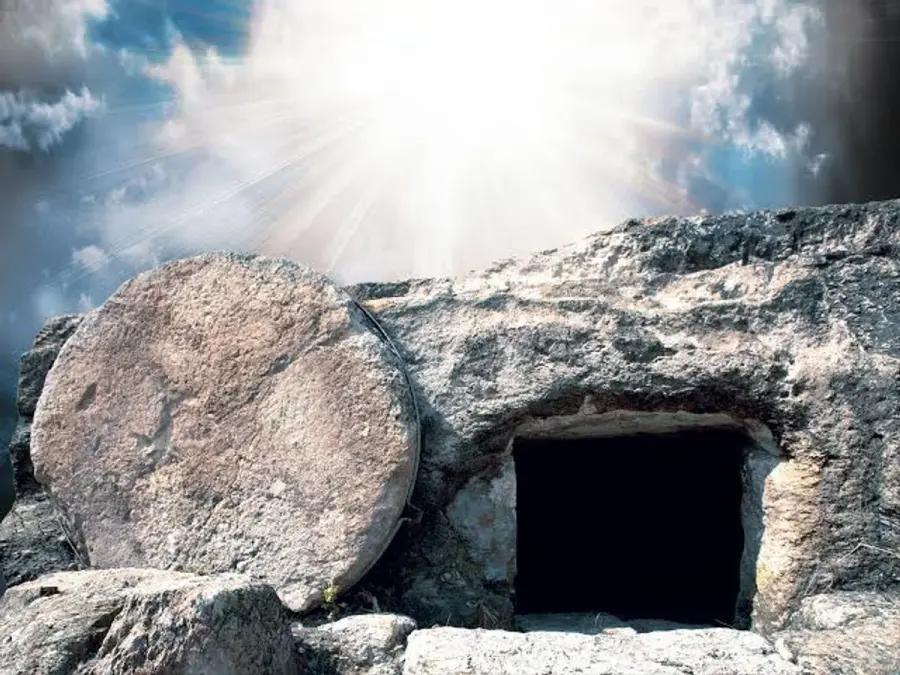
The tomb remains closed once more, preserving its ancient mysteries for the foreseeable future.
Featured galleries







































































































































































































































































































































































































































































