Video Games of All Time

Tetris — A Rule Set That Explains Itself — Tetris — A Rule Set That Explains Itself
Tetris needs almost no fiction to create tension, planning, and self-correction. Falling pieces make the future visible but never fully controllable, while completed lines turn cleanup into momentum.
Its lasting achievement is compression: a few shapes and one spatial rule support novice play, high-level mastery, competition, and countless legitimate variations.
Super Mario Bros. 3 — Movement as Endless Surprise — Super Mario Bros. 3 — Movement as Endless Surprise
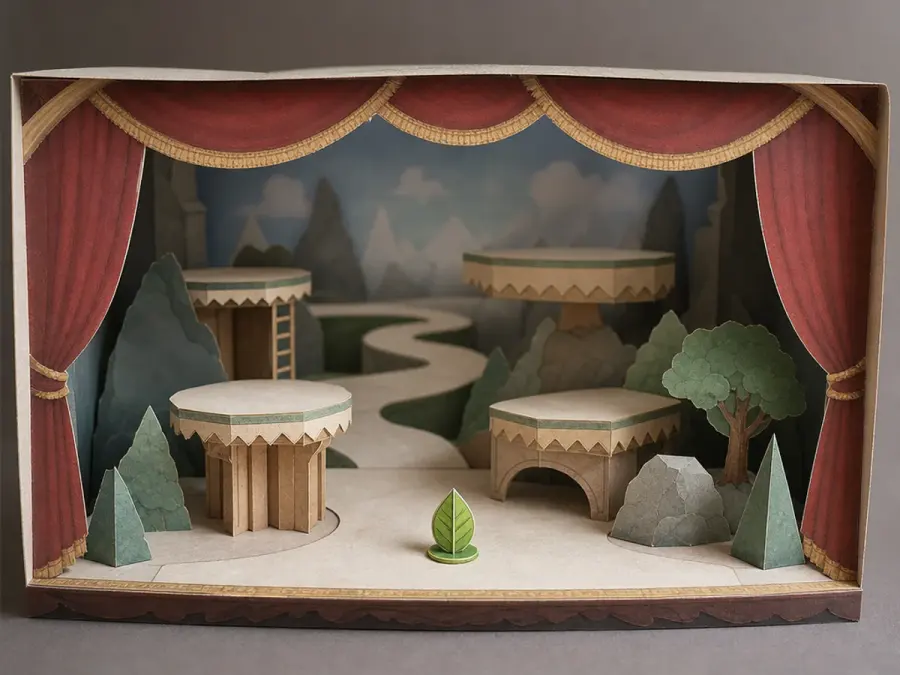
Super Mario Bros. 3 turns a precise run and jump into a parade of new stage ideas, suits, secrets, and map decisions. Its theatrical framing makes invention feel playful rather than arbitrary.
The game remains instructive because levels teach through arrangement and consequence, rarely stopping the player to explain what a moving platform or enemy pattern means.
The Legend of Zelda: Ocarina of Time — Adventure in Three Dimensions — The Legend of Zelda: Ocarina of Time — Adventure in Three Dimensions
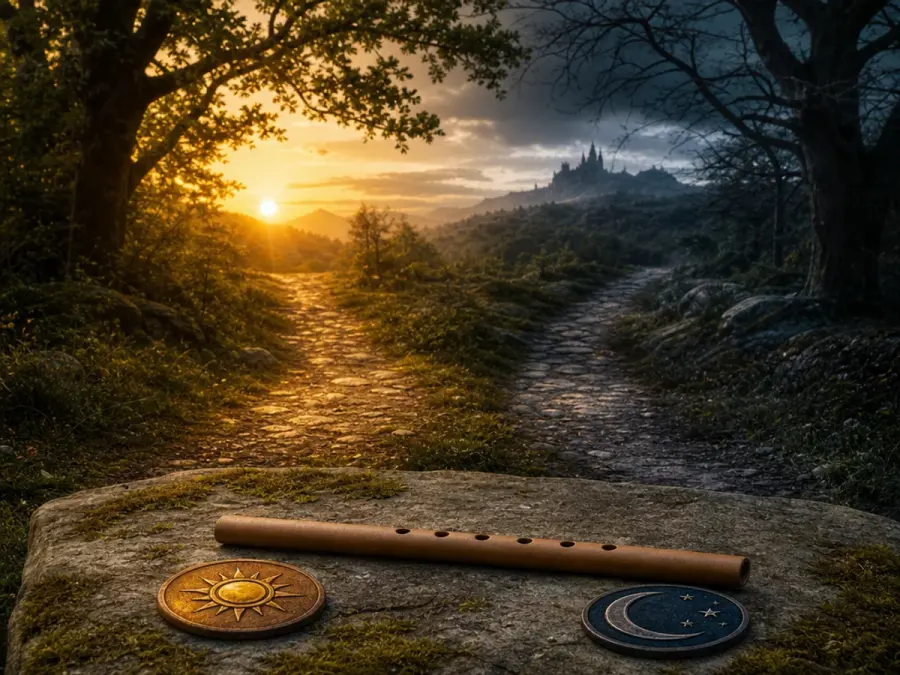
Ocarina of Time gave three-dimensional exploration a readable grammar: lock-on combat, spatial puzzles, memorable landmarks, and time-shifting structure.
Some camera and pacing conventions show their age, yet the world still demonstrates how music, place, and repeated routes can turn technical navigation into a coherent heroic journey.
DOOM — Speed, Space, and Combat Readability — DOOM — Speed, Space, and Combat Readability
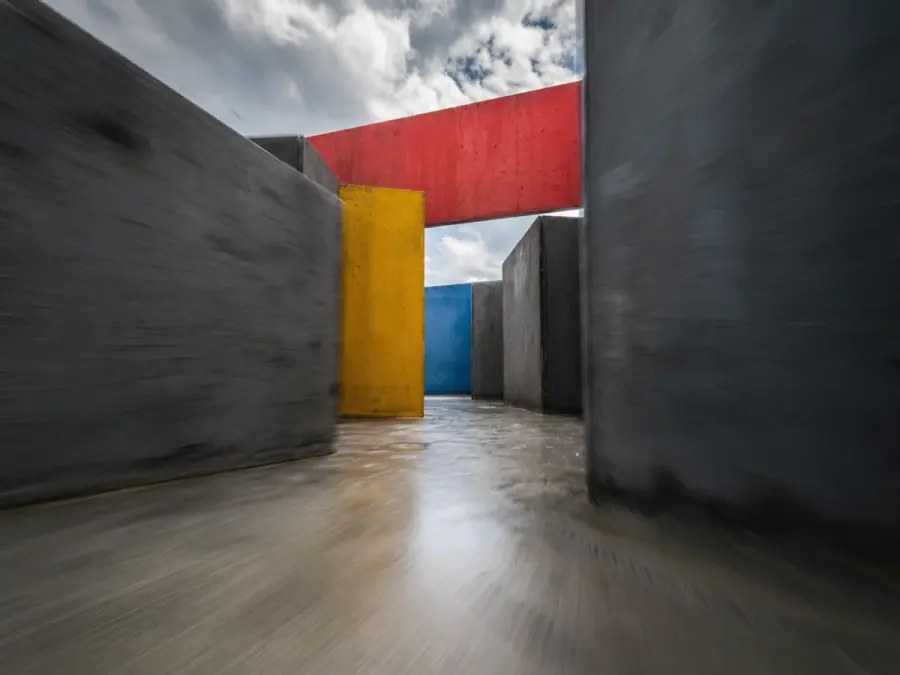
DOOM's historical importance is inseparable from its feel: fast movement, immediate weapons, maze-like spaces, and enemies readable in an instant.
The game helped define first-person action while encouraging player-made levels and network play. Modern source ports and official editions differ, but the original design remains direct enough to teach itself through motion.
Chrono Trigger — A Role-Playing Game Without Waste — Chrono Trigger — A Role-Playing Game Without Waste
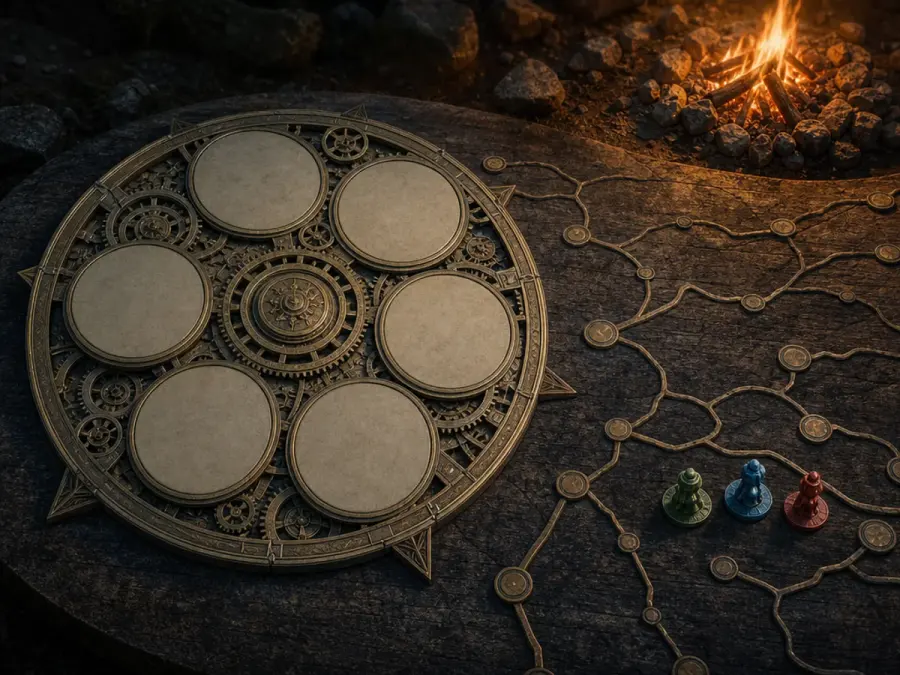
Chrono Trigger keeps its party adventure brisk by linking time periods, visible encounters, character techniques, and alternate outcomes without burying the player in friction.
Its structure makes revisiting events feel meaningful rather than repetitive. The result is an unusually approachable example of how a large role-playing story can respect momentum and still leave room for consequence.
Super Metroid — A World Learned Through Movement — Super Metroid — A World Learned Through Movement
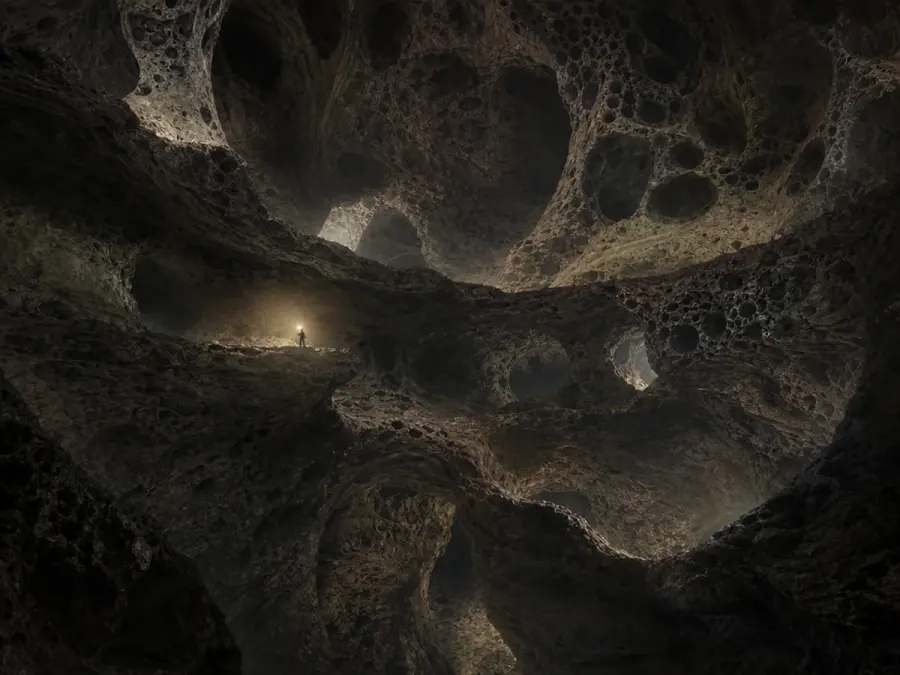
Super Metroid teaches its world through blocked routes, environmental clues, and abilities that change how earlier spaces are understood.
Isolation is not empty mood; it focuses attention on sound, silhouette, and the remembered shape of a corridor. Its map remains a model for progression that feels like growing knowledge rather than following a checklist.

Half-Life 2 — Story Delivered While Moving — Half-Life 2 — Story Delivered While Moving
Half-Life 2 makes physics, travel, combat, and environmental storytelling part of one uninterrupted first-person viewpoint. Its companion performances and lived-in spaces helped prove that authored spectacle did not require taking control away every few minutes.
Some set pieces are products of their era, but the integration of narrative and physical interaction remains remarkably clear.
Shadow of the Colossus — Scale With Restraint — Shadow of the Colossus — Scale With Restraint
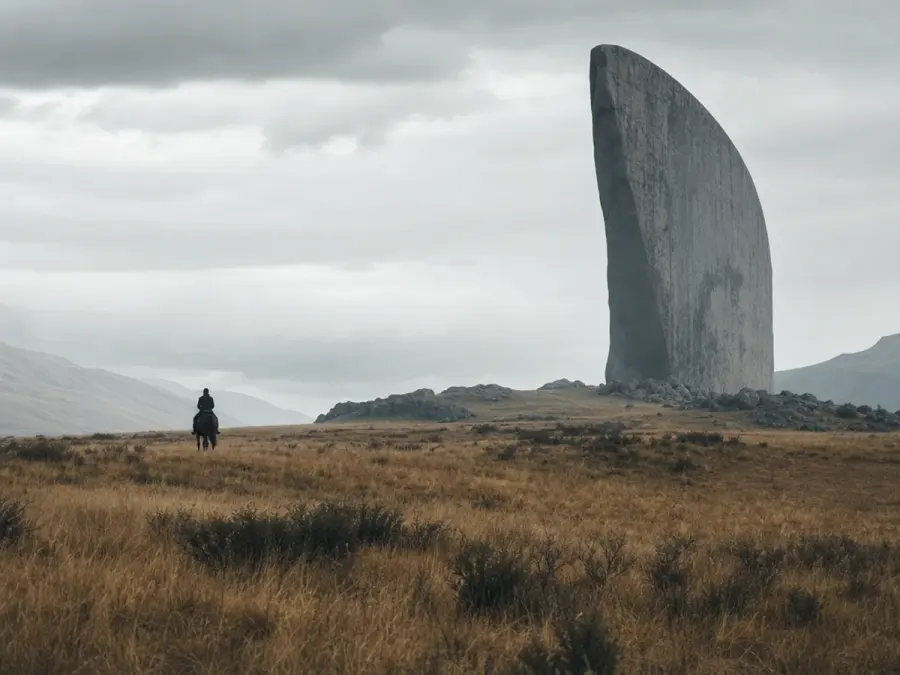
Shadow of the Colossus builds an entire emotional rhythm from travel, encounter, climb, and aftermath. The sparse landscape makes every target feel monumental while leaving room to question the player's task.
It is influential not because bigger enemies are automatically better, but because scale, animation, and silence are used to create moral weight.
Portal 2 — Teaching Through Comedy and Space — Portal 2 — Teaching Through Comedy and Space
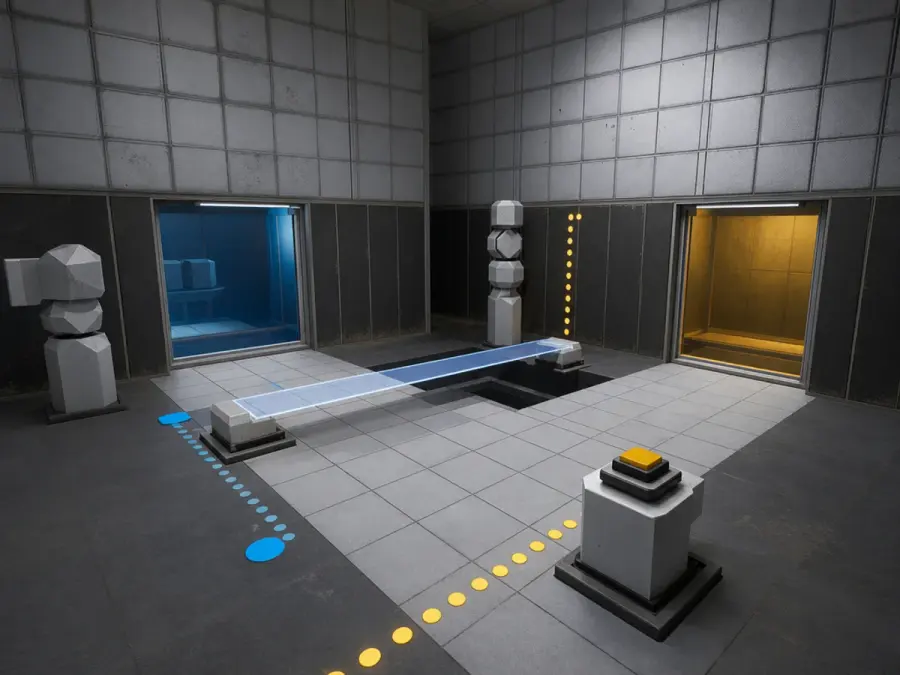
Portal 2 expands a compact spatial mechanic into a full campaign without exhausting it. Test chambers introduce relationships between surfaces, momentum, light, and fluids, while writing supplies character and pacing between deductions.
Cooperative puzzles are not an appendix; they reveal how communication changes the same physical language when two people must plan together.
Dark Souls — Knowledge Earned by Returning — Dark Souls — Knowledge Earned by Returning
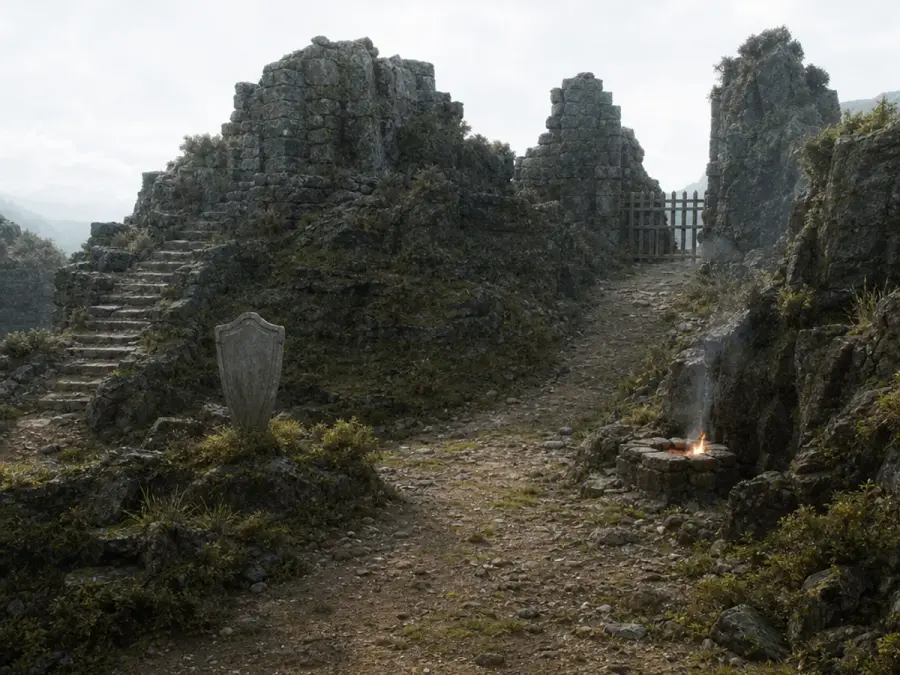
Dark Souls turns failure into information: enemy timing, level shortcuts, resource risk, and cryptic social traces gradually make a hostile world legible.
Its difficulty is meaningful when it encourages observation, though it is not a universal virtue. The interlocking geography is the deeper achievement, converting repeated paths into growing mastery of place.
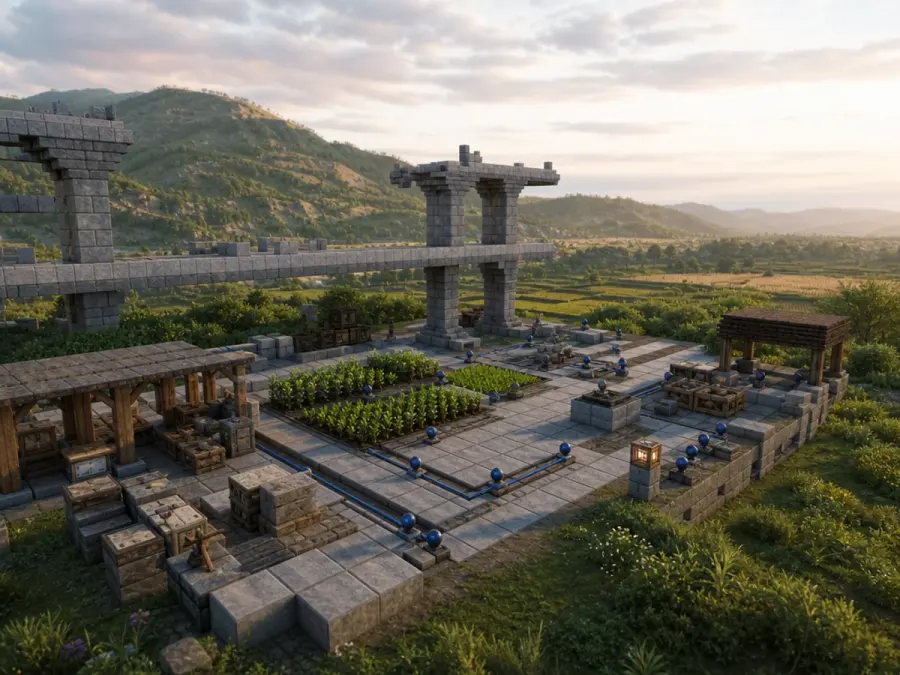
Minecraft — The Player Supplies the Verb — Minecraft — The Player Supplies the Verb
Minecraft is equally comfortable as survival problem, construction toy, social server, classroom tool, or technical sandbox. Its blocks are less important than the permission structure: gather, combine, alter, share, and begin again.
Few games make personal goals so central while retaining rules clear enough for a new player to produce something recognizable quickly.
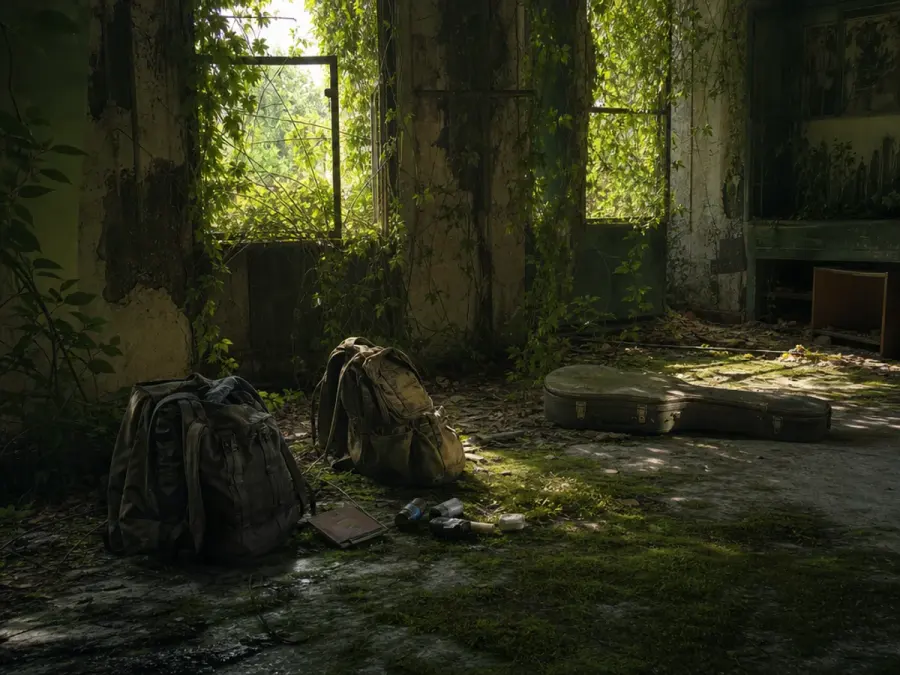
The Last of Us — Performance Inside Survival Play — The Last of Us — Performance Inside Survival Play
The Last of Us links intimate performance to scavenging, stealth, and violence so the player's actions complicate the relationships being portrayed.
Its influence is visible in later prestige adventures, but the design is most effective when quiet environmental details interrupt the forward push. Current editions differ, so buyers should verify platform and features.

Grand Theft Auto V — Three Perspectives on One City — Grand Theft Auto V — Three Perspectives on One City
Grand Theft Auto V uses three protagonists to move between social worlds, mission styles, and competing versions of ambition.
Its open city supports both authored satire and unscripted disruption, while GTA Online extended the setting into a separate long-lived service. The game's reach is undeniable, though its violence and themes demand an adult-content check.

The Legend of Zelda: Breath of the Wild — Curiosity as Navigation — The Legend of Zelda: Breath of the Wild — Curiosity as Navigation
Breath of the Wild trusts visible terrain, weather, physics, and player curiosity to create routes. A distant shape can become a goal without a mission log insisting on it, and systemic tools allow several plausible solutions.
Weapon durability remains divisive, but the larger design shifted open-world attention from clearing icons toward reading the landscape.
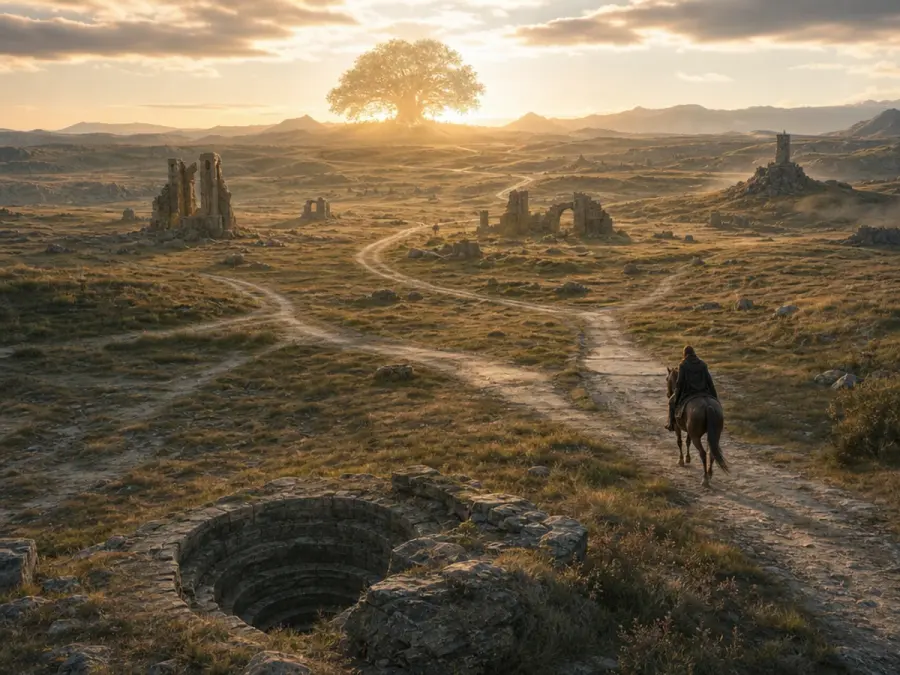
Elden Ring — Open Discovery Meets Demanding Combat — Elden Ring — Open Discovery Meets Demanding Combat
Elden Ring enlarges the deliberate combat and environmental storytelling associated with its lineage without turning exploration into a sequence of mandatory markers.
Players can leave a difficult encounter, find a new route, and return with different knowledge or tools. Its scale works because dense local mysteries continually interrupt the grand journey.
Featured galleries







































































































































































































































































































































































































































































