15 Wedding Songs That Still Work, Ranked by the Moment They Create

1. 'At Last' — Etta James — 1. 'At Last' — Etta James
James's 1961 recording pairs a stately opening with a vocal that feels both relieved and assured. It can carry a first dance without elaborate choreography and also works for a processional.
Its familiarity is earned, not generic; couples should still hear the entire recording before committing.

2. 'Signed, Sealed, Delivered (I'm Yours)' — Stevie Wonder — 2. 'Signed, Sealed, Delivered (I'm Yours)' — Stevie Wonder
The brisk groove makes commitment feel celebratory rather than solemn. It is a superb recessional or reception entrance, where the crowd needs immediate rhythmic permission to cheer.
The recording is too animated for couples wanting a hushed first dance, which is precisely why its event role is so clear.
3. 'This Will Be (An Everlasting Love)' — Natalie Cole — 3. 'This Will Be (An Everlasting Love)' — Natalie Cole
Natalie Cole's buoyant performance moves quickly from smile to full-room lift. The song excels for a reception entrance, cake moment or early open-dance invitation.
Its energy is polished enough for multiple generations but never sounds like background music; it asks guests to participate.

4. 'Can't Help Falling in Love' — Elvis Presley — 4. 'Can't Help Falling in Love' — Elvis Presley
The 1961 recording is compact, tender and melodically direct, which explains its lasting ceremony appeal. Its slow sway is approachable for non-dancers.
Because countless covers change tempo and tone, the vendor sheet must name the chosen version; 'the Elvis song' is not enough production detail.

5. 'Lovely Day' — Bill Withers — 5. 'Lovely Day' — Bill Withers
A relaxed pocket and Withers's grounded delivery make this ideal for cocktail hour, brunch weddings or a sunlit recessional. It expresses optimism without forcing a cinematic climax.
DJs can also use it to bridge seated conversation into dancing because the groove feels social before it feels performative.
6. 'You Make My Dreams' — Daryl Hall & John Oates — 6. 'You Make My Dreams' — Daryl Hall & John Oates
Bright keyboard figures and a propulsive beat make this a reliable room-raiser. It fits the wedding-party entrance or the point when formalities give way to dancing.
Its punchy runtime is an advantage: the track delivers recognition quickly and leaves before exuberance becomes exhausting.

7. 'Ain't No Mountain High Enough' — Marvin Gaye and Tammi Terrell — 7. 'Ain't No Mountain High Enough' — Marvin Gaye and Tammi Terrell
The duet structure turns partnership into musical conversation, while the escalating arrangement can bring a mixed-age room together.
It works best once guests are ready to sing along, not during a quiet vow. Use the named 1967 recording if that interplay is the reason for choosing it.
8. 'Here Comes the Sun' — The Beatles — 8. 'Here Comes the Sun' — The Beatles
The gentle acoustic opening can accompany a processional, while the gradually brightening arrangement supports an outdoor recessional or meal transition.
It is hopeful without being specifically about marriage. Couples should confirm licensing and version details because Beatles recordings are unavailable in some vendor libraries.
9. 'September' — Earth, Wind & Fire — 9. 'September' — Earth, Wind & Fire
Few tracks organize a dance floor faster. The horn-driven momentum and communal vocal feel make it a natural early peak, especially after dinner.
It is not inherently a wedding narrative, and that is fine: reception programming also needs songs whose job is simply to unite the room.
10. 'All of Me' — John Legend — 10. 'All of Me' — John Legend
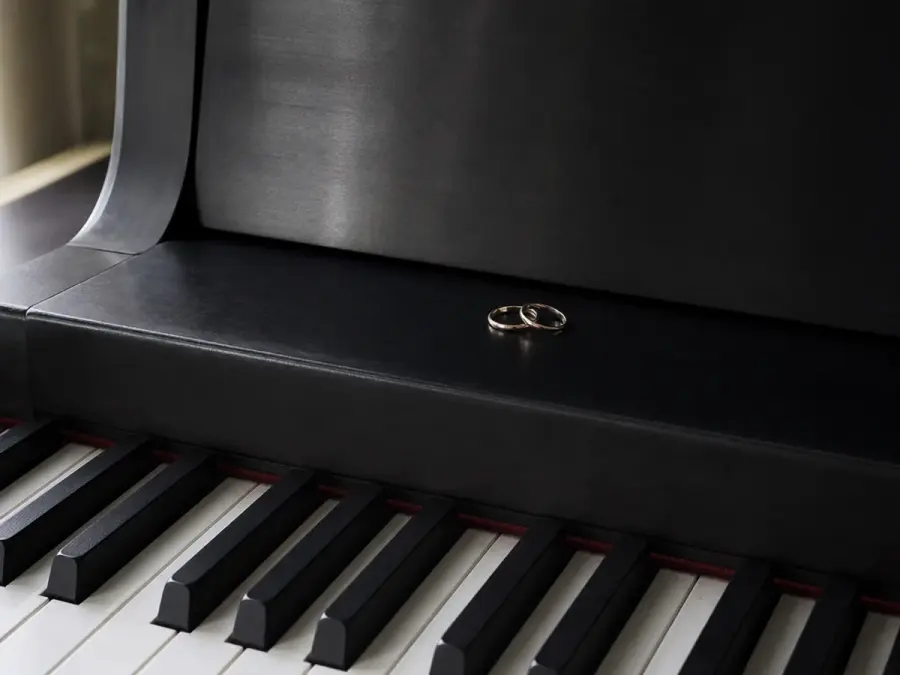
Legend's piano-led ballad became a modern first-dance standard because its arrangement leaves room for a couple rather than demanding spectacle.
That ubiquity can be either comforting or too familiar. A short edit may help nervous dancers, but any cut should preserve a musically complete arc.

11. 'Better Together' — Jack Johnson — 11. 'Better Together' — Jack Johnson
The acoustic texture suits backyard, beach and small-room weddings where intimacy matters more than a dramatic drop. Its conversational scale makes a first dance feel unforced.
In a large ballroom, however, the arrangement may need careful reinforcement or a band interpretation to avoid disappearing into crowd noise.
12. 'A Thousand Years' — Christina Perri — 12. 'A Thousand Years' — Christina Perri
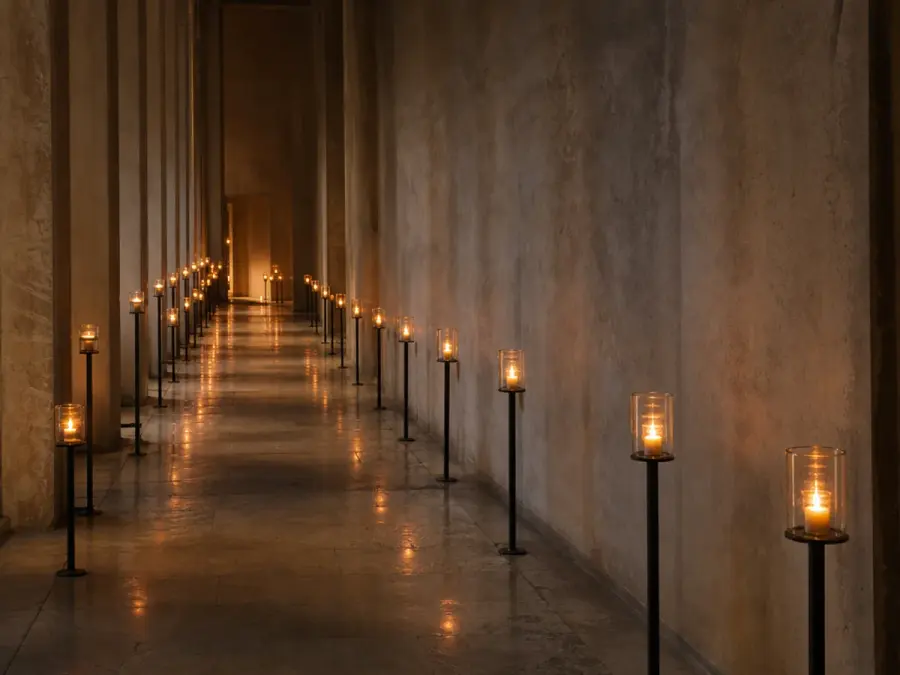
A spacious opening and cinematic build suit a long aisle or choreographed first dance. The recording's association with a film franchise may delight some couples and distract others, so context matters.
It rewards a venue with enough time and acoustic control for the gradual rise to land.
13. 'Thinking Out Loud' — Ed Sheeran — 13. 'Thinking Out Loud' — Ed Sheeran
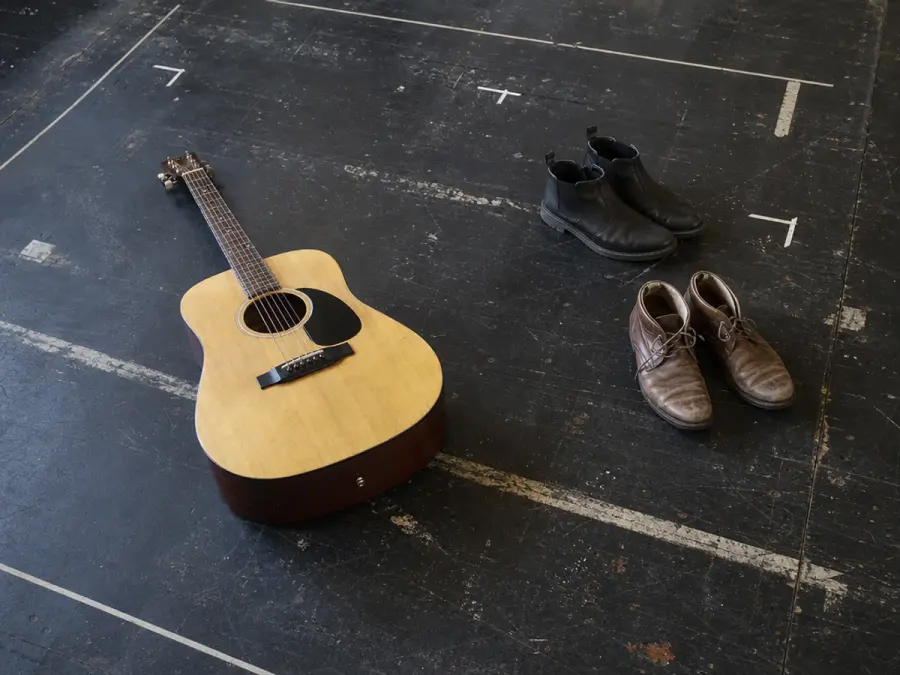
The slow pulse and prominent guitar make the recording easy to choreograph and recognizable within seconds.
That usefulness drove heavy wedding exposure, which can make it feel borrowed rather than personal. Choose it because the complete song fits, not because a checklist demands a recent ballad.
14. 'Marry You' — Bruno Mars — 14. 'Marry You' — Bruno Mars
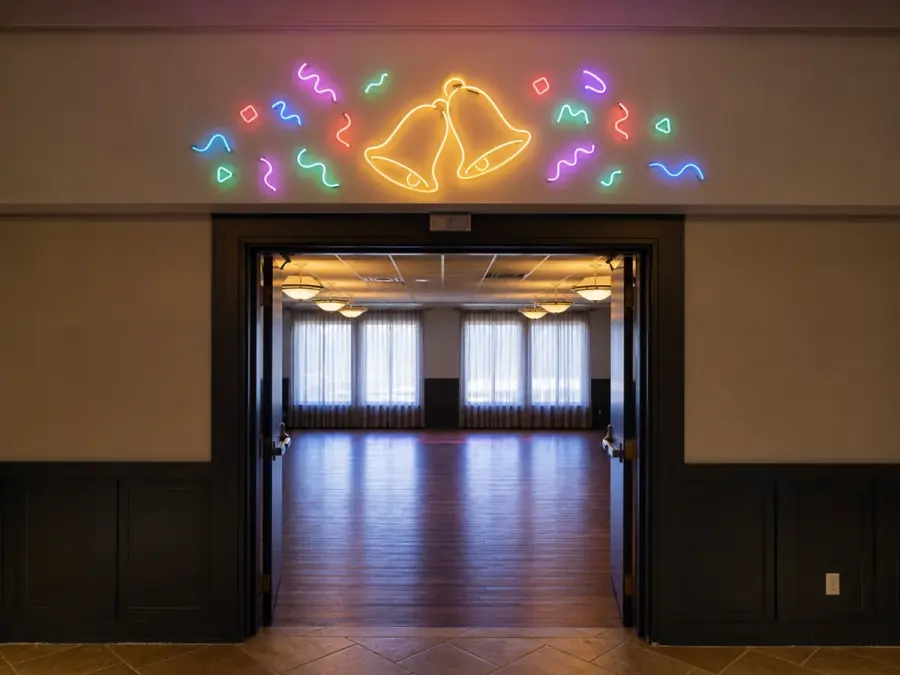
The title makes the event connection obvious, and the brisk retro-pop arrangement can power a playful entrance.
Listening past the hook is essential because the carefree premise may not match a carefully considered ceremony. It works best as knowingly light reception programming rather than vow music.

15. 'I Wanna Dance with Somebody' — Whitney Houston — 15. 'I Wanna Dance with Somebody' — Whitney Houston
Houston's performance is an undeniable late-reception release: bright, demanding and instantly communal. It ranks fifteenth only because it is a dance-floor selection rather than a full-day utility player.
Save it for a room ready to answer the energy; played too early, it creates a peak the next songs must chase.
Featured galleries







































































































































































































































































































































































































































































