Why 'Cursed Shrek' Images Feel So Uncanny: 15 Visual Tricks
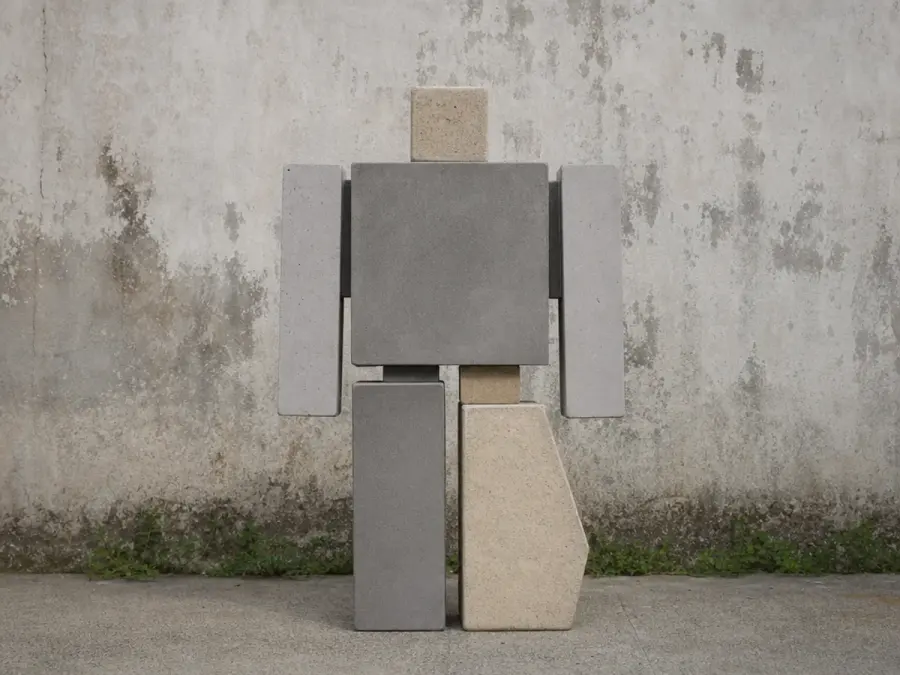
1. Familiar Proportions, One Impossible Change — 1. Familiar Proportions, One Impossible Change
The strongest cursed image usually keeps enough of a known silhouette to trigger recognition, then violates one structural expectation: the face is too small, the limbs too long or the posture physically implausible.
The brain identifies the template and rejects the geometry almost simultaneously.
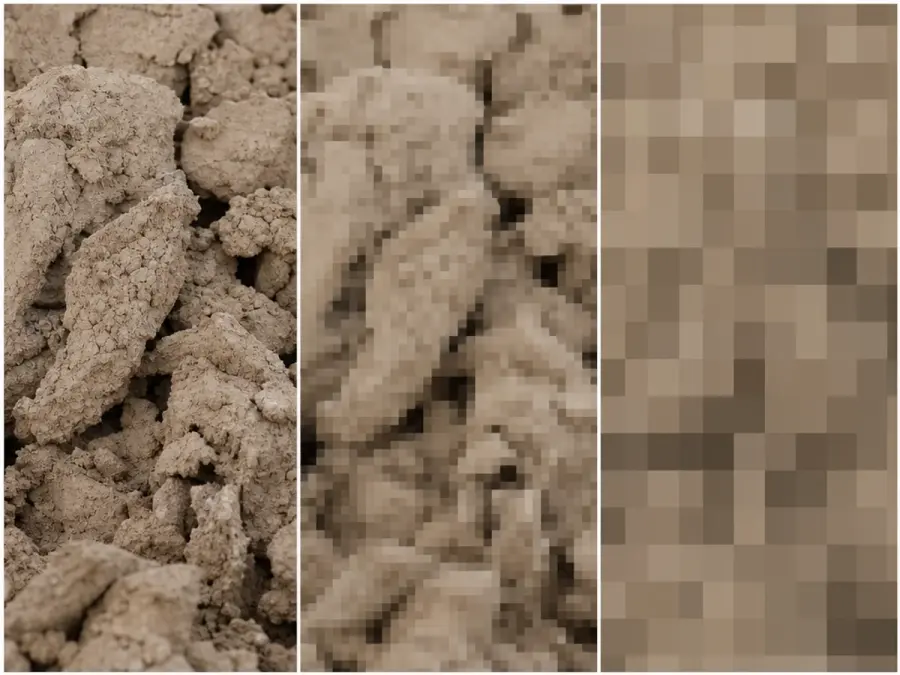
2. The Low-Resolution Close-Up — 2. The Low-Resolution Close-Up
Compression can turn ordinary texture into a threatening surface. A crop pushed far beyond its source resolution loses context while block edges invent new expressions.
The result feels intimate and unreadable at once—the digital equivalent of standing too close to a printed billboard.
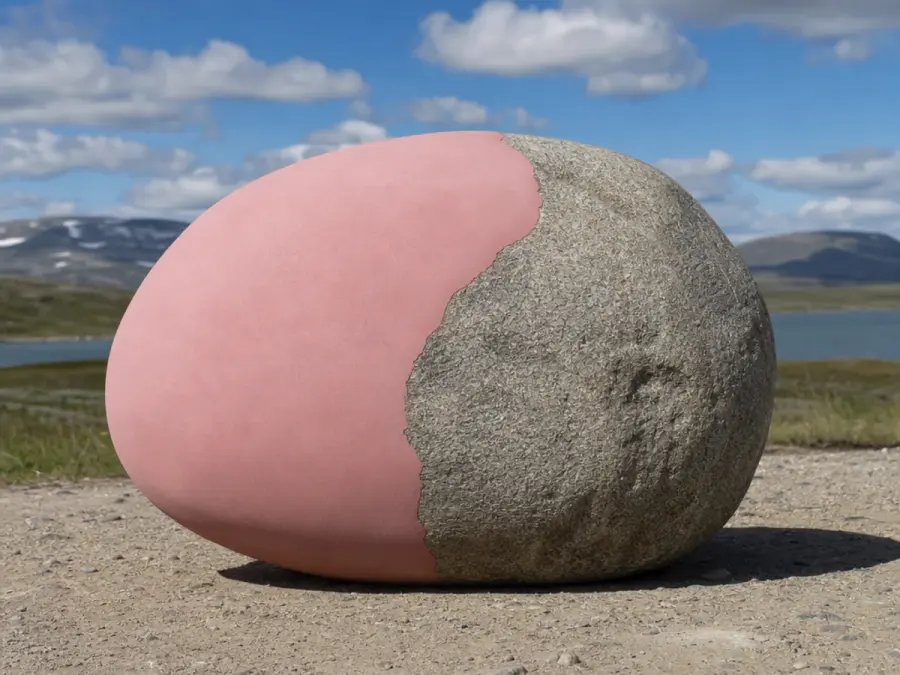
3. Photoreal Texture on a Cartoon Shape — 3. Photoreal Texture on a Cartoon Shape
Stylized animation asks viewers to accept simplified skin, hair and fabric. Replacing those surfaces with pores, wet fibers or harsh photographic detail creates a category collision.
The shape says fantasy; the texture says documentary evidence. That mismatch is more unsettling than either style alone.
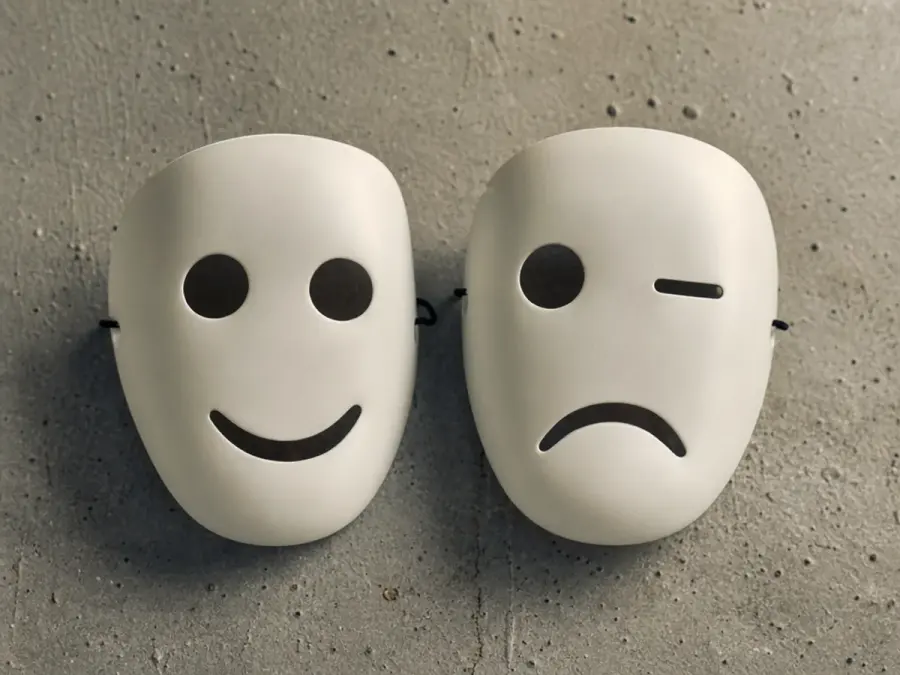
4. A Smile That Ignores the Eyes — 4. A Smile That Ignores the Eyes
Internet edits often widen a mouth while leaving the rest of the face emotionally still. Humans read expression as a coordinated system, so contradictory signals feel wrong.
The mechanism works on any portrait; rights-safe illustration should demonstrate it with simple masks, not a recognizable character.
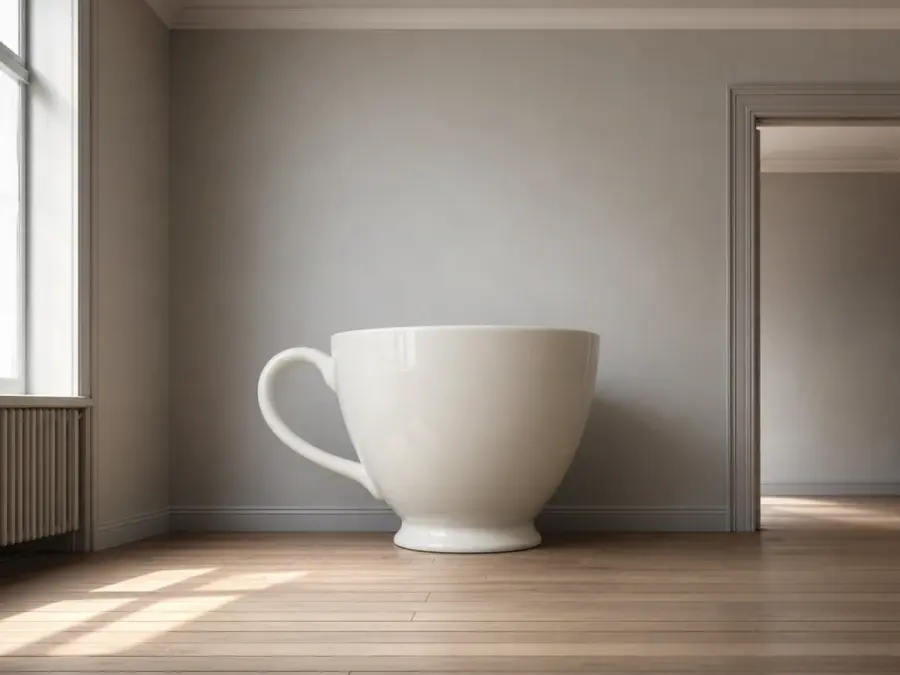
5. The Wrong Object at the Wrong Scale — 5. The Wrong Object at the Wrong Scale
A tiny household object made monumental—or a large object reduced to a handheld trinket—breaks the invisible measurement system of a scene.
Cursed edits use this efficiently because no character modification is necessary. The world itself becomes unreliable through one scale cue.
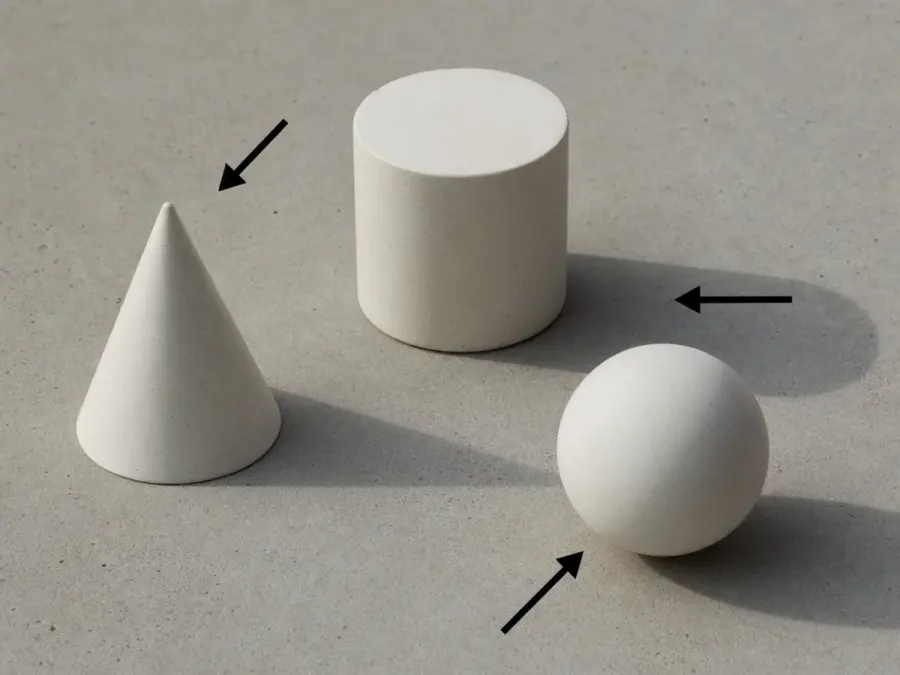
6. Lighting From a Different Universe — 6. Lighting From a Different Universe
A subject lit by flat studio light pasted into a moonlit environment never fully belongs. Shadows point the wrong way, edges glow and color temperature conflicts.
The joke can be crude, but it exposes how strongly viewers use light—not outlines alone—to decide whether an image coheres.
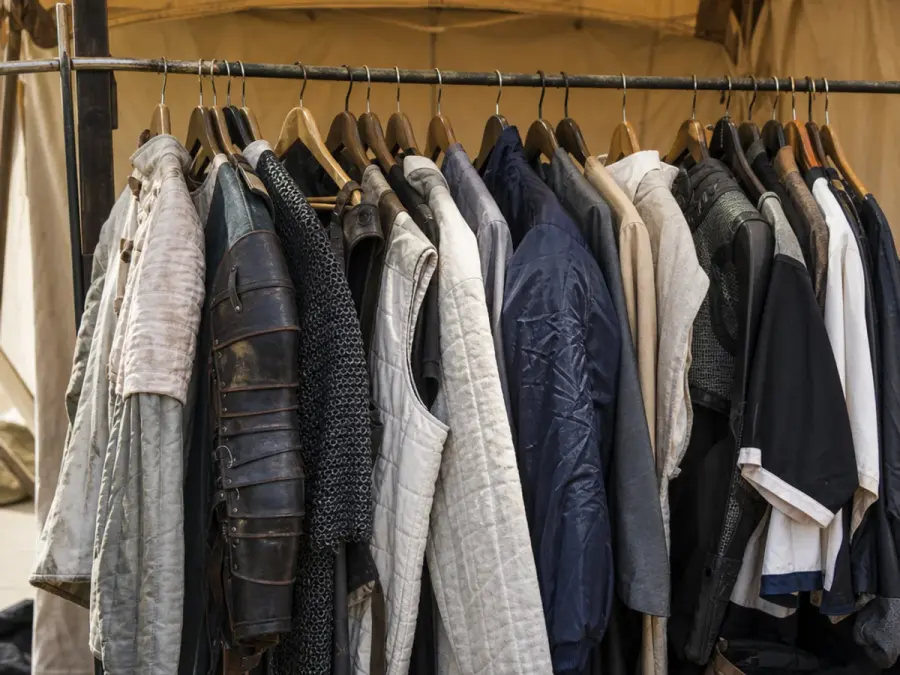
7. The Almost-Correct Costume — 7. The Almost-Correct Costume
Bootleg-looking images often assemble generic elements that gesture toward a costume while getting shape, fabric and placement subtly wrong. Recognition survives, accuracy does not.
Because exact costume recreation would create another derivative image, the safe demonstration is a rack of deliberately incompatible anonymous garments.

8. Corporate Clip Art Meets Fantasy — 8. Corporate Clip Art Meets Fantasy
One layer looks like expressive fantasy art; another resembles a generic office presentation icon.
The tonal downgrade can be funnier than a sophisticated edit because it flattens personality into a business symbol. The visual language is instantly public-facing and emotionally vacant.
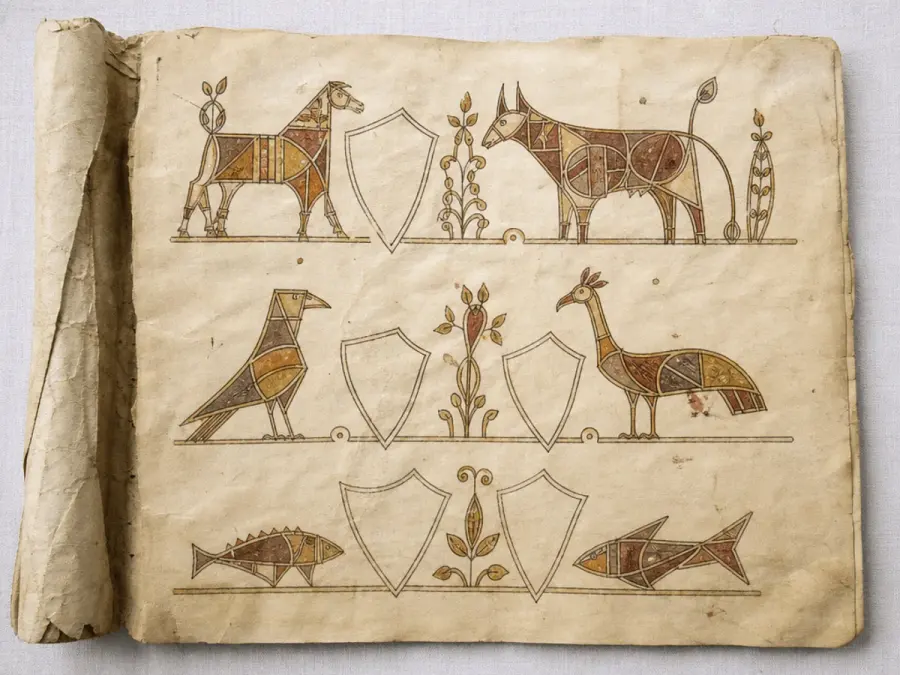
9. Medieval Manuscript Logic — 9. Medieval Manuscript Logic
Placing modern pop-cultural behavior into flattened manuscript composition creates deliberate historical mismatch. Margins, scale and gesture obey older visual conventions, while the viewer supplies contemporary context.
A safe version can parody the medium with invented animals and blank shields rather than adapting franchise characters.
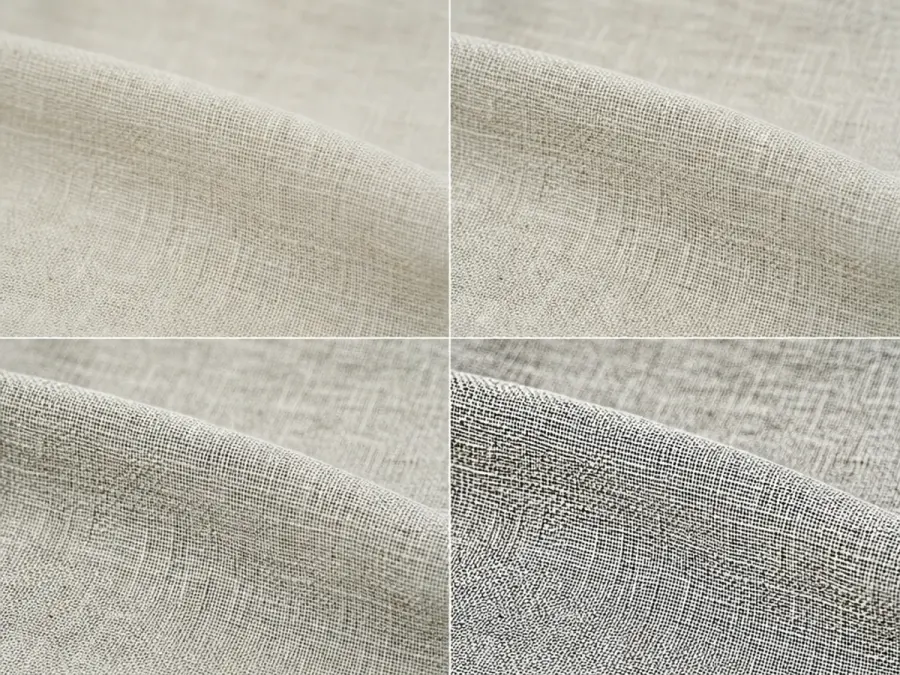
10. Over-Sharpening Until Every Edge Shouts — 10. Over-Sharpening Until Every Edge Shouts
Aggressive sharpening draws bright and dark halos around boundaries. Hair, wrinkles and fabric stop behaving like materials and become a field of tiny outlines.
The technique feels 'cursed' because it converts a soft entertainment image into forensic-looking evidence without adding real information.
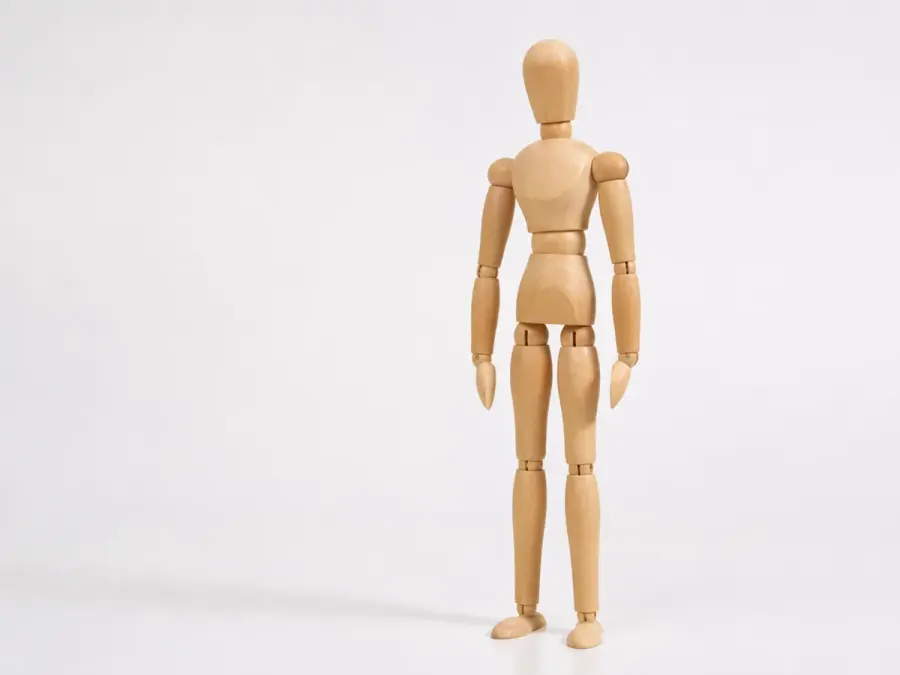
11. Empty Background, Unexplained Pose — 11. Empty Background, Unexplained Pose
Context normally tells viewers whether a gesture is action, greeting or reaction. Remove the environment and a perfectly ordinary pose can become an inexplicable specimen.
Cursed imagery often intensifies that isolation with a featureless white or black field and an awkward amount of empty space.
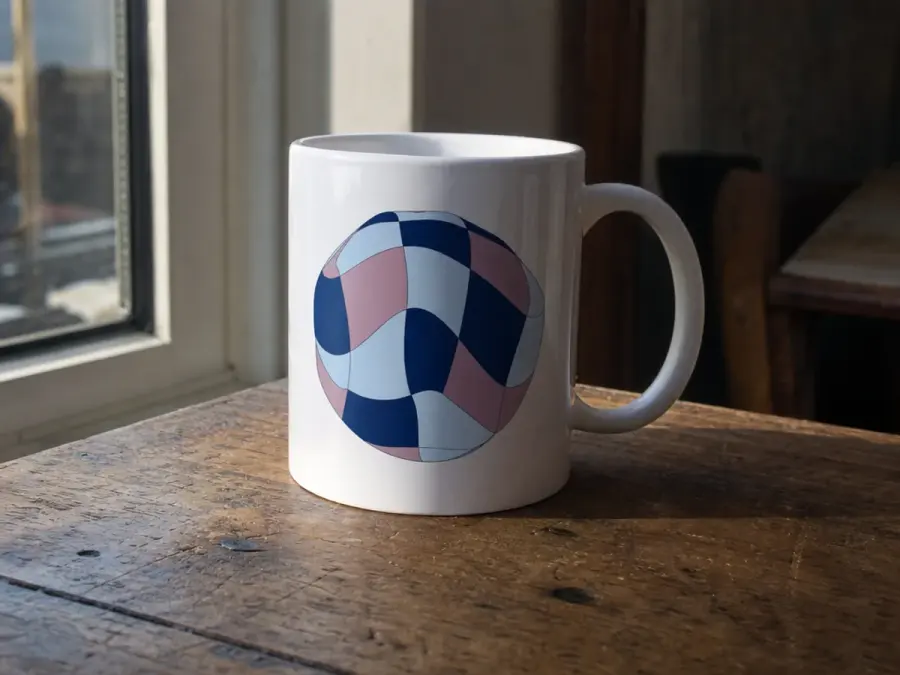
12. The Image That Looks Like Unlicensed Merchandise — 12. The Image That Looks Like Unlicensed Merchandise
A poorly translated design printed on an unrelated object feels as though it escaped quality control. Distortion from curved surfaces and low-resolution printing compounds the strangeness.
Rights-safe critique should use invented symbols on a generic object, not photograph bootleg merchandise or reproduce its infringement.
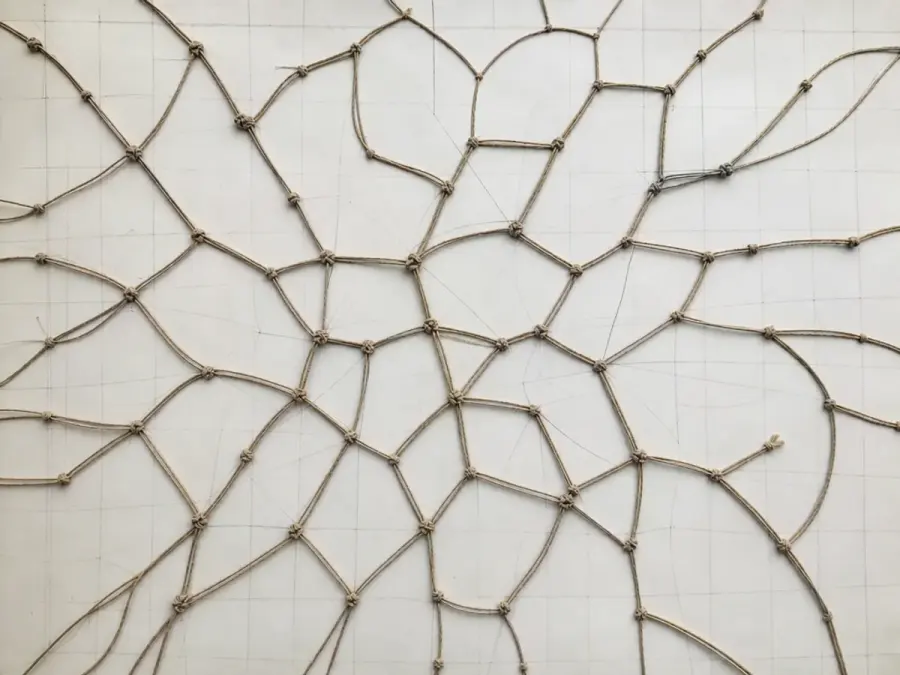
13. Generative Anatomy That Never Resolves — 13. Generative Anatomy That Never Resolves
AI-generated derivatives can produce surfaces that look detailed from afar but fail under inspection: fingers merge, accessories become body parts and repeated patterns mutate.
The problem is not mystical; it is inconsistent structure. This article critiques that failure without commissioning a franchise lookalike to demonstrate it.
14. A Caption That Rewrites the Entire Image — 14. A Caption That Rewrites the Entire Image
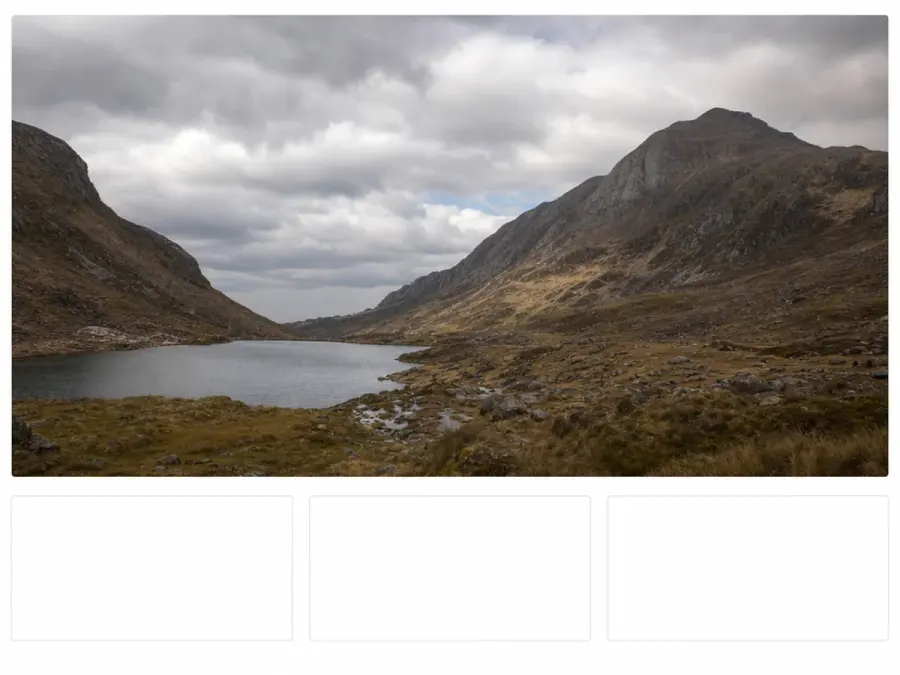
Sometimes the pixels are ordinary and the 'curse' arrives through a caption claiming a disturbing context. Text changes interpretation faster than an edit.
Because copied captions and meme templates are protected expression, a safe analysis uses blank caption boxes and explains the mechanism without supplying a substitute joke.
15. Recognition With No Single Source — 15. Recognition With No Single Source
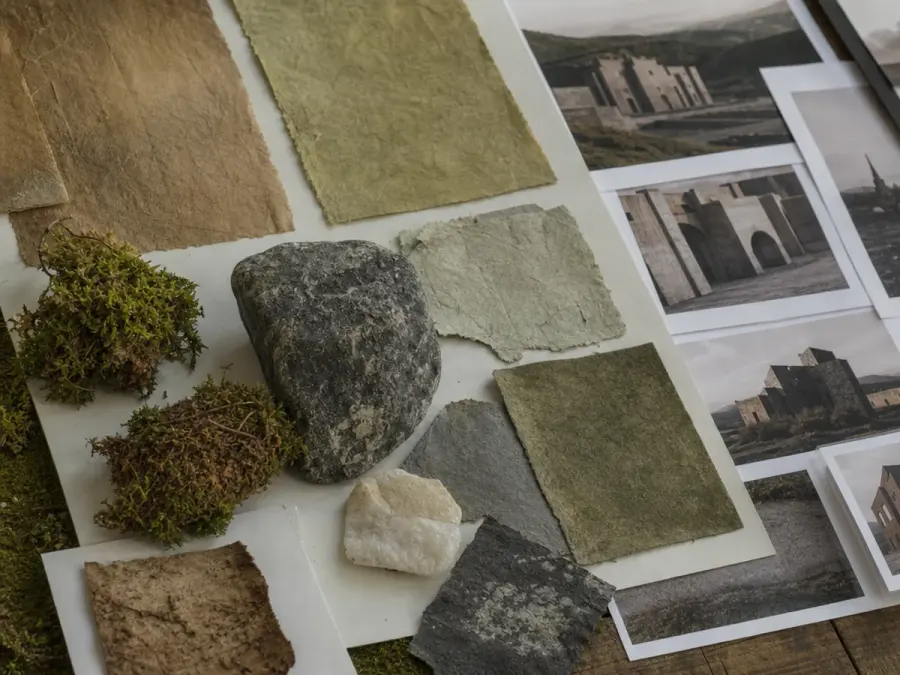
The most context-dependent images evoke a franchise through a loose bundle of swamp color, fairy-tale architecture and comic grotesque, yet do not correspond to one frame.
That ambiguity can feel like a half-remembered dream. It is also where a new image must avoid drifting into unauthorized character imitation.
Featured galleries







































































































































































































































































































































































































































































