15 Wii Games That Made Motion Play Feel Distinct
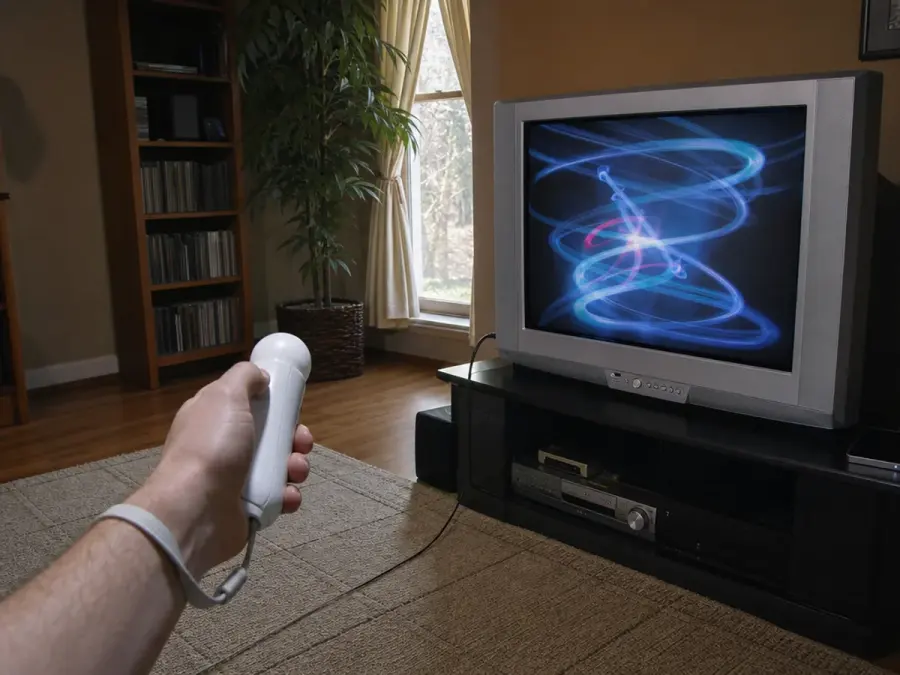
A Controller You Could Explain With a Gesture — A Controller You Could Explain With a Gesture
Wii games made physical demonstration part of learning. A swing, point, tilt, or shake could communicate an idea before a menu did, while the strongest designs paired that immediacy with deeper structure.
A Controller You Could Explain With a Gesture is one of the hj featured in this gallery.
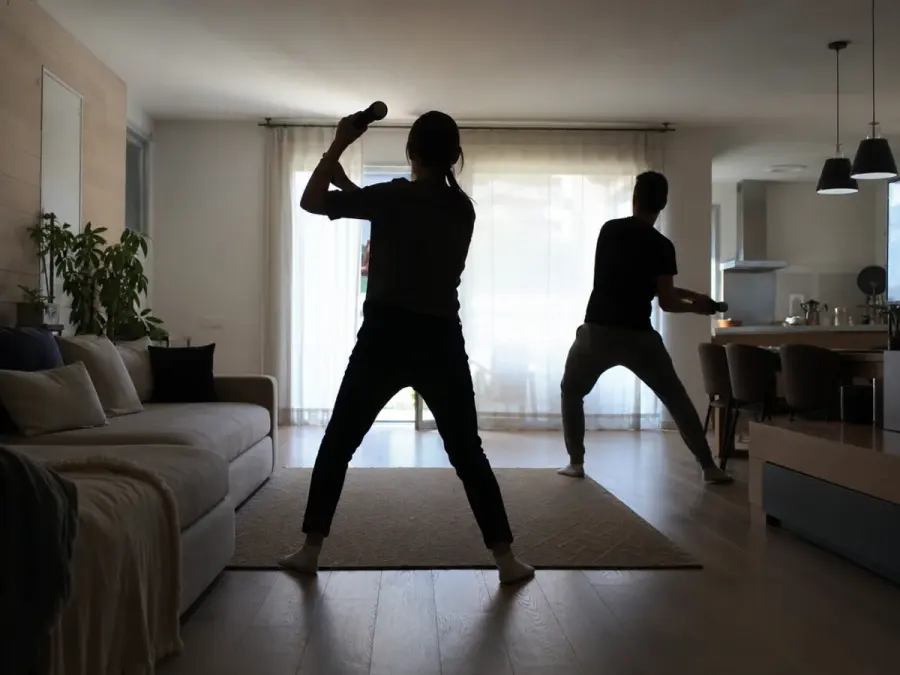
Wii Sports — The Shared Demonstration — Wii Sports — The Shared Demonstration
Bowling, tennis, baseball, boxing, and golf translate familiar motions into quick living-room competition.
The appeal is less simulation than conversation: one person can show the next player what to do in seconds.
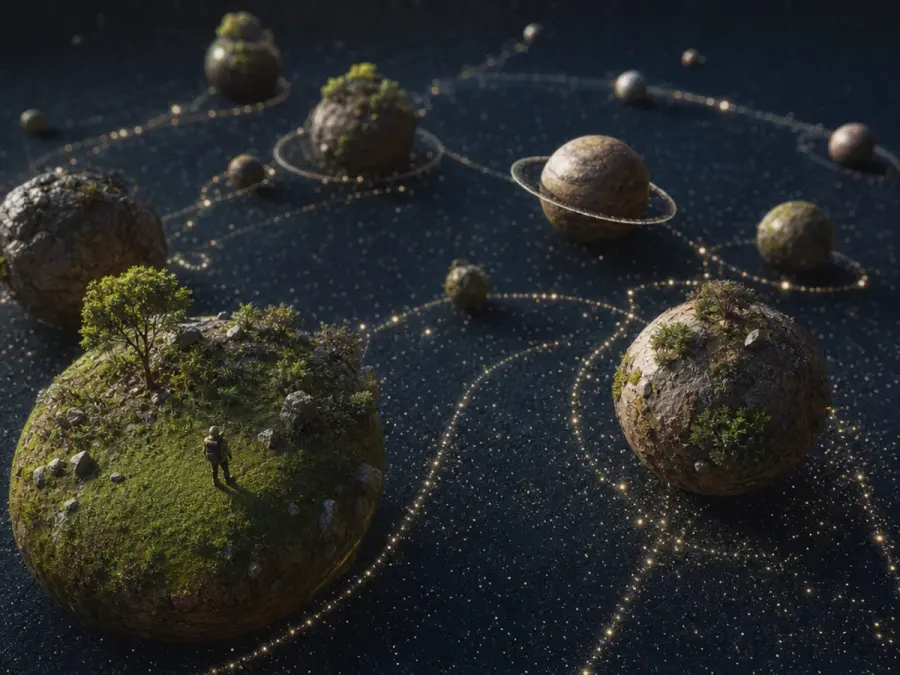
Super Mario Galaxy — Gravity as a Playground — Super Mario Galaxy — Gravity as a Playground
Small planets turn running and jumping into curved routes where the floor can become a wall or ceiling.
Motion controls add quick gestures and pointer collection without overwhelming the precise platforming underneath.
Twilight Princess — A Familiar Adventure Reframed — Twilight Princess — A Familiar Adventure Reframed
Pointer aiming and gesture attacks make a traditional adventure feel physically closer without rebuilding every system around motion.
The result shows how a new controller can adjust emphasis while preserving a large, carefully paced world.
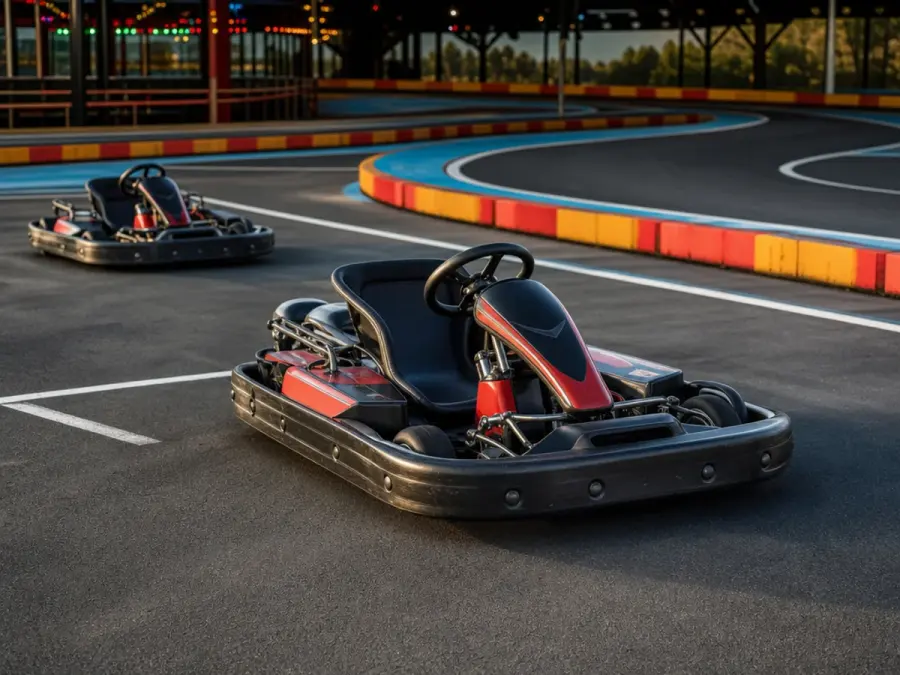
Mario Kart Wii — Motion as an Invitation — Mario Kart Wii — Motion as an Invitation
The wheel shell gave new players an obvious way to understand steering, while experienced racers could choose other control styles.
Broad online play and dramatic items made each race feel social and unpredictable.
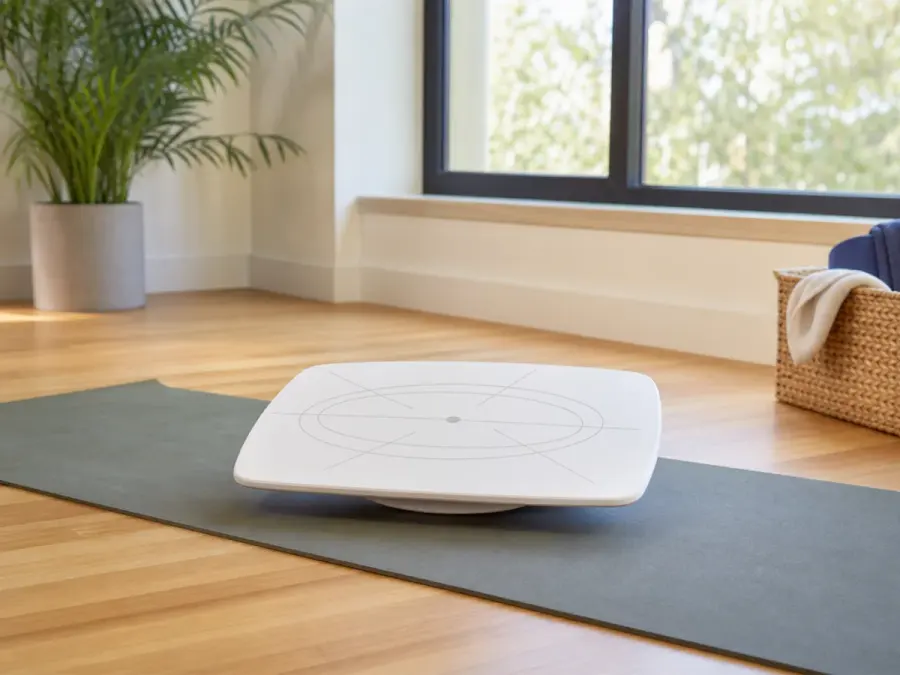
Wii Fit — Balance Becomes Input — Wii Fit — Balance Becomes Input
Shifting weight turns posture into a measurable control surface.
The activities range from gentle balance challenges to exercise routines, making the body part of the interface in a way distinct from swinging a handheld controller.
Metroid Prime 3 — Pointer Precision in First Person — Metroid Prime 3 — Pointer Precision in First Person
Aiming with the remote makes scanning, shooting, and looking feel direct, while gestures are reserved for specific mechanical actions.
The control scheme gives exploration and combat a different rhythm from dual-stick shooters.
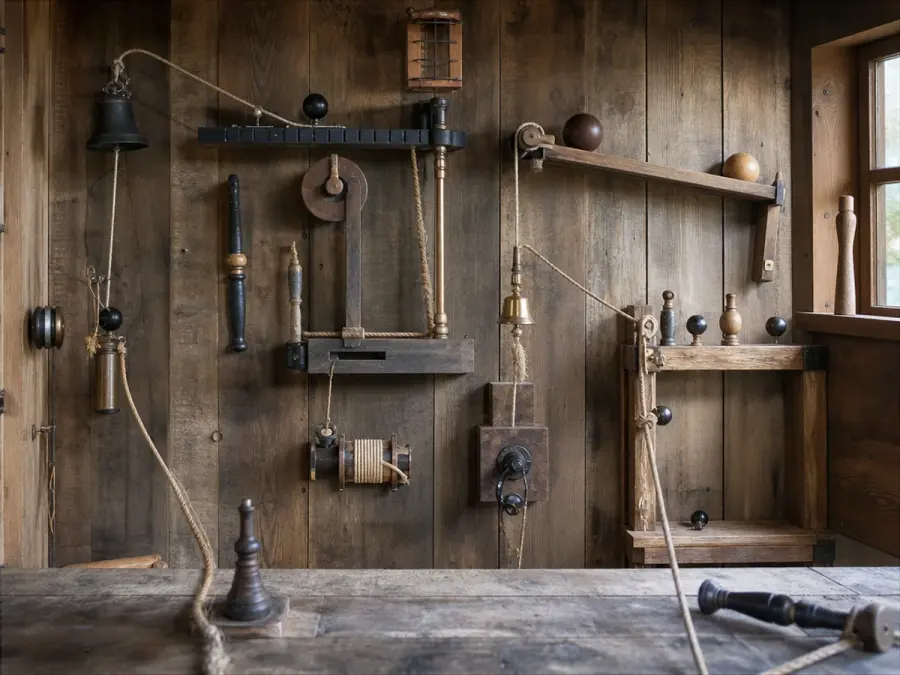
Zack & Wiki — Gestures as Puzzle Verbs — Zack & Wiki — Gestures as Puzzle Verbs
Turning handles, ringing bells, sawing wood, and manipulating tools transform gestures into a vocabulary for problem solving.
The comedy comes from testing how ordinary motions might interact with an exaggerated puzzle world.
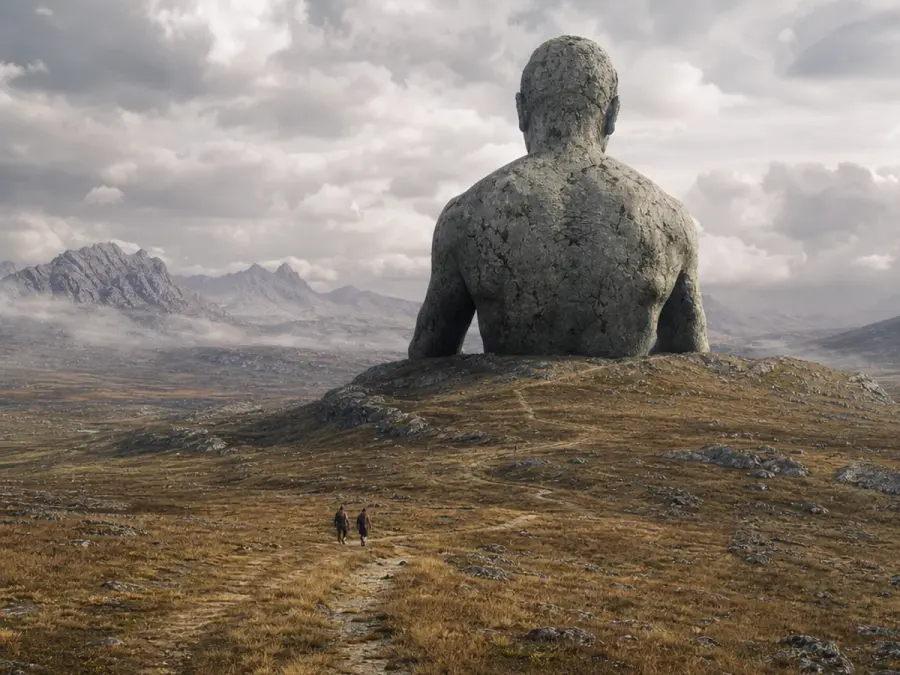
Xenoblade Chronicles — A World Bigger Than the Gimmick — Xenoblade Chronicles — A World Bigger Than the Gimmick
Wide landscapes, linked combat roles, and long-form exploration demonstrate that the console could support a traditional epic.
Motion is not the defining feature here; scale, systems, and a strong sense of journey are.
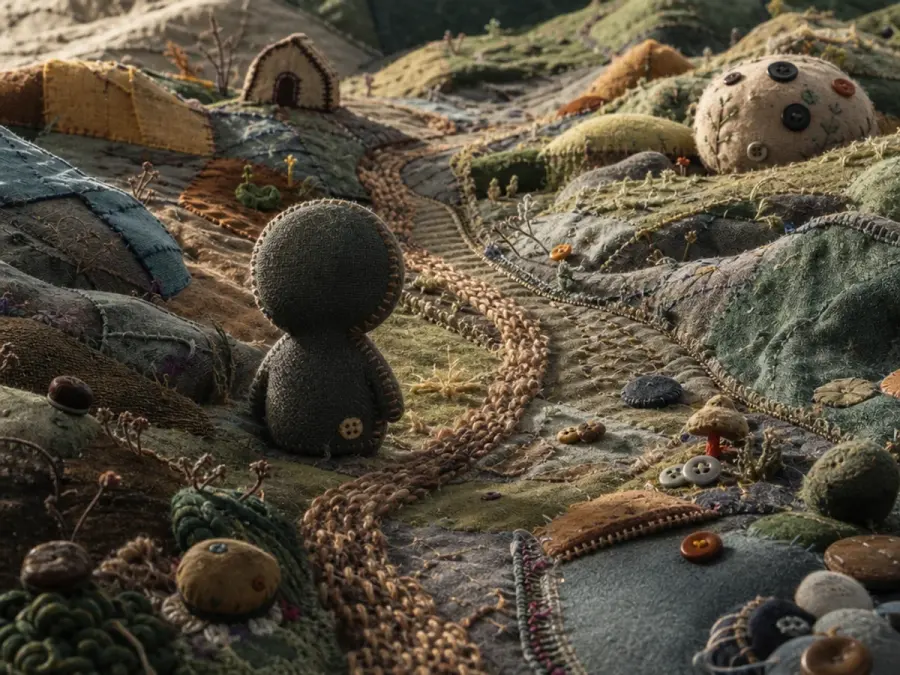
Kirby's Epic Yarn — Material Shapes the Rules — Kirby's Epic Yarn — Material Shapes the Rules
Fabric, thread, zippers, and buttons become both visual language and game mechanics.
The soft presentation makes transformations readable, showing how one strong material idea can organize an entire platform adventure.

Donkey Kong Country Returns — Physical Rhythm — Donkey Kong Country Returns — Physical Rhythm
Rolling, pounding, grabbing, and cooperative movement give the platforming a forceful cadence.
Motion gestures amplify those actions while carefully placed hazards keep the game grounded in timing rather than novelty alone.
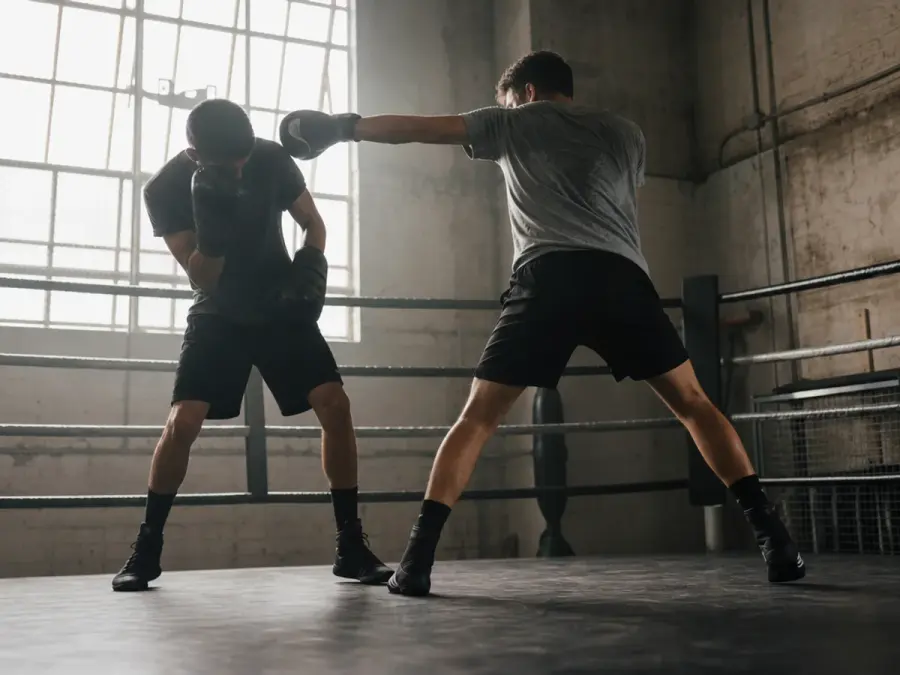
Punch-Out!! — Reading Before Reacting — Punch-Out!! — Reading Before Reacting
Opponents communicate attacks through posture, timing, and exaggerated preparation.
Dodging and countering feel physical, but success depends on observation and pattern recognition more than uncontrolled movement.
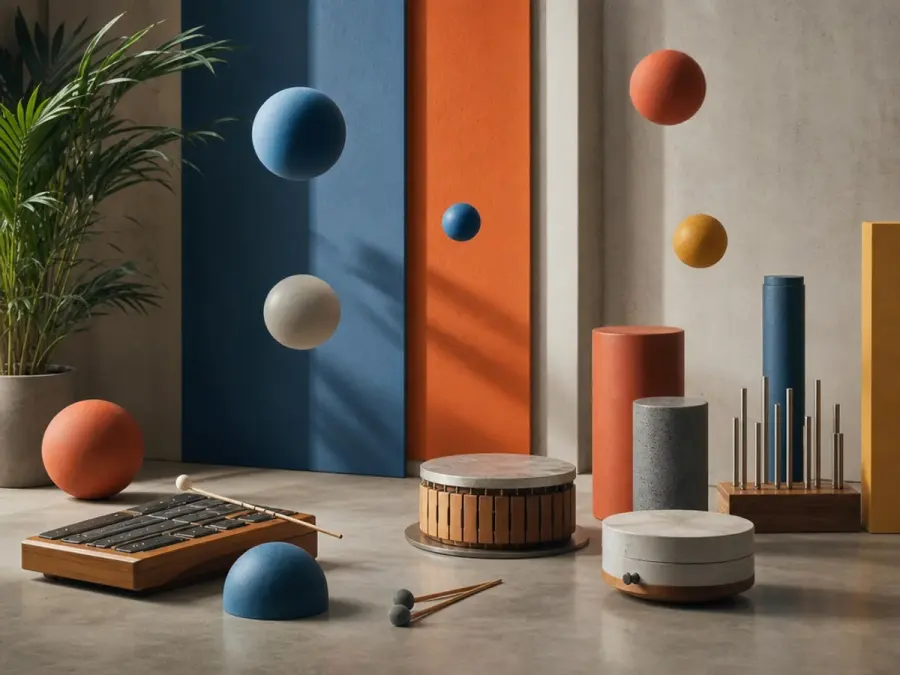
Rhythm Heaven Fever — Timing With Restraint — Rhythm Heaven Fever — Timing With Restraint
Simple inputs place nearly all attention on sound, anticipation, and comic timing.
The game proves that a motion-capable console did not require large gestures; a tiny action could support an entire musical joke.
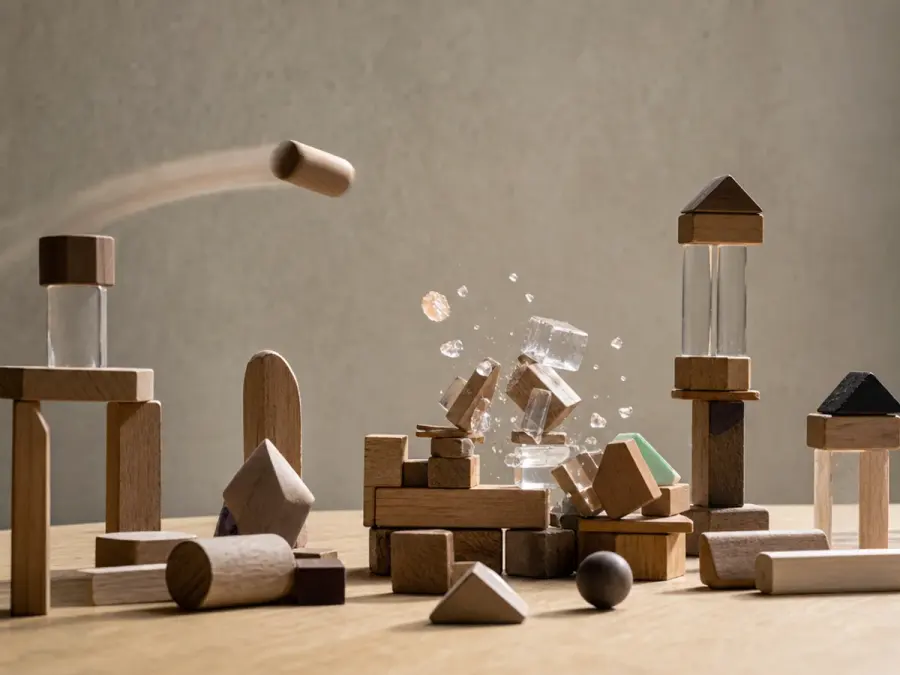
Boom Blox — Throwing at a Digital Table — Boom Blox — Throwing at a Digital Table
Pointing and throwing give block puzzles an immediate physical logic.
Different materials and objectives turn one simple action into careful extraction, demolition, and competitive improvisation around a shared screen.
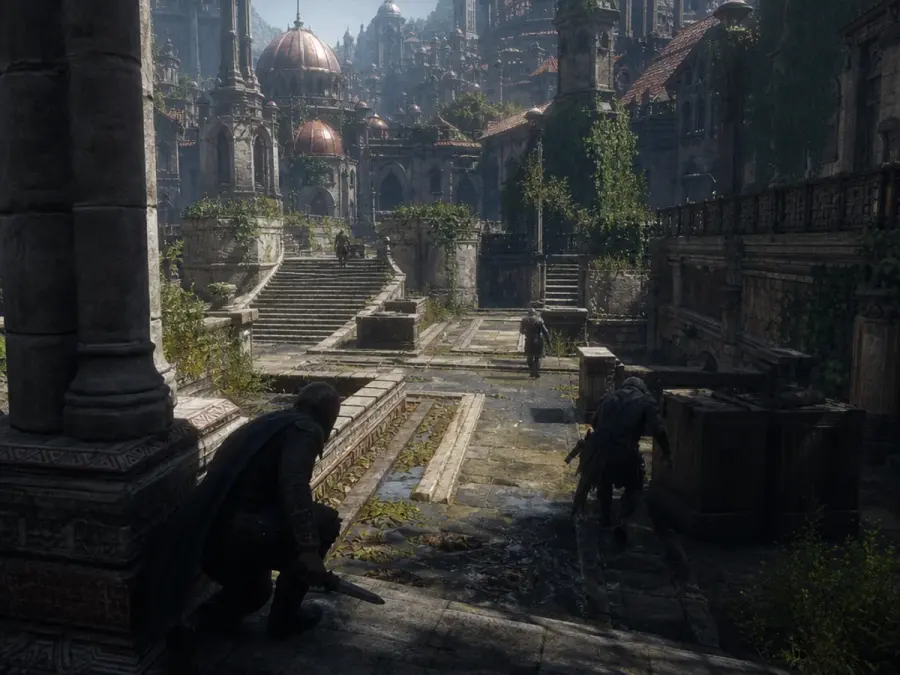
The Last Story — Focused Fantasy Action — The Last Story — Focused Fantasy Action
Cover, targeting, party commands, and compact environments create a role-playing game with unusual tactical momentum.
Its strengths come from how systems overlap, offering another example of the Wii supporting ambitious traditional play.
Featured galleries







































































































































































































































































































































































































































































