15 Women's Basketball Greats and Their Lasting Impact

Many Different Ways to Change the Game — Many Different Ways to Change the Game
Basketball greatness can mean a dominant peak, sustained excellence, tactical influence, leadership, or making a league more visible.
This guide emphasizes distinct contributions rather than forcing different eras into one numerical ranking.
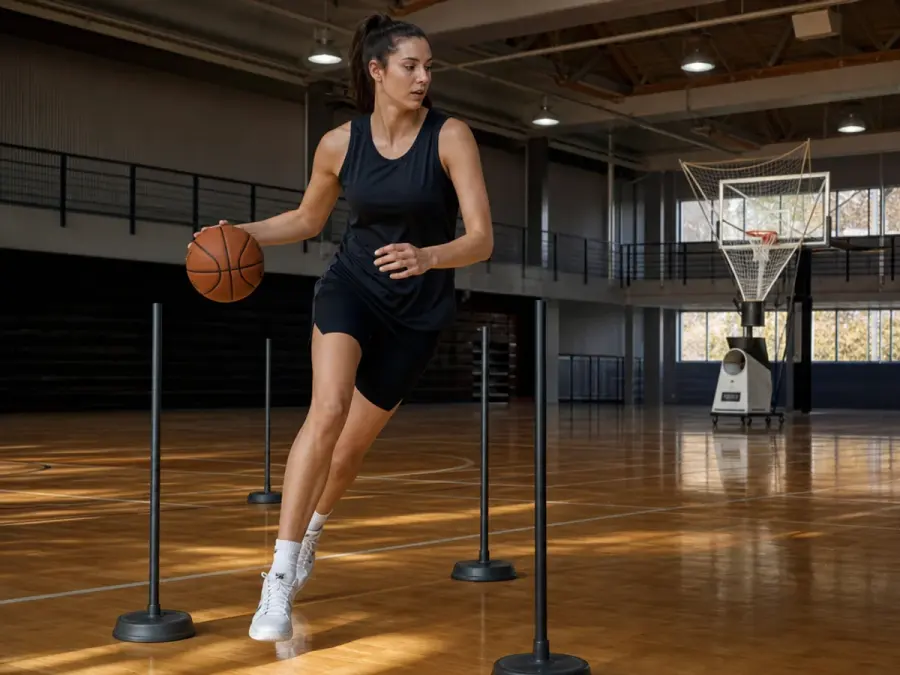
Lisa Leslie — Making Center Play Look Complete — Lisa Leslie — Making Center Play Look Complete
Leslie combined interior scoring, rebounding, defense, mobility, and a polished public presence.
Her play helped establish the image of a franchise center who could dominate games while carrying a growing league's visibility.
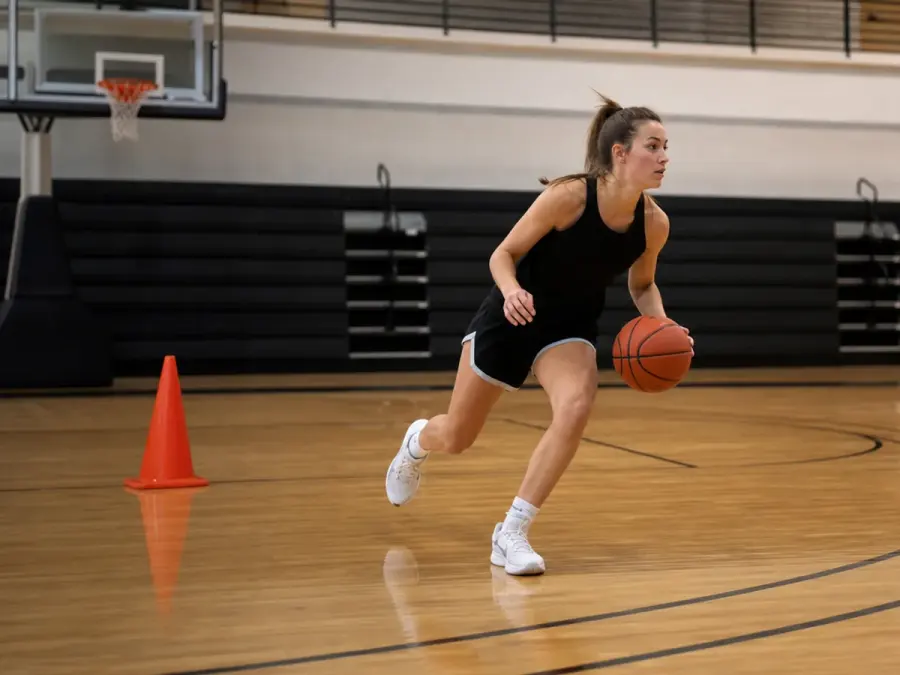
Sheryl Swoopes — Two-Way Authority — Sheryl Swoopes — Two-Way Authority
Swoopes could create offense while setting an elite defensive tone.
That combination made her a model for wings whose value is not captured by scoring alone: pressure, anticipation, and versatility change every matchup.
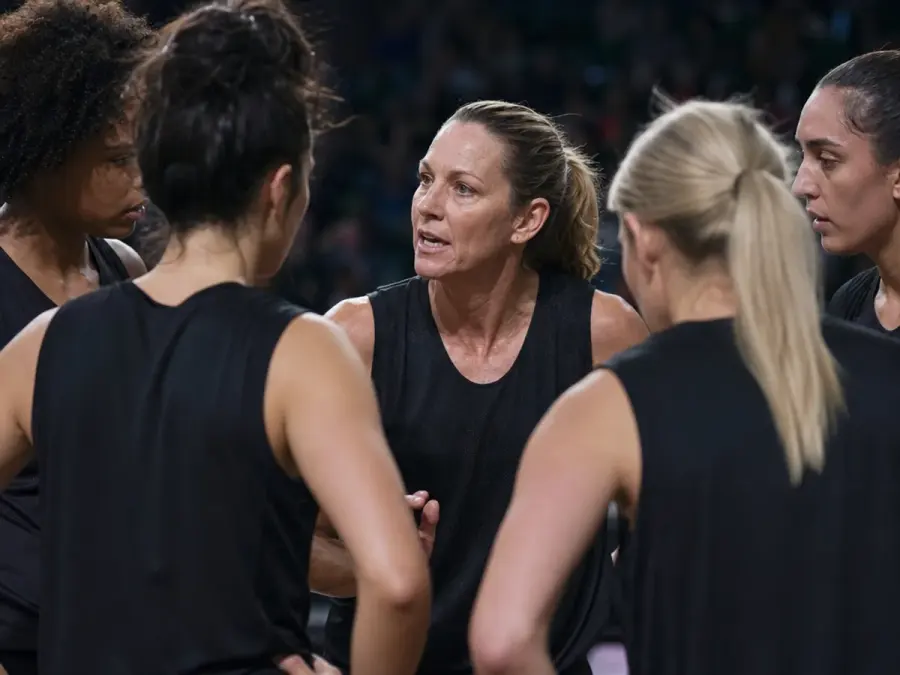
Cynthia Cooper — A Champion's Late Spotlight — Cynthia Cooper — A Champion's Late Spotlight
Cooper entered the WNBA with years of professional experience and immediately defined its first championship era.
Her story challenged assumptions about athletic timelines and showed how preparation can meet opportunity at the perfect moment.
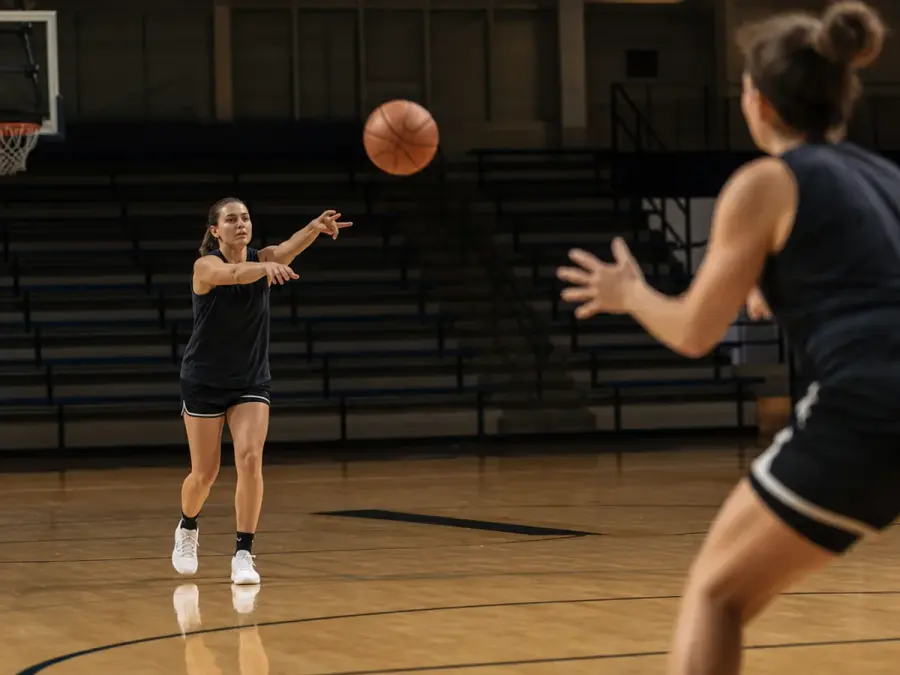
Diana Taurasi — Scoring With Range and Nerve — Diana Taurasi — Scoring With Range and Nerve
Taurasi stretched defenses with deep shooting, creative passing, and confidence in high-pressure possessions.
Her longevity made the same competitive personality visible across generations of teammates and opponents.
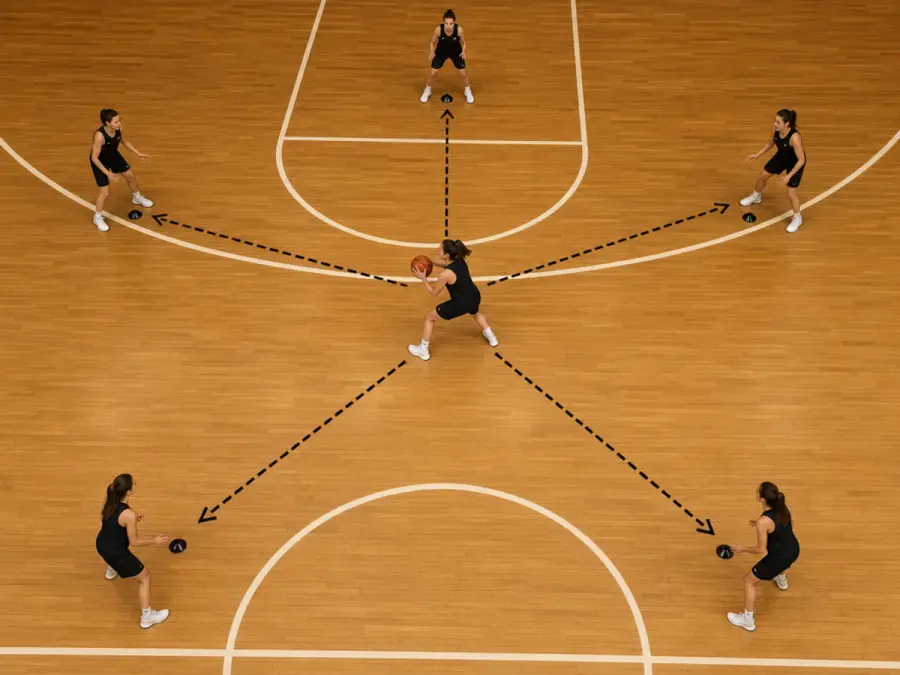
Sue Bird — Organizing the Entire Floor — Sue Bird — Organizing the Entire Floor
Bird's gift was making complex games readable. Pace, spacing, entry angles, and teammate preferences became parts of one organized picture, while her leadership helped sustain winning habits over an unusually long career.
Sue Bird — Organizing the Entire Floor is one of the hj featured in this gallery.
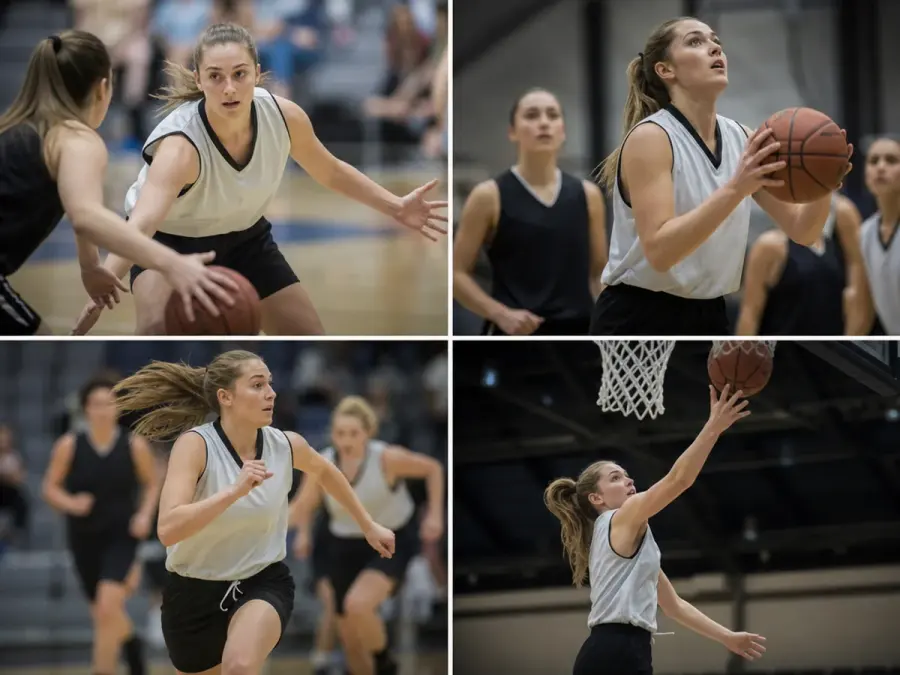
Tamika Catchings — Possession-by-Possession Value — Tamika Catchings — Possession-by-Possession Value
Catchings affected games through defense, rebounding, transition effort, and timely scoring.
Her career is a lesson in cumulative impact: repeated winning plays can matter more than any single signature move.
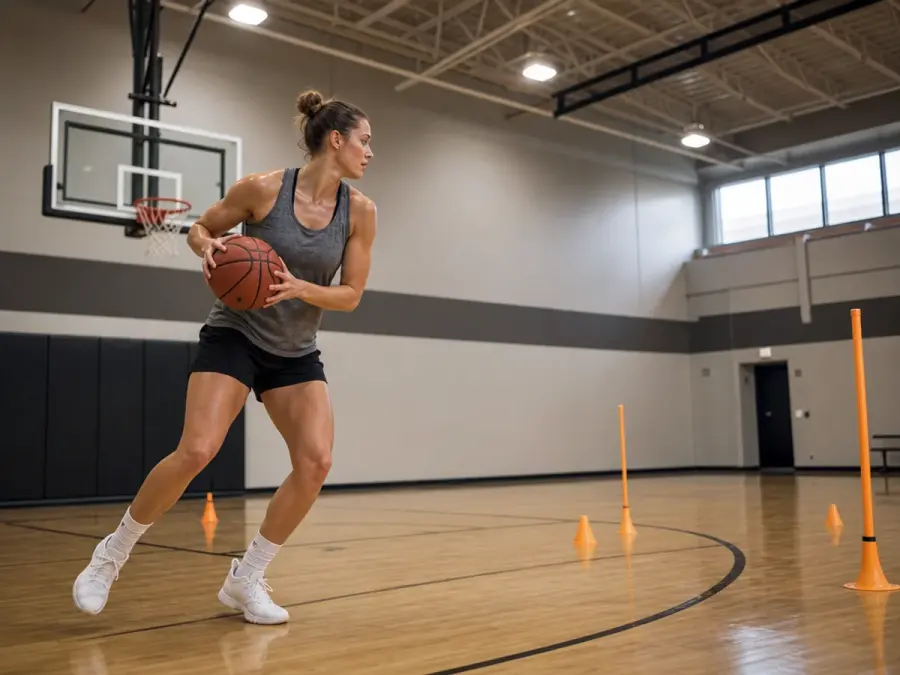
Lauren Jackson — Stretching the Frontcourt — Lauren Jackson — Stretching the Frontcourt
Jackson paired center size with shooting range and face-up skill, creating difficult choices for defenders.
Her international and professional success helped normalize the idea that a dominant frontcourt player could thrive far from the paint.
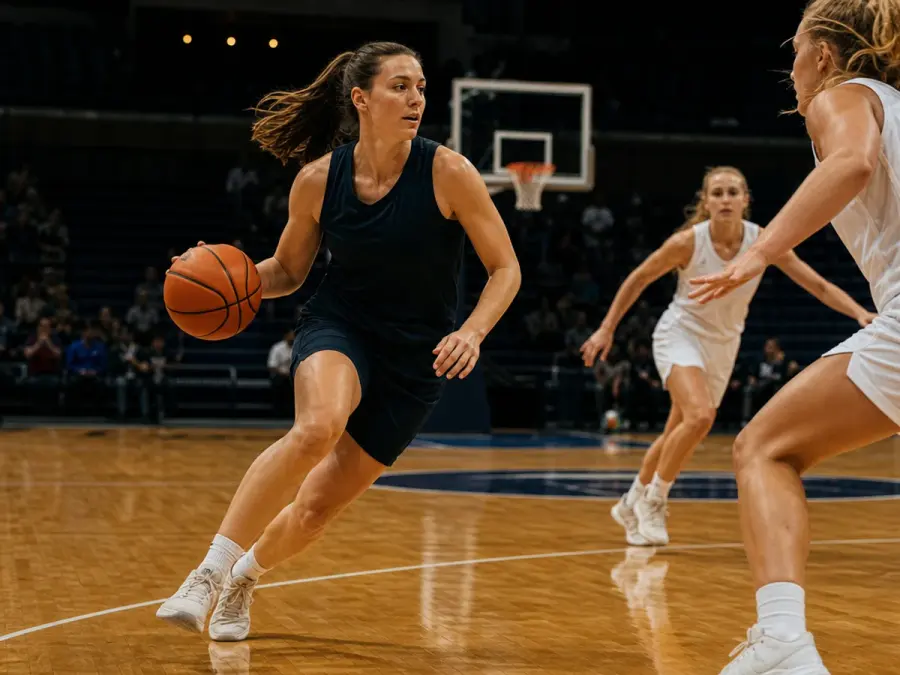
Maya Moore — A Peak Built for Big Moments — Maya Moore — A Peak Built for Big Moments
Moore's balanced scoring, defense, movement, and composure made her effective in almost every game context.
Her career also demonstrated that an athlete's public impact can extend beyond the boundaries of competition.
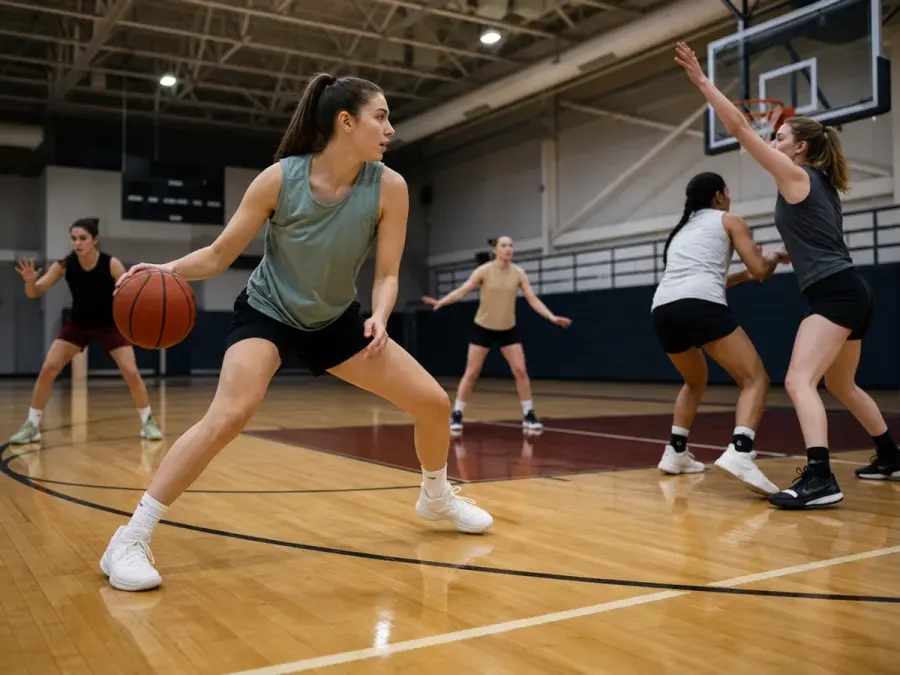
Candace Parker — Positionless Possibility — Candace Parker — Positionless Possibility
Parker could rebound, initiate offense, score inside, face the basket, and read the floor like a guard.
Her versatility helped expand expectations for what a tall player could be asked to do.
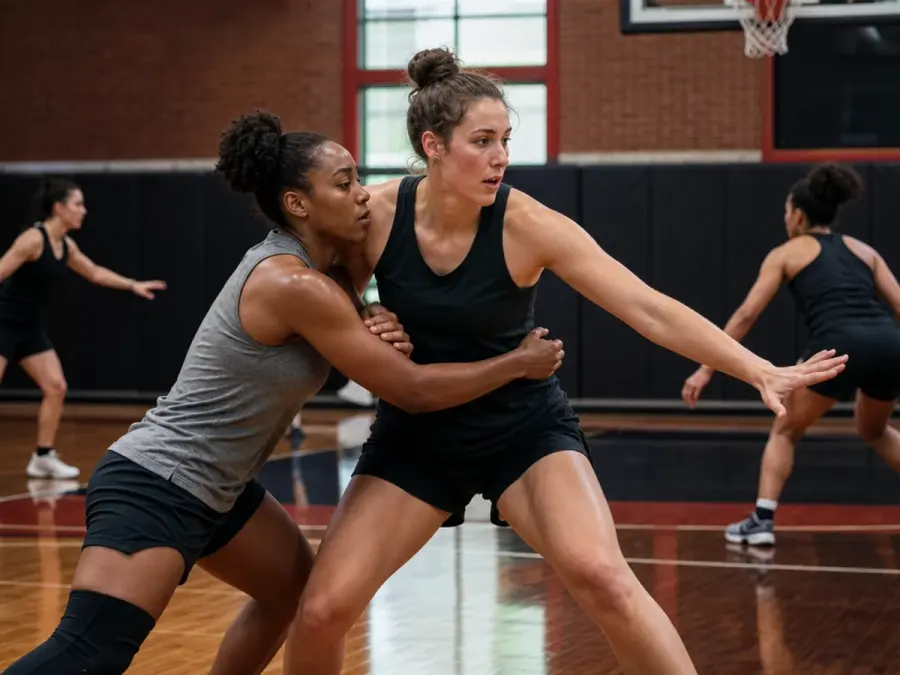
Sylvia Fowles — Efficiency Anchored by Defense — Sylvia Fowles — Efficiency Anchored by Defense
Fowles paired interior scoring efficiency with rebounding and rim protection.
Her game showed the value of doing difficult foundational work repeatedly: screen, seal, defend, recover, and finish without wasting motion.
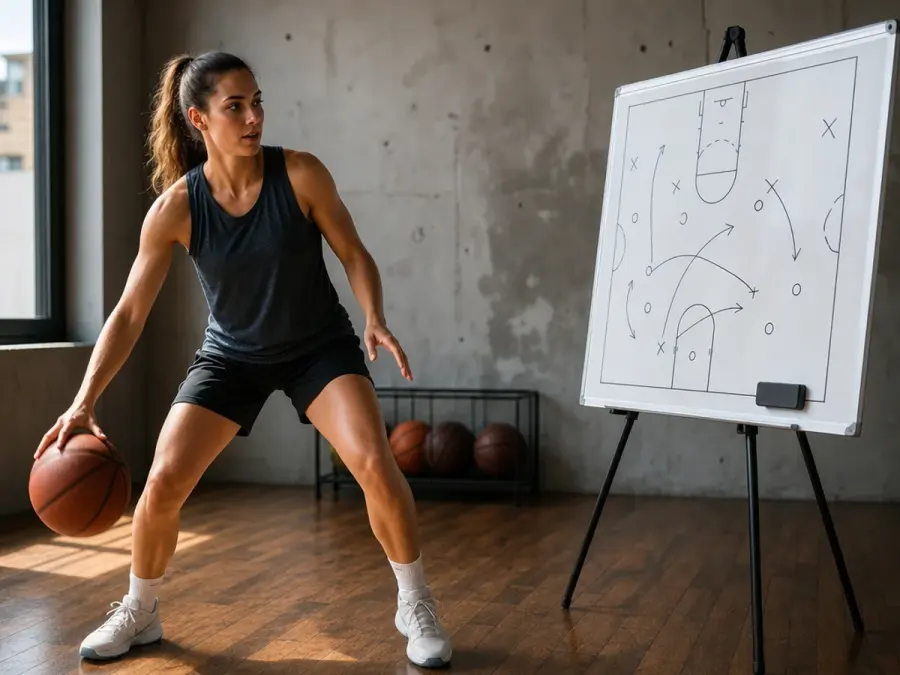
Becky Hammon — Creation Through Craft — Becky Hammon — Creation Through Craft
Hammon built offense through handle, timing, shooting, and inventive passing rather than overwhelming size.
Her later coaching path reinforced the same theme: basketball knowledge can travel across roles and reshape opportunity.
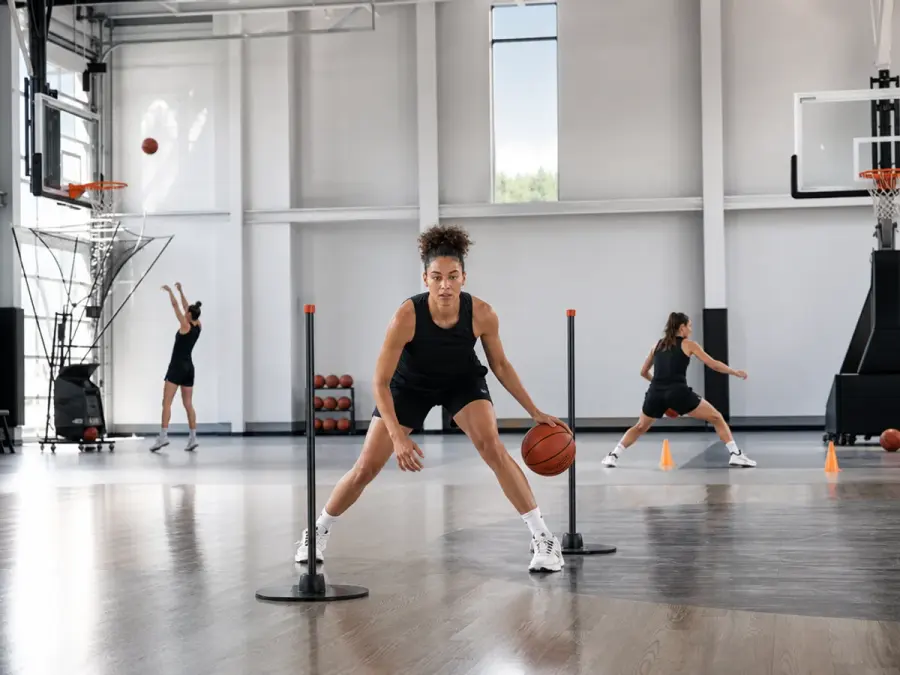
Breanna Stewart — A Modern Two-Way Template — Breanna Stewart — A Modern Two-Way Template
Stewart combines length, shooting, handle, finishing, and switchable defense in a flexible frontcourt role.
Her game illustrates how modern stars can solve several tactical problems without being confined to one position.
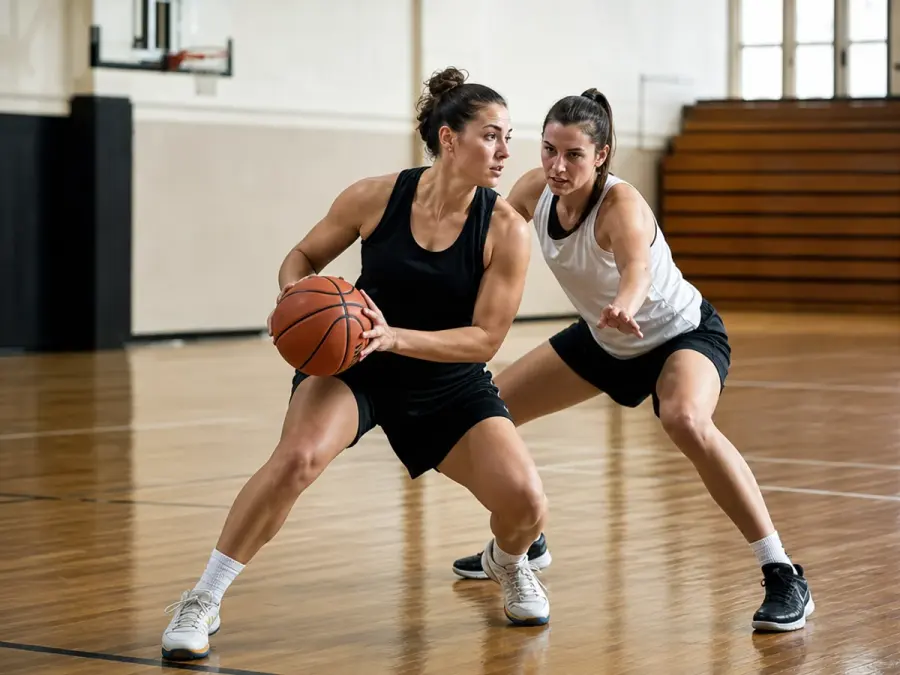
A'ja Wilson — Power Refined by Footwork — A'ja Wilson — Power Refined by Footwork
Wilson's interior force is paired with patient footwork, touch, defensive timing, and an expanding offensive range.
The combination makes physical dominance feel controlled rather than rushed and raises the standard for a franchise centerpiece.
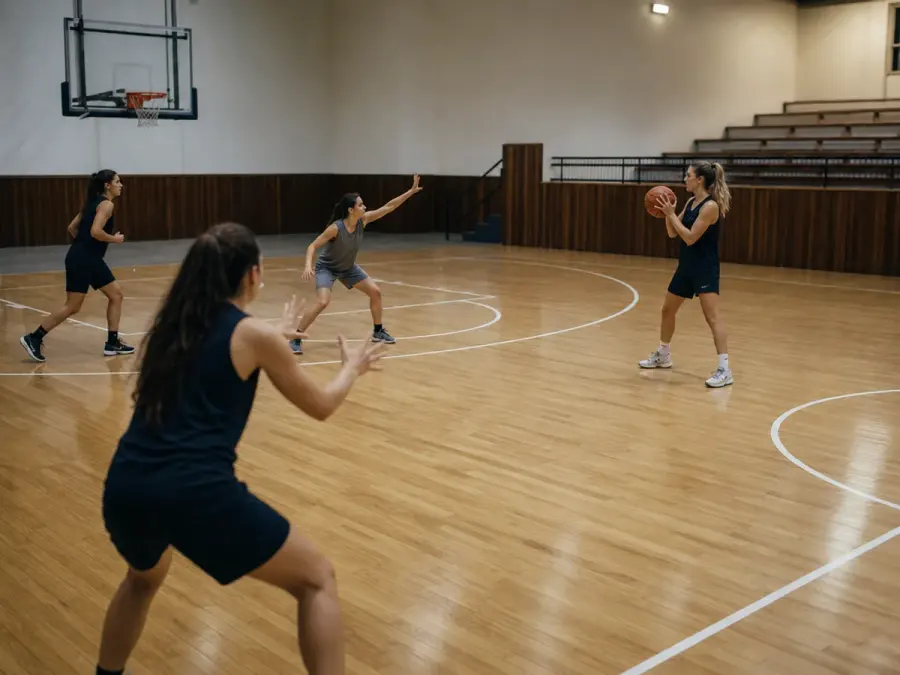
Caitlin Clark — Passing Vision Meets Shooting Gravity — Caitlin Clark — Passing Vision Meets Shooting Gravity
Clark's deep range attracts attention far from the basket, while her passing uses the space that attention creates.
Her early professional impact shows how one skill can amplify another and draw new audiences into tactical details.
Featured galleries







































































































































































































































































































































































































































































